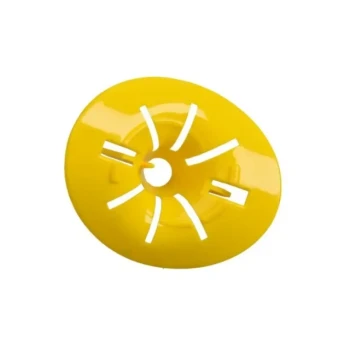
The mechanical principle of a pollen trap relies on a precision-engineered physical barrier installed at the hive entrance which forces returning foragers to navigate through calibrated apertures. As the bee squeezes through these specific hole diameters, the edges of the grid mechanically strip or scrape the pollen pellets from the bee's hind legs, causing the pellets to fall into a collection drawer below.
Core Takeaway: A pollen trap acts as a selective mechanical filter. It is designed with openings large enough for a worker bee to pass through, but small enough to obstruct the pollen loads on their legs, effectively separating the harvest from the insect without causing physical harm.
The Mechanics of Separation
The Calibrated Aperture Grid
The heart of the pollen trap is a plate or grid featuring holes with precise geometric control. These apertures are strictly sized to accommodate the body of a worker bee but not the additional width of the pollen baskets on their legs.
This restriction creates a physical bottleneck. It allows the bee to enter the hive but denies passage to the full payload she is carrying.
The Stripping Action
As the forager pushes through the grid, the edges of the hole act as a scraper. The mechanical friction dislodges the pollen pellets attached to the fine hairs of the bee's hind legs.
Because the pollen is held only by the bee's packing mechanism and sticky nectar, the physical barrier easily knocks these pellets loose. Gravity then takes over, dropping the dislodged pollen into a designated area.
Collection and Purity Preservation
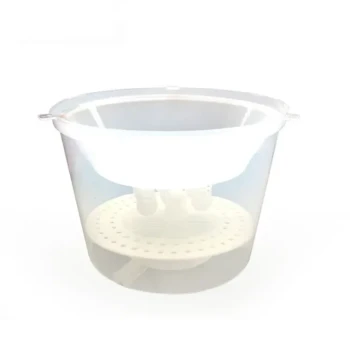
Once separated, the pollen falls into a collection drawer or tray located beneath the grid. Crucially, high-quality traps utilize a secondary fine wire screen positioned directly above this tray.
This secondary screen has a mesh size large enough to let pollen pellets drop through but small enough to prevent bees from entering the drawer to retrieve the pollen. It also filters out larger hive debris, ensuring the final product maintains high purity and is protected from contamination.
Understanding the Trade-offs
Impact on Colony Nutrition
While the mechanical principle is efficient, it creates a nutritional deficit for the colony. The trap indiscriminately removes protein sources that are vital for brood rearing and colony development.
Continuous use of the trap can weaken the hive. It is standard practice to engage the trap only during peak foraging times (e.g., 6:00 AM to 11:00 AM) or on specific days to ensure the bees retain enough pollen for their own survival.
Drone Restriction
The apertures designed to strip pollen from worker bees are often too small for the larger bodies of drones (male bees). A trap left in place permanently can trap drones inside or prevent them from returning.
Most modern traps feature a mechanism to slide the grid out or lift it, creating an open entrance. This allows for unimpeded access for all bees and drones when active harvesting is not taking place.
Making the Right Choice for Your Goal
To effectively utilize this mechanical principle without harming your apiary, consider your specific objective:
- If your primary focus is maximum purity: Select a trap with a bottom-mounted design and a secondary fine mesh screen to separate debris from the pollen pellets immediately.
- If your primary focus is colony sustainability: Implement a rotational schedule, engaging the mechanical barrier only during morning peak hours to allow afternoon foraging to support the hive.
By balancing mechanical efficiency with biological needs, you can harvest commercial-grade pollen while maintaining a thriving colony.
Summary Table:
| Component | Mechanical Function | Key Purpose |
|---|---|---|
| Calibrated Grid | Physical bottleneck/aperture | Forces bees through sized holes to strip pollen |
| Scraping Edges | Mechanical friction | Dislodges pellets from the bee's hind legs |
| Secondary Screen | Gravity-fed filtration | Separates pollen from bees and large hive debris |
| Collection Tray | Storage & Protection | Houses harvested pollen in a clean, isolated area |
Scale Your Bee Pollen Production with HONESTBEE
At HONESTBEE, we specialize in empowering commercial apiaries and distributors with the precision-engineered equipment necessary for high-yield, high-purity harvests. From advanced pollen traps and hive-making machinery to professional honey-filling systems and industry-essential consumables, our comprehensive wholesale portfolio is designed to optimize every stage of your beekeeping operation.
Whether you are looking to source specialized hardware or honey-themed cultural merchandise to expand your brand, we provide the tools and expertise to help your business thrive.
Ready to elevate your apiary's efficiency? Contact us today to explore our full product range and wholesale pricing.
References
- Cristina Bianca Pocol. Methods of Commercialization of Bee Products in the North-West Region of Romania. DOI: 10.15835/buasvmcn-hort:7094
This article is also based on technical information from HonestBee Knowledge Base .
Related Products
- Removable Plastic Pollen Trap With Ventilated Tray for Bees Pollen Collector
- 30 cm Plastic Entrance Hole Bee Pollen Trap and Collector
- Plastic Bee Pollen Trap Strips Comb Catcher Collector
- High-Efficiency Diamond Maze Bee Escape for Clearing Supers
- Professional Bucket Style Wasp and Moth Pheromone Trap
People Also Ask
- What are the design principles and advantages of pollen traps in the collection of bee pollen? Boost Your Apiary Yield
- What is the function of professional pollen traps in evaluating honey plants? Quantifying Pollination and Crop Potential
- What functions do pollen traps serve for bee bread production? Optimize Your Raw Material Collection
- What maintenance and pest prevention measures should be taken for pollen traps? Protect Your Hive and Harvest Quality
- How does the use of pollen traps in honeybee hives enhance crop fertilization? Boost Your Yield Through Induced Activity