Successful installation relies on gradual acclimatization. To introduce a top pollen trap effectively, you must first establish a top entrance at the exact location where the trap will eventually sit. The colony must be allowed to use this new entrance for at least one to two weeks before the physical trap is installed.
Core Takeaway Introducing a pollen trap creates significant mechanical disruption to returning foragers. To minimize stress and maintain hive efficiency, you must separate the change in entrance location from the installation of the trap mechanism by allowing a 7-14 day adaptation period.
The Acclimation Strategy
Establishing the Flight Path
Bees are highly oriented to their specific entrance location. Suddenly blocking a lower entrance and forcing traffic through a complex top mechanism causes confusion and congestion.
By opening the top entrance one to two weeks early, you allow the foragers to re-orient their flight paths. They become accustomed to entering the hive at the top before facing any physical obstruction.
Installing the Hardware
Once the traffic flow is established and smooth at the top entrance, you can introduce the trap itself.
Because the bees are already oriented to this location, the trap becomes a minor obstacle rather than a confusing detour. This staged approach reduces the "traffic jam" effect often seen with abrupt changes.
Understanding the Mechanism
The Stripping Action
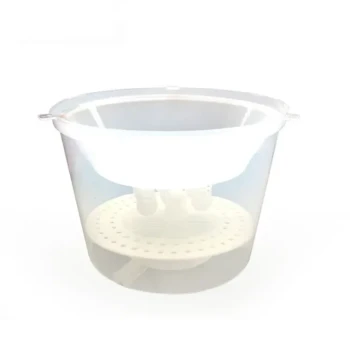
A pollen trap functions by placing a physical barrier between the outside world and the hive interior.
Internal mesh forces foraging bees to squeeze through narrow gaps to enter the colony. This friction gently brushes the pollen pellets off their hind legs, causing them to fall into a collection drawer below.
Purpose of Collection
While often used for harvesting pollen, these traps are also critical scientific tools.
They allow beekeepers to sample field pollen to analyze the colony's nutritional intake. They are also essential for detecting environmental pesticide residues present in the local foraging area.
Operational Trade-offs and Risks
Entrance Congestion and Nectar Loss
You must be aware that pollen traps inevitably slow down the movement of bees entering the hive.
This congestion creates a bottleneck at the entrance. Many experts believe this slows foragers enough to cause a measurable reduction in nectar collection.
Disruption of Colony Rhythm
Even with a proper introduction, the entrance configuration changes can disrupt the colony for several days.
During this period of adjustment, hive productivity may dip. This disruption must be weighed against the value of the pollen or data you intend to collect.
Making the Right Choice for Your Goal
Before installing a trap, define your primary objective to determine the timing and duration of the installation.
- If your primary focus is nutritional or pesticide analysis: Deploy the trap for short, targeted intervals to gather necessary samples without compromising long-term colony health.
- If your primary focus is maximum honey production: Avoid installing traps during peak nectar flows, as the resulting congestion will likely reduce your honey yield.
Plan the introduction well in advance to ensure the colony remains productive despite the intervention.
Summary Table:
| Stage | Action | Duration | Purpose |
|---|---|---|---|
| Phase 1 | Establish Top Entrance | 7 - 14 Days | Re-orient flight paths and reduce forager confusion. |
| Phase 2 | Install Hardware | Permanent/Seasonal | Activate the stripping mechanism once traffic is smooth. |
| Monitoring | Observe Flow | Daily | Ensure the "traffic jam" effect doesn't impede colony health. |
Maximize Your Harvest with HONESTBEE Professional Equipment
Success in commercial beekeeping starts with the right tools and a strategic approach. At HONESTBEE, we empower commercial apiaries and distributors by providing a comprehensive wholesale range of high-quality beekeeping machinery and essential consumables.
Whether you need precision hive-making machines, efficient honey-filling lines, or a full spectrum of specialized hardware and cultural merchandise, we are your dedicated industry partner. Let us help you scale your operations and improve hive productivity with our field-tested solutions.
Ready to elevate your apiary's efficiency? Contact us today to discuss our wholesale offerings and customized equipment packages!
Related Products
- Removable Plastic Pollen Trap With Ventilated Tray for Bees Pollen Collector
- 30 cm Plastic Entrance Hole Bee Pollen Trap and Collector
- Plastic Bee Pollen Trap Strips Comb Catcher Collector
- High-Efficiency Diamond Maze Bee Escape for Clearing Supers
- Professional Bucket Style Wasp and Moth Pheromone Trap
People Also Ask
- What are the design principles and advantages of pollen traps in the collection of bee pollen? Boost Your Apiary Yield
- What is the function of professional pollen traps in evaluating honey plants? Quantifying Pollination and Crop Potential
- What functions do pollen traps serve for bee bread production? Optimize Your Raw Material Collection
- What maintenance and pest prevention measures should be taken for pollen traps? Protect Your Hive and Harvest Quality
- How does the use of pollen traps in honeybee hives enhance crop fertilization? Boost Your Yield Through Induced Activity