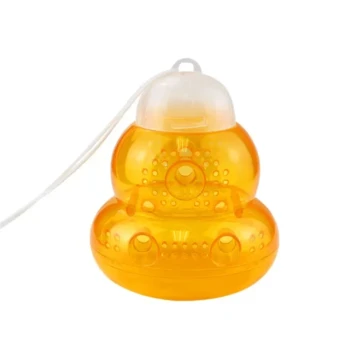
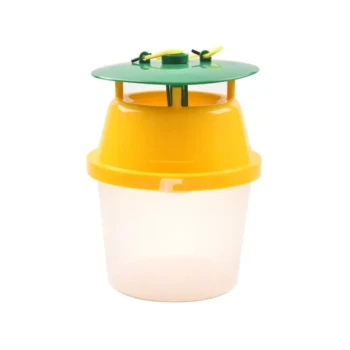
Specialized chemical consumables operate primarily through a controlled, slow-release delivery mechanism. These treatments disperse active ingredients—such as formic acid or thymol—into the hive environment to precisely target parasites like Varroa mites. By maintaining a consistent therapeutic level, they interrupt the parasite's life cycle and block the transmission of pathogens without causing acute harm to the honeybee colony.
The core value of these consumables lies in their ability to act as a bio-security shield. By reducing parasitic load, they prevent the collapse of the colony's immune system, ensuring the preservation of foraging capacity and long-term apiary stability.
The Mechanics of Delivery and Action
Controlled Slow Release
The fundamental mechanism described in professional literature is the slow release of active ingredients. Rather than a sudden shock treatment, these specialized consumables are engineered to emit chemical agents over a sustained period. This ensures that the mite population is exposed to the treatment long enough to be effective, even as mites emerge from brood cells or migrate between bees.
Vapor Diffusion and Volatilization
Certain treatments, particularly plant-derived options like thymol, rely on volatilization. The active ingredients evaporate within the hive, creating an atmosphere that is toxic to the mites but tolerable for the bees. This acts as a fumigant, reaching mites that are physically attached to adult bees.
Deep Penetration of Brood Cells
Advanced chemical mechanisms, such as those found in formic acid treatments, possess the unique ability to penetrate wax cappings. These vapors can permeate the sealed brood cells where Varroa mites reproduce. This mechanism directly targets the mites hiding inside the cells, killing them before they can damage the developing pupae.
The Strategic Role in Colony Health
Blocking Pathogen Vectors
The primary reference highlights that these consumables do more than just kill mites; they block the transmission of pathogens. Parasites like Varroa are vectors for debilitating viruses. By eliminating the vector, the chemical treatment indirectly stabilizes the colony's viral load.
Preserving Foraging Capacity
A colony overwhelmed by parasites suffers from weakened bees with shorter lifespans. By utilizing these specialized consumables to control infection rates, beekeepers prevent the decline in foraging capacity. This ensures the workforce remains robust enough to gather resources for winter survival.
Understanding the Trade-offs
The Precision Paradox
Success depends entirely on dosage precision. As noted in the supplementary data, specialized applicators are often required to ensure uniform diffusion.
- Overdosing risks damaging the colony, killing queens, or contaminating hive products.
- Underdosing fails to control the mites and, worse, accelerates the development of chemical resistance in the parasite population.
Residue Management
While effective, chemical interventions carry the risk of leaving residues in honey. Professional-grade veterinary medicines utilize specific release mechanisms designed to minimize chemical residues. Using non-specialized or "homemade" chemical solutions often bypasses these safety mechanisms, jeopardizing the commercial viability of the honey.
Making the Right Choice for Your Goal
Selecting the correct chemical consumable depends on the specific biological state of your hive and the season.
- If your primary focus is treating sealed brood: Prioritize treatments like formic acid that utilize vapor penetration mechanisms to reach mites inside capped cells.
- If your primary focus is seasonal maintenance (late summer): Utilize thymol-based consumables that leverage volatilization to suppress mite populations before winter.
- If your primary focus is commercial safety: Stick strictly to professional-grade veterinary medicines with standardized release rates to avoid residue and resistance issues.
Ultimately, the scientific application of these specialized consumables is not just a treatment, but a fundamental requirement for securing apiary assets against colony collapse.
Summary Table:
| Mechanism | Active Ingredient Examples | Key Benefit | Target Stage |
|---|---|---|---|
| Controlled Slow Release | Formic Acid, Thymol | Sustained therapeutic levels; interrupts life cycles | Adult bees & emerging mites |
| Vapor Diffusion | Thymol, Essential oils | Fumigant effect; reaches mites on adult bees | Phoretic mites |
| Capping Penetration | Formic Acid | Kills mites inside sealed brood cells | Reproductive mites |
| Pathogen Blocking | Professional Vets | Stabilizes viral load; prevents secondary infections | Colony immune system |
Secure Your Commercial Apiary with HONESTBEE Professional Solutions
Protecting your colony’s health requires more than just treatment—it requires precision. At HONESTBEE, we empower commercial apiaries and distributors with a comprehensive wholesale range of specialized beekeeping tools and industry consumables. From advanced honey-filling and hive-making machinery to professional-grade treatments and honey-themed merchandise, we provide the full spectrum of equipment needed to scale your operations and ensure long-term stability.
Maximize your foraging capacity and safeguard your honey quality today.
Contact our experts for wholesale inquiries and tailored equipment solutions
References
- Pandey Asmita, Paudel Santosh. ASSESSMENT OF THE EXISTING STATUS OF THE BEEKEEPING SUB-SECTOR IN THE DANG DISTRICT, NEPAL. DOI: 10.18551/rjoas.2023-09.11
This article is also based on technical information from HonestBee Knowledge Base .
Related Products
- Compact Circular Bee Mite Treatment Dispenser
- Durable 12V Oxalic Acid Vaporizer for Varroa Mite Treatment Beehive Beekeeping Tool
- Oxalic Acid Vaporizer 12V for Bee Varroa Mite Treatment
- Heavy Duty 12V Oxalic Acid Evaporator Vaporizer for Bee Varroa Mite Treatment Beekeeping Fumigator Atomizer
- Varroa Easy Check Mite Tester Kit Counter Alcohol Wash Jar
People Also Ask
- What is the function of specialized prevention consumables? Protect Hives from Varroa Mites & European Foulbrood
- What is the function of specialized application devices for Varroa? Precision Control for Healthier Bee Colonies
- What technical factors influence chemical Varroa treatments? Optimize Your Hive Health with Precise Timing
- How do different application forms of oxalic acid or formic acid affect Varroa mite treatments? Maximize Your Hive Efficacy
- Why does organic beekeeping emphasize non-synthetic chemical treatments? Protect Your Hive Purity & Prevent Resistance