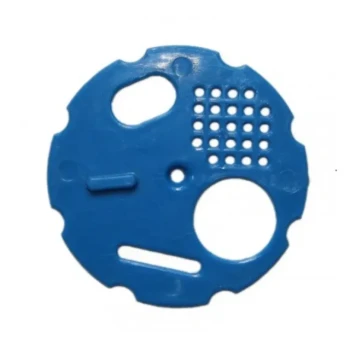
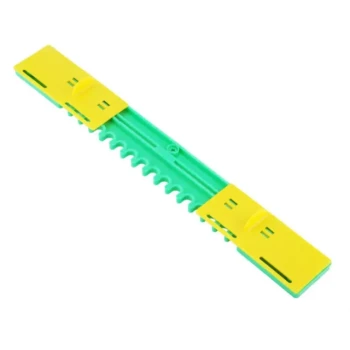
Reducing the hive entrance size is a fundamental hardware adjustment for colony survival. By physically narrowing the access point, you create a tactical bottleneck that significantly increases the difficulty for external predators to invade. This simple modification allows a smaller number of guard bees to defend the hive more effectively, ensuring the safety of internal resources and the colony’s future.
By narrowing the point of entry, you transform a sprawling defensive line into a manageable choke point, protecting critical assets like the queen and food stores while minimizing the loss of worker bees during attacks.
The Mechanics of Defensive Advantage
Creating a Physical Choke Point
Large entrances expose the colony to attacks on a wide front. Reducing the entrance area forces predators to approach through a confined space.
This physical restriction limits the number of attackers that can enter simultaneously. It turns a potential flood of invaders into a manageable stream that the colony can handle.
Concentrating Guard Force Efficiency
When the entrance is wide, guard bees must spread out to cover the entire perimeter. A reduced entrance allows the colony to concentrate its defensive forces.
Guard bees can focus their biting and stinging efforts on a specific point. This leads to a more coordinated and effective defense against aggressive predators, such as Oriental hornets.
Minimizing Worker Bee Loss
Defending a large open area requires a massive sacrifice of the workforce. By optimizing the battlefield, fewer worker bees are lost in the struggle to repel invaders.
This preservation of the workforce is essential for maintaining the colony's foraging and brood-rearing capabilities during high-stress periods.
Protection of Critical Assets
Safeguarding the Queen and Brood
The primary biological imperative of the hive is to protect the queen and the developing larvae. A breached entrance puts these internal assets at immediate risk.
By making invasion difficult, the reduced entrance acts as a firewall, keeping the most vulnerable members of the colony safe from predation.
Securing Food Stores
Honey and pollen reserves are prime targets for external enemies.
Restricting access prevents predators from bypassing the guards and pillaging the food stores required for the colony's winter survival.
Understanding the Trade-offs
Distinguishing Entrance Size from Internal Volume
It is crucial to differentiate between a tight entrance and a crowded hive.
While a small entrance aids defense, the internal space of the hive must still be sufficient for the population.
Risks of Internal Overcrowding
According to supplementary data, an overcrowded or packed hive body can lead to significant stress for honey bees.
This stress can result in increased disease transmission and lower honey yields. Therefore, defensive adjustments to the entrance should not be confused with neglecting internal space management.
Managing Population Density
Beekeepers must regularly assess if the colony has outgrown its environment.
If the interior becomes too packed, you should consider adding brood boxes or splitting the hive to relieve pressure, even while keeping the entrance reduced for security.
Making the Right Choice for Your Colony
To ensure colony health, you must balance external security with internal capacity.
- If your primary focus is Defense: Reduce the entrance size immediately to thwart predators like hornets and allow guard bees to protect the queen and food stores effectively.
- If your primary focus is Colony Health: Monitor the internal population density regularly to prevent overcrowding stress, adding space or splitting the hive as necessary.
A secure entrance combined with adequate internal living space creates the optimal environment for a resilient, thriving colony.
Summary Table:
| Defensive Factor | Benefit of Reduced Entrance | Impact on Colony Survival |
|---|---|---|
| Entry Point | Creates a physical choke point | Limits number of invaders entering at once |
| Guard Efficiency | Concentrates defensive forces | Fewer guard bees required for effective patrol |
| Resource Safety | Secures honey and pollen stores | Prevents pillaging and resource loss |
| Workforce Loss | Minimizes worker bee casualties | Maintains foraging and brood-rearing capacity |
| Queen Protection | Acts as a secure firewall | Ensures the safety of the colony's reproductive core |
Secure Your Apiary Success with HONESTBEE
Protecting your colonies starts with the right equipment. HONESTBEE provides commercial apiaries and distributors with premium, field-tested beekeeping tools and machinery designed for maximum efficiency. Whether you need specialized hive-making equipment, honey-filling machines, or a full range of industrial consumables, we deliver the hardware you need to thrive.
Ready to scale your beekeeping operations or restock your distribution inventory? Contact us today to discover how our wholesale solutions and industry expertise can grow your business!
References
- Mohamed Abdel-Rahman, Adhem Moustafa. An estimate of honeybee colony losses and their perceived reasons during two years in Qena and Luxor Governorates, Upper Egypt.. DOI: 10.21608/ajas.2012.266714
This article is also based on technical information from HonestBee Knowledge Base .
Related Products
- Steel Round Disc Entrance Reducer for Flexzion Bee Hive Nuc Box Gate
- Beehive Entrance Reducer Guardian Metal Hive Entrance for Bees
- Professional Hive Front Entrance Bee Feeder
- Multi-Functional Rotary Hive Entrance Disc for Beekeeping
- HONESTBEE Entrance Bee Feeder Efficient Hive Front Liquid Feeding Solution for Beekeeping
People Also Ask
- What is the purpose of an entrance reducer for a beehive? Strengthen Colony Defense and Prevent Robbery
- Why are entrance reducers used to counter hornet infestations? Protect Your Hive with Strategic Choke Points
- Why is it critical to maintain a smaller entrance for a newly established bee hive? Boost Colony Growth and Security
- Under what conditions should a beekeeper adjust the size of a beehive entrance? Seasonal & Defense Management Tips
- What is the function of an entrance reducer on a beehive? Strengthen Colony Defense and Climate Control