Specialized beekeeping tools and protective consumables are the fundamental safeguards that transform a high-risk agricultural activity into a controlled, therapeutic intervention. These tools mitigate physical risks for vulnerable populations, reduce the psychological barriers of fear, and ensure that the focus remains on sensory recovery and psychological adjustment rather than injury prevention.
In the context of therapeutic beekeeping, specialized equipment acts as the essential bridge between clinical goals and field execution. By prioritizing ergonomic design and reliable protection, organizations can provide a safe, repeatable environment that fosters occupational therapy success and long-term participant engagement.
Ensuring Participant Safety and Risk Mitigation
The Role of Personal Protective Consumables
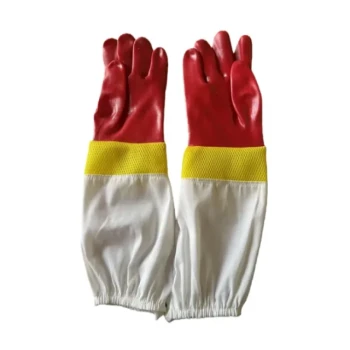
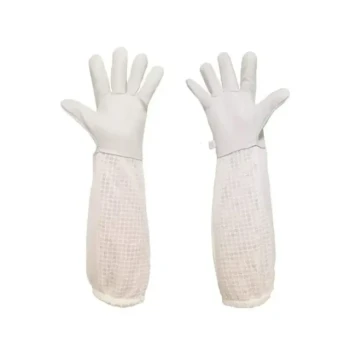
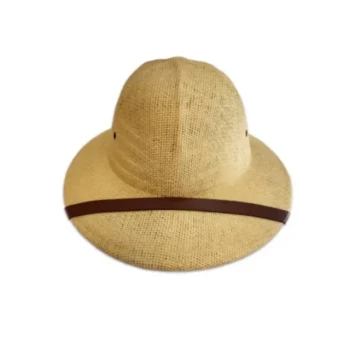
Professional-grade bee suits, veils, and gloves are non-negotiable for therapeutic settings where participants may have heightened sensitivity or limited mobility. These consumables provide a physical barrier that prevents stings, which is critical for maintaining the "safe space" required for psychological healing. For a distributor, providing a full-spectrum portfolio of sizes and materials ensures that therapy centers can accommodate diverse participant needs.
Calming the Colony with Specialized Smokers
The bee smoker is a vital tool for masking alarm pheromones and reducing colony aggression during inspections. In a therapeutic environment, keeping the bees calm is essential for preventing participant panic and ensuring the session remains focused on the planned activity. High-quality smokers allow for precise smoke delivery, making the environment controllable and predictable for both the facilitator and the patient.
Enhancing Accessibility Through Ergonomic Design
Reducing Physical Strain with Hive Tools
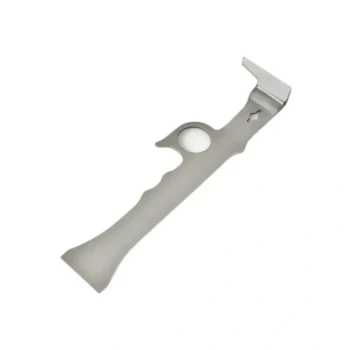
Standard hive tools are often heavy or difficult to grip, but specialized ergonomic variants are designed to reduce the physical exertion required to pry frames. This is particularly important for participants in occupational therapy who may be working on fine motor skills or recovering from physical injuries. Providing tools that minimize strain allows these individuals to participate in authentic beekeeping operations without over-extending their physical capabilities.
Facilitating Sensory and Psychological Recovery
The use of specialized equipment reduces the "noise" of fear and physical discomfort, allowing participants to focus on the sensory experience of beekeeping. Tools that are easy to handle empower users, building their confidence as they successfully manage a living colony. This sense of accomplishment is a primary driver of the psychological adjustment and emotional regulation benefits associated with therapeutic apiaries.
Operational Standards and Hygiene Compliance
The Necessity of Specialized Detergents
Maintaining a therapeutic apiary requires strict adherence to hygiene to prevent the spread of bee diseases and ensure participant safety. Specialized beekeeping detergents and disinfectants are essential for the regular cleaning of hives and tools to meet international health standards. A one-stop sourcing approach for these consumables ensures that therapy programs can maintain a sterile environment without managing multiple complex supply chains.
Precision Tools for Data and Observation
Specialized accessories, such as queen markers or acoustic sampling tools, allow for close-range colony inspections without causing undue stress to the bees. These tools enable technicians and participants to observe natural behaviors and collect data objectively. High-precision equipment ensures that the technical advantages of modern beekeeping are integrated into the therapeutic curriculum effectively.
Understanding the Trade-offs
Protection versus Dexterity
While heavy-duty protective gear offers maximum safety, it can sometimes limit the tactile feedback and dexterity required for delicate tasks. Distributors must balance their inventory to include "ventilated" or "ultra-light" options that provide safety without sacrificing the participant's ability to feel the tools.
Cost of Specialized Equipment
Specialized ergonomic tools often carry a higher price point than generic agricultural alternatives. However, the long-term reliability and reduced risk of injury justify the investment for therapeutic institutions where safety is the primary metric of success. Using sub-standard equipment in a clinical setting can lead to increased liability and poor participant outcomes.
Strategic Selection for Your Distribution Portfolio
How to Apply This to Your Inventory Strategy
Selecting the right mix of tools and consumables requires an understanding of the specific goals of the end-user, whether they are focused on clinical therapy or commercial production.
- If your primary focus is supporting clinical therapy centers: Prioritize ergonomic hand tools and high-visibility, maximum-protection PPE to ensure participant safety and comfort.
- If your primary focus is supply chain efficiency for large organizations: Offer a comprehensive product portfolio with ultra-fast delivery to minimize downtime and ensure constant availability of essential consumables.
- If your primary focus is professional-grade reliability: Focus on specialized smokers and hive tools that have a proven track record of durability and precise operation in high-frequency environments.
By providing a curated selection of specialized tools, you empower therapy providers to focus on their core mission of healing through the unique medium of beekeeping.
Summary Table:
| Tool Category | Key Therapeutic Function | Strategic Benefit for Providers |
|---|---|---|
| Protective PPE | Minimizes sting risk & anxiety | Increases participant confidence and retention |
| Ergonomic Tools | Reduces physical strain & fatigue | Enhances accessibility for diverse mobility levels |
| Quality Smokers | Calms colony & masks pheromones | Creates a predictable and safe environment |
| Hygiene Supplies | Ensures sterile apiary conditions | Maintains compliance with clinical health standards |
| Precision Tools | Facilitates detailed observation | Supports sensory recovery and data collection |
Elevate Your Distribution Portfolio with HONESTBEE
As therapeutic beekeeping gains global momentum, ensure your inventory meets the highest standards of safety and ergonomics. HONESTBEE empowers distributors and B2B resellers with a one-stop sourcing solution for the full spectrum of beekeeping tools, machinery, and essential consumables.
Why Partner with HONESTBEE?
- Comprehensive Portfolio: From specialized hive-making machinery to premium protective gear and honey-themed merchandise.
- Rapid Fulfillment: Benefit from ultra-fast delivery and efficient order processing to keep your supply chain seamless.
- Expert Support: Leverage our deep industry expertise and dedicated customer service to grow your profit margins.
Ready to supply the next generation of therapeutic apiaries? Contact us today to explore our wholesale offerings!
References
- Manuela Dora Orboi, Ana-Mariana Dincu. SOCIAL AGRICULTURE – OPPORTUNITIES AND PERSPECTIVES FOR A SUSTAINABLE FUTURE. DOI: 10.59463/rjas.2025.2.15
This article is also based on technical information from HonestBee Knowledge Base .
Related Products
- Premium Cowboy Beekeeper Hat with Visibility Veil Outdoor Professional Beekeeping Protective Gear
- Beekeeper Cowboy Hat and Veil for Beekeeping
- White Cotton Beekeeping Jacket and Veil for Bee Keepers
- Beekeeping Gloves Goatskin Leather with Long Cotton Sleeve for Beekeepers
- Premium Cotton Beekeeper Suit with Reinforced Fencing Veil
People Also Ask
- What design features contribute to the stability and fit of the beekeeper hat? Key Features for Maximum Hive Safety
- How is the beekeeper hat designed for comfort and practicality? Explore Key Features for Enhanced Apiary Safety
- What is the general protective gear recommendation for new beekeepers? Your Essential Beginner's Safety Guide
- How does beekeeping protective gear facilitate the queen bee selection process? Enhancing Precision in Queen Breeding
- What should beekeepers consider when choosing protective gear? A Guide for Maximum Safety & Comfort