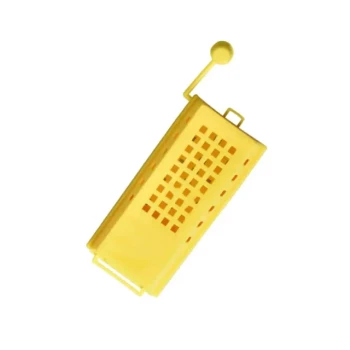
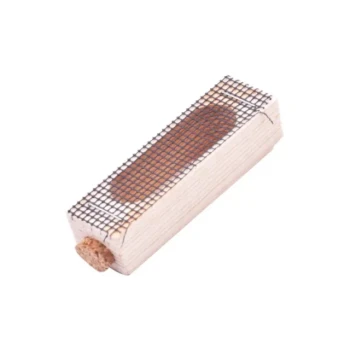
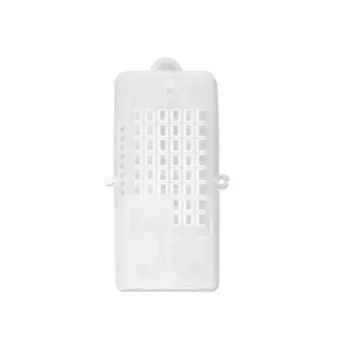
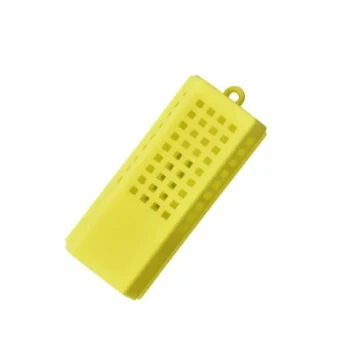
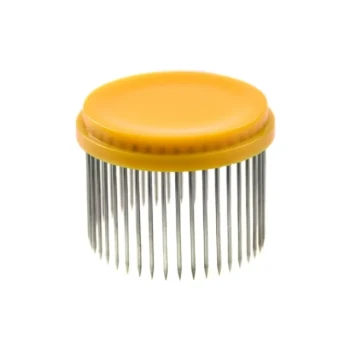
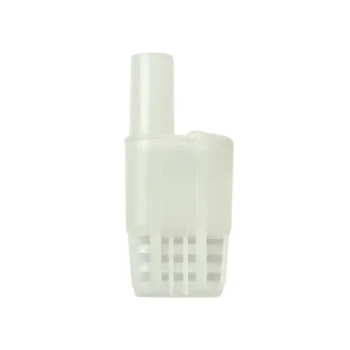
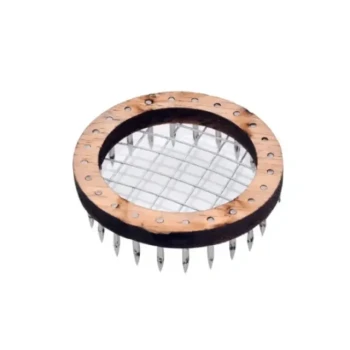
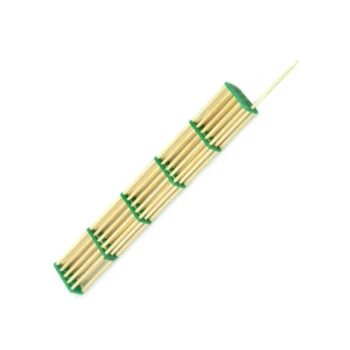
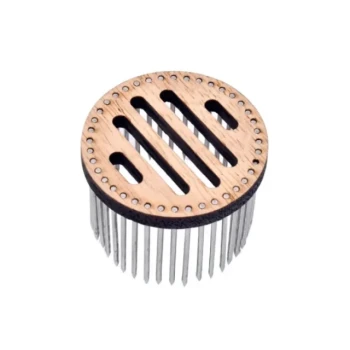
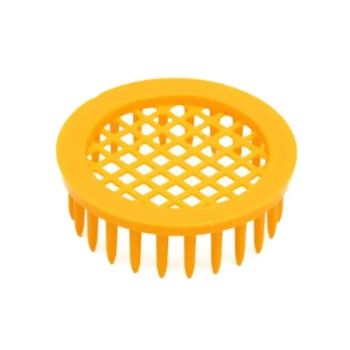
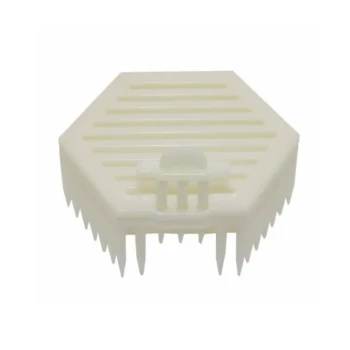
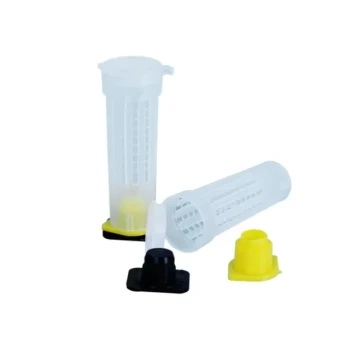
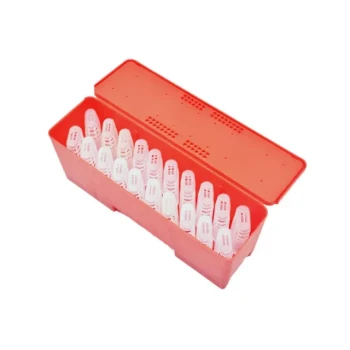
The necessity of a Queen Cage lies in its ability to enforce precise synchronization. By restricting the queen to specific drone frames for a strictly limited window, typically 24 hours, you ensure that all eggs on that frame are laid at nearly the same time. This creates a uniform development cycle, allowing for the removal of the frame at the exact moment required to trap Varroa mites without risking their release.
The Queen Cage transforms drone brood management from a guessing game into a controlled procedure. It aligns the biological clock of the colony's drone production, ensuring that every cell on the frame reaches the critical removal stage simultaneously.
The Mechanics of Synchronization
Creating a Controlled Time Window
The primary function of the Queen Cage in this context is to limit the queen's access to the drone frame to a short, synchronized period.
Most protocols recommend a 24-hour confinement window.
This ensures that the age of every egg on that frame is identical within a single day, eliminating staggered development.
Enabling Precise Removal Schedules
Because the eggs are laid synchronously, the larvae will develop and be capped at the same time.
This allows the beekeeper to schedule the removal and destruction of the frame on a definitive date, typically the 20th day after egg-laying.
Without this synchronization, you would be unable to predict exactly when the drones—and the mites trapped with them—would emerge.
Maximizing Varroa Mite Capture
Targeting the Capped Stage
Varroa mites invade brood cells just before they are capped to reproduce.
The Queen Cage ensures that the entire frame enters this capped stage simultaneously.
This uniformity maximizes the number of reproducing mites trapped inside the cells at the moment of removal.
Preventing Re-infestation
The ultimate goal of drone cell trapping is to remove mites before they can exit the cells.
If the queen is not caged and lays eggs over several days, the drones will emerge at different times.
Early-emerging drones would release their mites back into the colony before you remove the frame, defeating the purpose of the technique.
Risks of Improper Management (Trade-offs)
The Consequence of Timing Errors
While the Queen Cage provides control, it requires strict adherence to the schedule.
Leaving the queen in the cage too long defeats the synchronization purpose and stresses the colony.
The Danger of Missed Removal
The synchronized frame becomes a concentrated "mite bomb" if not removed on time.
Because all drones are set to emerge simultaneously, missing the Day 20 removal deadline could result in a massive, simultaneous release of mites back into the hive.
Making the Right Choice for Your Goal
To effectively implement drone cell trapping, you must prioritize the calendar as much as the equipment.
- If your primary focus is Maximum Mite Removal: strictly adhere to the 24-hour confinement to ensure every cell on the frame is capped and ready for removal on Day 20.
- If your primary focus is Colony Safety: set a strict reminder system to ensure the frame is removed before emergence; a synchronized release of mites is worse than a staggering one.
The Queen Cage is not merely a containment tool; it is the timing mechanism that makes drone cell trapping a viable sanitary strategy.
Summary Table:
| Feature | Purpose in Drone Trapping | Impact on Varroa Control |
|---|---|---|
| Confinement Window | Restricts queen to 24 hours per frame | Ensures all eggs are the same age |
| Development Cycle | Aligns larval capping times | Allows simultaneous trapping of mites |
| Removal Deadline | Scheduled removal on Day 20 | Prevents mite emergence and re-infestation |
| Risk Mitigation | Eliminates staggered emergence | Prevents the frame from becoming a 'mite bomb' |
Elevate Your Apiary Management with HONESTBEE
Precise queen management is the cornerstone of a healthy, productive apiary. At HONESTBEE, we understand the technical demands of commercial beekeeping. We provide a comprehensive range of professional-grade beekeeping tools, machinery, and equipment designed to streamline your operations—from high-precision queen cages and hive-making hardware to advanced honey-filling machines.
Whether you are a large-scale commercial apiary or a global distributor, our wholesale solutions and essential industry consumables are tailored to help you scale efficiently. Contact us today to discover how our premium equipment and industry expertise can enhance your production and protect your colonies.
References
- Mustafa Güneşdoğdu, Brian Tainika. Effect of Using Drone Brood Cells as Traps Against Varroa destructor (Varroa Mite). DOI: 10.24925/turjaf.v9i6.1226-1231.4374
This article is also based on technical information from HonestBee Knowledge Base .
Related Products
- Durable Galvanized Steel Spring Queen Bee Cage
- Professional Queen Cage with Sliding Gate and Feeder Plug
- Classic Wooden and Mesh California Queen Cage
- Professional Queen Bee Introduction and Transport Cage
- Professional Multi-Functional Queen Bee Cage
People Also Ask
- Why are specialized queen bee cages used for the banking of mated queen bees? Maximize Commercial Apiary Storage Efficiency
- What is the mechanism of action for using temporary queen bee cages? Master Successful Queen Introduction
- What is the step-by-step process for installing a queen bee's cage onto a frame? Ensure Hive Acceptance Safely
- What is the optimal placement for a queen bee cage? Essential Strategies for Successful Re-queening
- What are the advantages and disadvantages of introducing a queen bee by embedding the cage? Boost Your Queen Acceptance