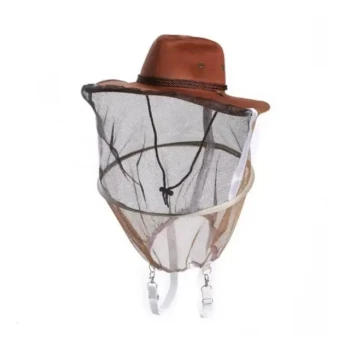
Utilizing specialized pest protection is a necessity, not an option. For apiaries threatened by invasive predators like the Asian hornet (Vespa velutina), generic defenses are rarely sufficient. Specialized consumables, specifically high-density traps and protective nets, act as essential physical barriers that are required to significantly reduce bee mortality and prevent the critical interruption of foraging activities.
Invasive predators pose a direct threat to both the biological survival of the colony and the economic viability of the apiary. Implementing specialized protective measures is vital to protect these assets and ensure stable honey production in the face of external threats.
The Strategic Role of Physical Barriers
Reducing Bee Mortality
The primary function of specialized tools is the immediate preservation of the workforce. High-density traps serve as a frontline defense, capturing predators before they can decimate the hive's population. By lowering the density of predators like the Asian hornet, you directly reduce the rate of bee mortality.
Maintaining Foraging Continuity
Predators do not just kill bees; they create a siege environment that stops bees from working. When predators loiter near the hive, the colony often ceases foraging due to stress. Protective nets create a safe buffer zone, ensuring that foraging activities continue uninterrupted despite the presence of threats outside the perimeter.
Economic and Biological Implications
Protecting Biological Assets
Your bees are your most valuable biological asset. Without physical protection, an invasive species can deplete a colony to the point of collapse. Specialized protection ensures the biological integrity of the apiary is maintained, preventing the loss of the genetic and physical capital within the hives.
Ensuring Production Stability
Honey production is directly tied to the colony's ability to forage consistently. Any interruption in foraging translates to a loss in yield. By mitigating the threat through traps and nets, you stabilize honey production, ensuring that external environmental pressures do not destroy the season's output.
Understanding the Trade-offs
Investment vs. Risk
Implementing specialized consumables requires an upfront investment in equipment and maintenance. However, this cost must be weighed against the potential total loss of the apiary. Relying on passive or natural defenses against aggressive species like Vespa velutina often results in higher long-term costs due to colony replacement and lost production.
Operational Complexity
Using these tools adds a layer of management to the apiary workflow. Traps must be monitored and consumables replaced to remain effective. This moves the operational model from simple hive management to active defensive management, requiring time and attention to detail.
Securing Your Apiary Against Invasive Threats
To effectively counter the threat of the Asian hornet, you must match your tools to your specific objectives.
- If your primary focus is immediate colony survival: Deploy protective nets to create an instant physical barrier that prevents predation at the hive entrance and keeps the workforce active.
- If your primary focus is long-term production stability: Utilize high-density traps to systematically reduce the local predator population, thereby lowering the overall pressure on your foraging bees.
Proactive defense using specialized barriers is the only reliable method to secure your biological assets against aggressive invasive predators.
Summary Table:
| Protection Method | Primary Function | Impact on Apiary | Maintenance Level |
|---|---|---|---|
| High-Density Traps | Predator population reduction | Lowers long-term predator pressure | High (Regular monitoring) |
| Protective Nets | Physical barrier at entrance | Maintains foraging & immediate survival | Medium (Seasonal setup) |
| Passive Defenses | Natural camouflage/habitat | Often insufficient for invasive species | Low (Minimal effort) |
Protect Your Biological Assets with HONESTBEE Professional Solutions
Invasive predators like the Asian hornet can devastate your honey production and colony health in a single season. HONESTBEE provides commercial apiaries and distributors with the high-performance tools needed to defend your investment.
Our comprehensive wholesale range includes:
- High-density traps and protective netting for immediate hive defense.
- Industrial beekeeping machinery for efficient hive-making and honey-filling.
- Specialized consumables designed to withstand the demands of professional beekeeping.
Don't wait for the next attack to secure your apiary. Contact HONESTBEE today to access premium beekeeping equipment and protect your production stability.
References
- María Amparo Ferreira-Golpe, Ibán Vázquez González. Impacto socioeconómico de la actividad apícola y características productivas del sector en la provincia de A Coruña. DOI: 10.12706/itea.2020.031
This article is also based on technical information from HonestBee Knowledge Base .
Related Products
- Compact Multi-Funnel Hanging Wasp Trap
- Professional Multi-Component Bucket Wasp Trap
- Professional Bucket Style Wasp and Moth Pheromone Trap
- Reusable Aluminium Beetle Trap for Small Hive Beetles Silver Bullet
- Premium Cowboy Beekeeper Hat with Visibility Veil Outdoor Professional Beekeeping Protective Gear
People Also Ask
- What are the practical advantages of using professional wasp traps and protective equipment in apiary management? Scale Up
- Why replace sugar syrup bait in wasp traps every three days? Ensure Maximum Attraction and Catch Rates
- What is the importance of deploying hornet traps around an apiary for maintaining colony stability? Protect Your Yields.
- What are the advantages of placing hornet traps on the tops of beehives? Maximize Hive Defense Against Predators
- What trapping methods and equipment setups protect commercial apiaries against seasonal hornet predation?