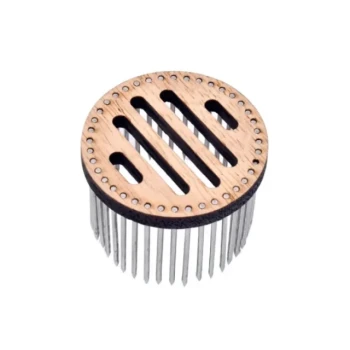
Labyrinth mating boxes operate on the principle of temporal isolation. Rather than relying on physical distance to prevent cross-breeding, these devices use a complex arrangement of light-shielding channels and specialized queen excluders to strictly control when bees exit the hive. By mechanically restricting flight activity until specific non-natural hours—typically late afternoon—breeders can force virgin queens and selected drones to mate during a window when wild, unselected drones are no longer active.
The core innovation of the labyrinth box is replacing geographical isolation with temporal manipulation. By shifting mating flights to off-peak hours, breeders can achieve high-level genetic purity in standard locations without requiring remote sanctuaries.
The Mechanics of Control
The labyrinth box is not merely a container; it is a mechanism designed to override the natural circadian rhythms of the colony regarding flight schedules.
The Light-Shielding "Labyrinth"
The primary mechanism is a physical structure that blocks direct light from entering the hive while allowing ventilation.
Bees are naturally phototactic regarding flight; they require light cues to initiate foraging or mating flights.
By obscuring these cues through a winding "labyrinth" passage, the box keeps the colony in a resting state even during peak daylight hours.
The Role of Queen Excluders
Integrated into the system are specialized excluders.
These physical barriers are calibrated to manage the movement of the colony's castes.
They prevent the virgin queen from leaving the hive prematurely or accidentally, ensuring she remains contained until the breeder deliberately opens the system.
Temporal Isolation Strategy
The ultimate goal of the physical mechanism is to facilitate temporal isolation. This solves the deep need of the breeder: ensuring the queen mates only with the desired genetics.
Shifting the Flight Window
In a natural setting, drone congregation and mating flights occur during the warmest, brightest parts of the day.
The labyrinth box allows the breeder to keep the hive closed during this high-activity window.
Avoiding Wild Drones
The system is manually or automatically opened in the late afternoon.
At this time, wild, unselected drones from the surrounding environment have typically ceased flight activity.
When the breeder releases their selected drones and virgin queens simultaneously, they are the only bees in the air, guaranteeing controlled mating.
Operational Considerations and Trade-offs
While labyrinth boxes solve geographical challenges, they introduce specific operational dynamics that must be managed.
Reduced Geographical Constraints
The primary advantage is the elimination of the need for "mating stations" located on islands or in isolated mountain valleys.
Breeders can conduct pure breeding programs in areas with other bee populations, provided the timing is strictly managed.
Management Intensity
This system trades geographical effort for management effort.
Unlike open mating where nature takes its course, this method requires precise monitoring of time and weather conditions to ensure the release happens exactly when wild activity drops.
Efficiency and Throughput
As these systems are often adapted to small-scale mating nucleus hives, they allow for high-density placement.
This enables breeders to manage and monitor the nuptial flights of multiple queens in a compact area, significantly increasing the throughput of the selection process.
Implementing Labyrinth Systems in Breeding Programs
Deciding to use a labyrinth system depends on your specific constraints regarding land access and labor availability.
- If your primary focus is Genetic Purity in Populated Areas: Utilize labyrinth boxes to create a "time barrier" against unwanted genetics, allowing you to breed pure lines even if neighbors have different strains.
- If your primary focus is Operational Scalability: Leverage the compact nature of these nucleus-style hives to test the performance of many queens simultaneously without needing vast tracts of isolated land.
The labyrinth mating box transforms controlled breeding from a logistical problem of distance into a precise discipline of timing.
Summary Table:
| Feature | Mechanism | Benefit for Breeders |
|---|---|---|
| Light-Shielding | Winding labyrinth passages block cues | Prevents premature flights during peak wild drone activity |
| Queen Excluders | Calibrated physical barriers | Prevents accidental loss of virgin queens and controls drone exit |
| Temporal Isolation | Shifted flight window (Late afternoon) | Ensures mating only occurs with selected genetics in the air |
| Space Efficiency | Compact nucleus hive design | Allows high-density breeding programs in populated areas |
Elevate Your Breeding Precision with HONESTBEE
Achieving genetic purity shouldn't require an isolated island. At HONESTBEE, we empower commercial apiaries and distributors with the professional-grade tools needed for advanced apiculture. From labyrinth mating systems and hive-making machinery to high-capacity honey-filling equipment, our comprehensive wholesale portfolio is designed to scale your operations.
Whether you are expanding a breeding program or sourcing essential industry consumables, our expertise ensures you have the specialized hardware to succeed. Contact us today to discover how our tailored equipment solutions can streamline your production and secure your genetic lines.
References
- Ralph Büchler, J. Wilde. Standard methods for rearing and selection of <i>Apis mellifera</i> queens 2.0. DOI: 10.1080/00218839.2023.2295180
This article is also based on technical information from HonestBee Knowledge Base .
Related Products
- Styrofoam Mini Mating Nuc Box with Frames Feeder Styrofoam Bee Hives 3 Frame Nuc Box
- Portable Bee Mating Hive Boxes Mini Mating Nucs 8 Frames for Queen Rearing
- Automatic Heat Preservation 6 Frame Pro Nuc Box for Honey Bee Queen Mating
- Twin Queen Styrofoam Honey Bee Nucs Mating and Breeding Box
- Langstroth Honey Bee Box Hive Boxes for Different Depths
People Also Ask
- How are nuc boxes used in queen rearing? The Essential Tool for Reliable Queen Mating
- What is the primary advantage of mini mating nucs? Maximize Queen Production with Minimal Bee Resources
- How should a beekeeper relocate a new colony in a nuc box? Master the 5-5 Rule for Success
- What are the common sizes and material types of nuc boxes? Choose the Best Housing for Your Colonies
- Why are empty nuc boxes or spare hives used for Small Hive Beetle inspections? Improve Your Pest Detection Accuracy