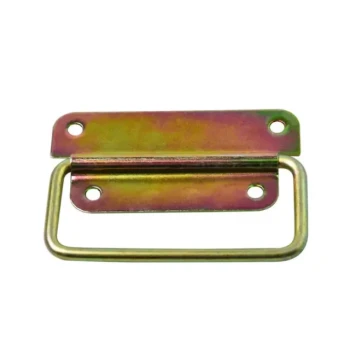
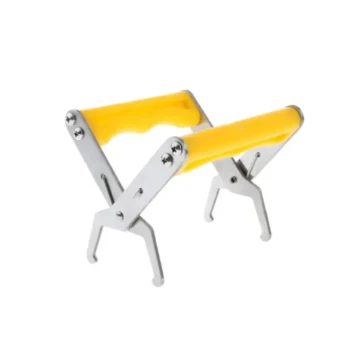
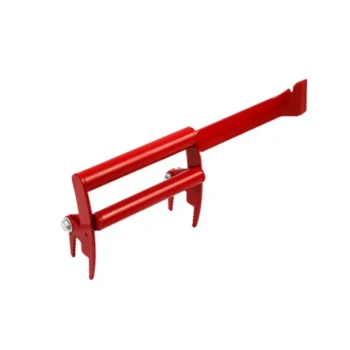
The operational necessity of a removable hive lid with a handle lies in its ability to decouple hive access from hive positioning. Installed on the rear of the unit—opposite the flying hole—this component allows personnel to perform daily inspections and honeycomb harvesting without physically moving the main hive structure. In large-scale operations, this design feature transforms hive management from a labor-intensive lifting task into a rapid, streamlined process.
Core Insight Industrial beekeeping relies on volume, meaning any friction in routine maintenance creates a massive cumulative inefficiency. The removable, handled lid solves this by permitting "rear-entry" access, ensuring that inspection speed is limited only by the operator's skill, not the physical burden of shifting heavy hive boxes.
The Mechanics of Efficient Access
Rear-Entry Accessibility
The lid is strategically installed on the end of the hive opposite the flying hole. This positioning separates the operator’s workspace from the active flight path of the bees.
Eliminating Structural Movement
The primary function of the handle and removable design is to facilitate opening the hive without moving the main hive structure. This is a critical distinction in commercial settings where hives are heavy and often densely packed.
Speed and Ergonomics
The handle provides the necessary leverage to open the hive quickly and conveniently. By removing the need to lift or rotate the main box, personnel experience less physical fatigue, allowing for consistent performance throughout long shifts.
Operational Impact on Large-Scale Apiaries
Throughput Optimization
In an industrial context, the ability to harvest honeycomb or inspect frames without shifting the hive body significantly increases operational efficiency. Operators can move down a row of hives, accessing the rear of each unit in rapid succession.
Standardization and Interchangeability
While the lid facilitates access, its value is maximized when part of a system of standardized components. High-precision manufacturing ensures these lids fit identically across thousands of colonies, preventing time lost to fiddling with ill-fitting parts.
Minimizing Colony Disturbance
Because the main structure remains stationary during inspection, the colony experiences less vibration and disruption. This stability serves to maintain distinct nesting behaviors and supports overall colony health management.
Understanding the Trade-offs
The Precision Requirement
A removable lid introduces a potential point of failure regarding insulation and security. If the component is not manufactured to high-precision standards, gaps may form.
Sealing and Pests
A poor seal on a removable lid can compromise the hive's internal environment. As noted in broader hive manufacturing principles, a "well-sealed" structure is essential to reduce the risk of pest and disease infestations. The convenience of the handle must not come at the cost of a tight, weather-proof fit.
Making the Right Choice for Your Goal
To maximize the benefits of this equipment, align your operational protocols with the hardware's capabilities:
- If your primary focus is Inspection Speed: Ensure your apiary layout provides clear walking paths behind the hives to fully utilize the rear-access capability without obstruction.
- If your primary focus is Colony Health: Verify that the removable lid includes high-tolerance seals to prevent pest entry, as frequent opening can otherwise invite infestation.
By integrating handled, rear-access lids, you convert hive management from a heavy-lifting challenge into a precision workflow.
Summary Table:
| Feature | Operational Benefit | Industrial Impact |
|---|---|---|
| Rear-Entry Access | Separates workspace from flight path | Improved safety and worker speed |
| Stationary Design | No need to move heavy hive structures | Reduced physical fatigue and lifting |
| Integrated Handle | Provides ergonomic leverage | Rapid opening for high-volume throughput |
| Precision Fit | Ensures airtight and secure sealing | Minimizes risk of pests and disease |
Elevate Your Commercial Beekeeping Productivity with HONESTBEE
At HONESTBEE, we understand that in large-scale apiaries, every second saved translates to increased profitability. As a leading global supplier, we provide commercial apiaries and distributors with high-precision beekeeping tools and machinery designed for industrial-grade durability. From our ergonomically handled hive components to specialized hive-making and honey-filling machines, our comprehensive wholesale offering is tailored to streamline your workflow.
Partner with us to access the full spectrum of essential consumables and honey-themed cultural merchandise. Let us help you convert your heavy-lifting challenges into a precision workflow.
Ready to scale your operations? Contact our expert team today to discuss your wholesale equipment needs!
References
- Amihai Mazar, Nava Panitz-Cohen. It Is the Land of Honey: Beekeeping at Tel Reḥov. DOI: 10.1086/nea20361335
This article is also based on technical information from HonestBee Knowledge Base .
Related Products
- Professional Grade Foldable Beehive Handles
- Premium Comfort Grip Spring-Loaded Hive Handles
- Professional Drop-Style Hive Handles for Beekeeping
- Premium Frame Grip with Ergonomic Wood Handles
- Ergonomic High Visibility Plastic Frame Grip Handles
People Also Ask
- How do bee hive handles facilitate the evaluation of food stores? Use the Lift Test for Winter Survival
- How do the geometry and dimensions of hive handles influence operational safety and control? Expert Design Insights
- What is a bee hive tool? Discover Why It’s the Most Essential Hand Tool for Every Beekeeper
- What are the common sizes and features of bee hive tools? Choose the Right Tools for Your Apiary
- What is the role of professional hive tools in routine apiary maintenance? Expert Tips for Hive Health and Longevity