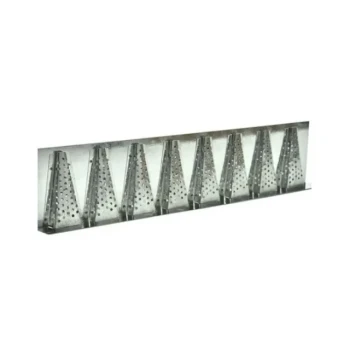
The primary function of a cuboid queen excluder entry device is to transform the hive entrance from a flat plane into a three-dimensional defensive stronghold. By extending the entrance outward into a volumetric structure, it creates a physical "buffer zone" that prevents hornets from reaching the hive interior while simultaneously dispersing their hunting pressure. The device utilizes precise grid spacing to mechanically block larger predators, allowing worker bees to retreat safely and continue foraging operations through multiple access points.
The core innovation of the cuboid design is that it denies predators a single focal point of attack. By forcing hornets to patrol a multi-faced, three-dimensional structure, the device breaks their ability to establish a dominant blockade, ensuring the colony's survival during peak predation periods.
The Mechanics of Volumetric Defense
Creating a Safety Buffer
The most distinct feature of this device is its shape. Unlike a flat screen that sits flush against the hive body, the cuboid structure projects outward.
This creates a spatial gap between the outer defense perimeter and the actual hive entrance. This "buffer space" serves as a retreat area where guard bees can mobilize without being immediately exposed to the jaws of a predator.
Dispersing Predator Pressure
Hornets are efficient hunters that often hover directly in front of standard entrances to pick off returning foragers. The cuboid device counters this by offering multiple faces for entry and exit.
Because the bees can enter through the front or sides of the cube, the hornets cannot guard every opening simultaneously. This effectively dilutes the predator's focus and reduces the success rate of their attacks.
Biological Filtering via Grid Precision
Mechanical Exclusion
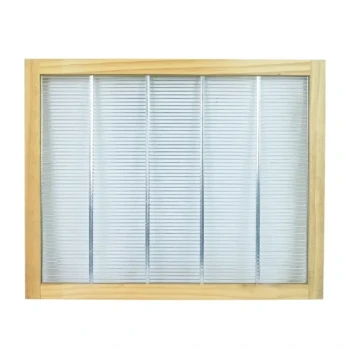
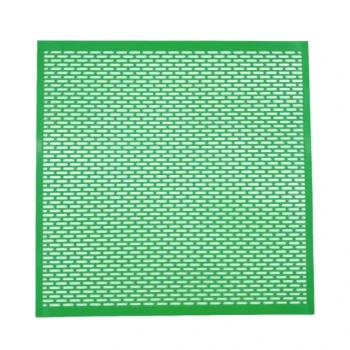
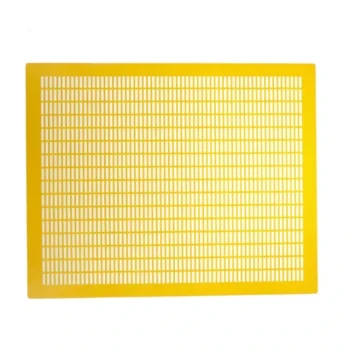
The device leverages the physical size difference between the predator and the prey. It employs a grid system—typically adapting the geometry of a standard queen excluder—to act as a selective filter.
While the exact gap size (often around 4.3mm) allows worker bees to pass through freely, it is too narrow for the larger thorax of a hornet. This renders the interior of the hive physically inaccessible to the attacker.
Protecting the Colony Core
By stopping hornets at the outer perimeter, the device prevents the most devastating outcome of an attack: the invasion of the brood nest.
This ensures the safety of the queen and larvae. It prevents the slaughter of the brood and keeps the internal social structure of the hive intact, allowing the colony to maintain production even while under siege.
Understanding the Trade-offs
Passive vs. Active Defense
It is critical to understand that this device is a passive mechanical barrier. It effectively blocks entry and reduces harassment, but it does not eliminate the hornet population.
The hornets may still loiter outside the device attempting to hunt. While the hive is safe from invasion, the presence of predators can still induce some level of stress on the colony, though significantly less than a direct breach.
Distinction from Internal Management
Do not confuse this entry device with a standard internal queen excluder.
An internal excluder is a flat screen placed between boxes to separate brood from honey supers for cleaner harvesting. The cuboid entry device repurposes this grid technology specifically for external defense and is not designed to manage egg-laying locations within the hive.
Making the Right Choice for Your Goal
To select the correct equipment for your apiary, consider your immediate threat level and management objectives:
- If your primary focus is preventing colony collapse due to predation: Install a cuboid entry device to create a 3D barrier that blocks hornets and disperses their hunting activity.
- If your primary focus is producing pure, brood-free honey: Install a standard flat queen excluder between the brood box and honey supers to restrict the queen's movement internally.
By changing the geometry of the battlefield from a flat line to a three-dimensional solid, you shift the advantage from the predator back to the colony.
Summary Table:
| Feature | Cuboid Entry Device | Standard Internal Excluder |
|---|---|---|
| Primary Purpose | External predator defense (hornets/wasps) | Internal queen management (honey production) |
| Design Geometry | 3D Volumetric structure (protruding) | 2D Flat plane (flush) |
| Mechanism | Disperses predator pressure via multiple faces | Restricts egg-laying to specific boxes |
| Placement | External hive entrance | Between brood chamber and honey supers |
| Key Benefit | Prevents colony collapse & brood slaughter | Ensures brood-free, high-purity honey |
Secure Your Apiary’s Future with HONESTBEE
Protecting your colony from hornets requires more than just tools—it requires a strategic defense. At HONESTBEE, we specialize in empowering commercial apiaries and distributors with high-performance beekeeping solutions. From precision-engineered cuboid entry devices and hive-making machinery to essential consumables and honey-themed cultural merchandise, we provide the full spectrum of equipment needed to scale your operations.
Why partner with HONESTBEE?
- Comprehensive Wholesale Offering: A one-stop shop for tools, machinery, and hardware.
- Built for Scale: Equipment designed to meet the rigorous demands of professional beekeeping.
- Expert Support: We help you select the right defensive and production tools to maximize yield and colony safety.
Don’t let predators compromise your production. Contact us today to explore our wholesale catalog and see how our hardware can fortify your business.
References
- M. A. Abd Al-Fattah, Wael Mahmoud Marzouk. New applications for protecting honeybee, Apis mellifera L., colonies from attacking the oriental hornet (Vespa orientalis Fab.). DOI: 10.21608/eajbsa.2014.13201
This article is also based on technical information from HonestBee Knowledge Base .
Related Products
- Wooden Queen Bee Excluder for Beekeeping
- Lightweight Durable Plastic Queen Excluder Scraper for Beekeeping
- Premium Wood Framed Metal Wire Queen Bee Excluder
- Metal Queen Bee Excluder for Beekeeping
- High Performance Plastic Queen Excluder for Beekeeping and Apiary Management
People Also Ask
- How does a queen-bee excluder function as a defense against Small Hive Beetles? Protect Your Honey with Resource Denial
- Why are standardized hive frames and queen excluders essential for maintaining honey purity and quality? Scale Your Purity
- What types of queen excluders are available for beekeepers? Choose the Right Tool for Your Hive
- Can a queen excluder be used as a propolis trap? Understand Bee Space for Better Hive Management
- Why are queen excluders essential in intensive honey production management? Ensure Purity & Efficiency