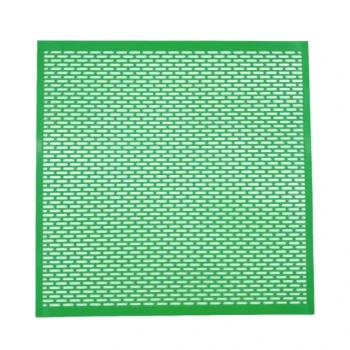
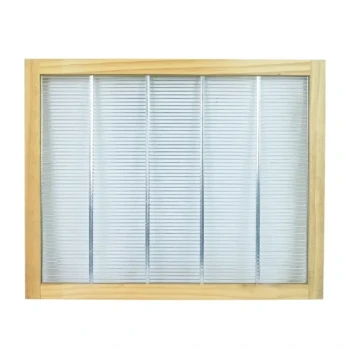
The primary function of using a standardized queen excluder as a carrier in protein feeding is to act as a stable, suspended physical support platform for nutritional supplements. By modifying the excluder to specific dimensions, such as 15x20 cm², beekeepers can securely fix protein substitutes between hive frames, ensuring the feed remains elevated and accessible rather than falling to the bottom of the hive.
By positioning feed directly in the colony's most active zones, this tool maximizes consumption rates while simultaneously acting as a preventative measure against waste and bacterial contamination caused by fallen debris.
The Mechanics of the Support Platform
Ensuring Physical Stability
The core utility of this method is the creation of a rigid framework for soft protein feeds. Without support, protein patties or loose supplements can easily crumble or slip due to gravity or hive activity.
Using a cut queen excluder provides a fixed suspension system. It anchors the feed between frames, ensuring it maintains its structural integrity until it is consumed.
Targeting Active Zones
Placement is critical for uptake. The excluder carrier allows you to position the protein specifically in areas where worker bees are most active.
This proximity reduces the energy cost for bees to access nutrition. It ensures the supplement is available immediately within the cluster, rather than forcing bees to forage in colder or less accessible parts of the hive.
Hygiene and Efficiency Implications
Minimizing Resource Waste
When protein feed falls to the bottom board, it is often ignored by the colony and effectively lost. The excluder carrier drastically reduces this material waste.
By keeping the feed suspended, you ensure that the investment made in nutrition actually reaches the bees' digestive systems rather than being discarded as debris.
Preventing Pathogen Risks
Fallen protein feed does more than waste money; it becomes a biological hazard. Decomposing organic matter on the hive floor is a breeding ground for bacteria.
The excluder carrier mitigates this risk by keeping the environment clean. It prevents the accumulation of rotting material, thereby reducing the risk of bacterial growth and maintaining better overall hive hygiene.
Operational Considerations
Requirement for Modification
This is not an "out-of-the-box" solution; it requires preparation. The standardized queen excluder must be cut to precise dimensions (e.g., 15x20 cm²) to function correctly as a carrier.
Equipment Sacrifice
To utilize this method, you must be willing to repurpose existing equipment. Converting a standard excluder into smaller carriers means that piece of equipment can no longer serve its original purpose of segregating the queen.
Making the Right Choice for Your Goal
This technique is particularly useful for beekeepers focusing on intensive nutritional management.
- If your primary focus is Hive Hygiene: Use this method to prevent feed from falling to the bottom board, effectively eliminating a primary source of bacterial growth.
- If your primary focus is Feed Efficiency: Utilize the carrier to suspend protein in high-traffic areas, ensuring maximum consumption with minimal waste.
By stabilizing the delivery mechanism, you transform feeding from a passive attempt into a controlled, sanitary process.
Summary Table:
| Feature | Function & Benefit |
|---|---|
| Physical Support | Acts as a stable, suspended platform for protein patties or loose supplements. |
| Strategic Placement | Positions feed in high-activity zones (15x20 cm²) for faster uptake. |
| Waste Reduction | Prevents feed from falling to the bottom board, ensuring maximum consumption. |
| Hygiene Control | Mitigates bacterial growth and pathogen risks by keeping the hive floor clean. |
| Operational Utility | Repurposes standard equipment into precise carriers for intensive nutrition management. |
Maximize Your Colony Productivity with HONESTBEE
At HONESTBEE, we understand that precision in nutrition management is the backbone of a thriving commercial apiary. As a premier provider for commercial apiaries and global distributors, we offer a comprehensive wholesale range of high-quality beekeeping tools, specialized machinery, and essential consumables.
Whether you need standardized queen excluders to optimize your feeding processes, or advanced hardware like honey-filling and hive-making machines, our portfolio is designed to enhance your operational efficiency and hive health.
Ready to scale your beekeeping operations? Contact us today to discover how our professional-grade equipment and industry expertise can bring superior value to your business.
References
- Hatem Sharaf El-Din, M. A. Abd Al-Fattah. The type of protein supplement or substitute and its location from brood affect honeybee colony performance. DOI: 10.21608/sjas.2022.114530.1179
This article is also based on technical information from HonestBee Knowledge Base .
Related Products
- High Performance Plastic Queen Excluder for Beekeeping and Apiary Management
- Lightweight Durable Plastic Queen Excluder Scraper for Beekeeping
- Professional Plastic Queen Excluder for Modern Beekeeping
- Premium Wood Framed Metal Wire Queen Bee Excluder
- Metal Queen Bee Excluder for Beekeeping
People Also Ask
- What are the characteristics of a plastic queen excluder? Key Benefits for Cost-Effective Beekeeping
- What are the operational and cost advantages of using plastic queen excluders over metal or wire excluders in commercial hive management? Discover how they reduce labor, prevent wing damage, and lower total costs.
- What types of queen excluders are available for beekeepers? Choose the Right Tool for Your Hive
- Why are standardized hive frames and queen excluders essential for maintaining honey purity and quality? Scale Your Purity
- Do plastic queen excluders work? A Cost-Effective Solution for Modern Apiaries