The primary function of a digital honey refractometer is to accurately measure moisture content. By analyzing the refractive index of a sample, the device calculates the precise mass of water per 100 grams of honey. This metric is the single most critical factor in evaluating honey maturity, ensuring storage stability, and preventing fermentation.
Core Takeaway While the device technically measures the bending of light (refraction), its operational purpose is to certify that honey falls below the critical 20% moisture threshold. This prevents yeast fermentation and ensures the product meets regulatory standards for shelf stability and maturity.
How the Measurement Works
The Refractive Index Principle
Honey is a supersaturated solution, meaning it contains a high concentration of dissolved solids (primarily sugars). A refractometer measures how much light bends (refracts) as it passes through a sample of this solution.
Converting to Moisture Percentage
Because the density of the honey changes based on how much water is present, the refractive index correlates directly to water content. The digital device instantly converts the optical reading into a moisture percentage or a Brix value (total soluble solids).
Rapid, Non-Destructive Testing
Unlike chemical analysis, this method requires only a tiny droplet of honey. It provides real-time results, making it practical for use at harvesting sites, collection stations, or processing facilities.
The Critical Role of Moisture Data
Preventing Fermentation
The most urgent application of the data is assessing spoilage risk. Wild yeasts found in honey are generally dormant in low-moisture environments.
However, if water content exceeds 18% to 20%, these osmotolerant yeasts become active. This triggers fermentation, souring the honey and rendering it unfit for commercial sale.
Determining Honey Maturity
Bees fan nectar with their wings to evaporate water before capping the honeycomb cells with wax. This process turns nectar into mature honey.
A refractometer reading helps beekeepers verify that the honey is fully ripe. Harvesting "wet" or unripe honey often leads to instability and spoilage issues later in the supply chain.
Regulatory Compliance
Food safety standards define strict limits on water content for honey to be labeled as "Grade A" or equivalent. The refractometer ensures production batches adhere to these national and international quality standards, which typically cap moisture at 20%.
Understanding the Trade-offs
Temperature Sensitivity
The refractive index of honey fluctuates with temperature changes. A reading taken at 10°C will differ from one taken at 30°C, even if the moisture content is identical.
To mitigate this, high-precision readings must be taken at a constant temperature (typically 20°C) or using a device equipped with Automatic Temperature Compensation (ATC). Ignoring temperature variables is a common source of error.
Calibration Requirements
Digital sensors can drift over time. To maintain accuracy, the device requires regular calibration using distilled water or a standard solution. Failing to calibrate the device can lead to false confidence in a batch's stability.
Interferences from Crystallization
Refractometers measure liquid honey. If a sample has begun to crystallize, the solid sugar crystals will not be measured correctly. To get an accurate reading on crystallized honey, the sample must be gently melted and mixed back into a liquid state first.
Making the Right Choice for Your Goal
- If your primary focus is Long-Term Storage: Aim for a moisture content reading below 17-18% to guarantee maximum fermentation resistance over time.
- If your primary focus is Harvesting: Use the device in the field to confirm honeycomb maturity; do not extract frames until readings consistently drop below 20%.
- If your primary focus is Commercial Compliance: Ensure your device is calibrated daily to certify that your final product meets the legal mass-per-100g water limits.
By providing a precise, objective metric for water content, the refractometer transforms honey from a raw agricultural variable into a stable, certified commodity.
Summary Table:
| Feature | Primary Function / Detail |
|---|---|
| Primary Metric | Moisture Content (Mass of water per 100g) |
| Core Principle | Refractive Index of light through sugar solutions |
| Key Threshold | Under 18-20% (Prevents yeast fermentation) |
| Critical Features | Automatic Temperature Compensation (ATC) & Digital Calibration |
| Sample State | Liquid honey (Crystallized samples must be melted) |
| Operational Use | Maturity verification, harvesting timing, and quality control |
Elevate Your Honey Production Standards with HONESTBEE
Maintaining precision in moisture control is the difference between premium grade honey and spoiled inventory. HONESTBEE empowers commercial apiaries and global distributors with professional-grade beekeeping tools and advanced machinery designed for scale and reliability.
From digital honey refractometers for precise quality assessment to industrial honey-filling machines and specialized hive-making hardware, we provide the comprehensive equipment and consumables your business needs to thrive. Partner with us to streamline your supply chain and guarantee product excellence.
Ready to scale your apiary operations?
Contact our wholesale specialists today to discuss our volume solutions and equipment portfolio.
References
- Taner Yoldaş, Elif Sine Düvenci. Investigation of Some Quality Criteria in Chestnut Honey of Düzce Province. DOI: 10.29130/dubited.1383148
This article is also based on technical information from HonestBee Knowledge Base .
Related Products
- Digital Honey Refractometer for Precision Measurement of Optimal Honey Quality
- Precision Honey Refractometer Instrument for Quality Assessment
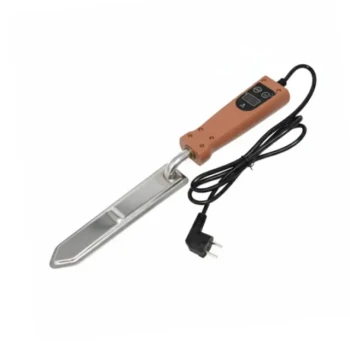
- Digital Display Electric Honey Uncapping Knife for Beekeeping and Decapping
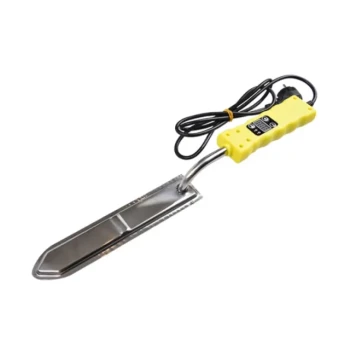
- Professional Electric Honey Uncapping Knife with Heated Digital Temperature Control for Beekeeping
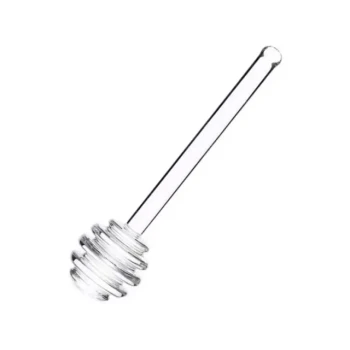
- Premium Heat-Resistant Glass Honey Dipper
People Also Ask
- What role do high-precision refractometers play in determining the maturity and quality of honey? Ensure Honey Purity.
- Do the color and viscosity of honey affect its refractometer reading? Mastering Moisture Measurement Accuracy
- What is the best way to store a honey refractometer? Preserve Accuracy and Extend Its Lifespan
- What is a honey refractometer? The Essential Tool for Perfect Honey Quality
- Why is a honey refractometer considered essential for commercial beekeepers? Ensure Honey Quality and Profitability