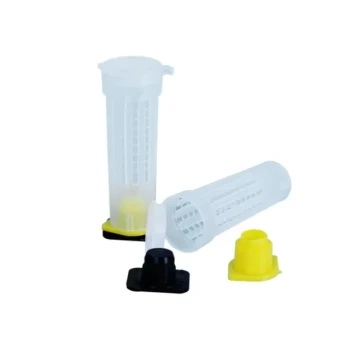
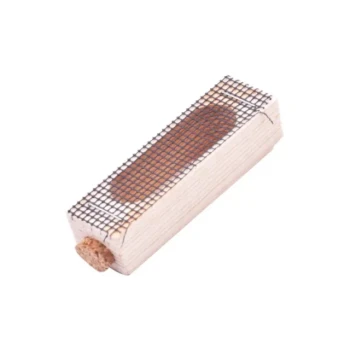
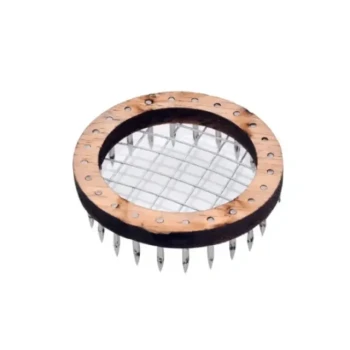
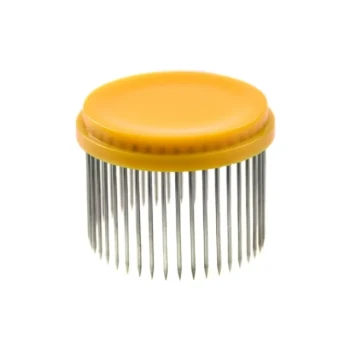
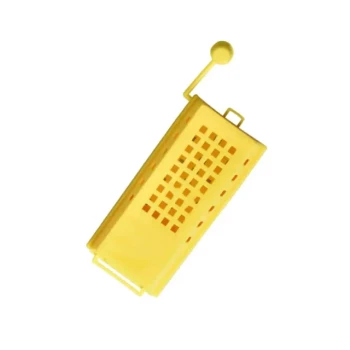
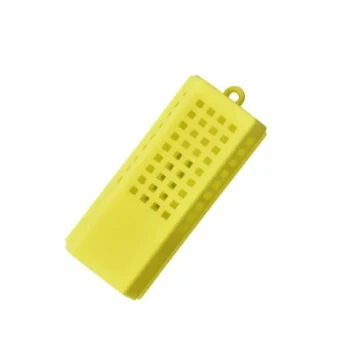
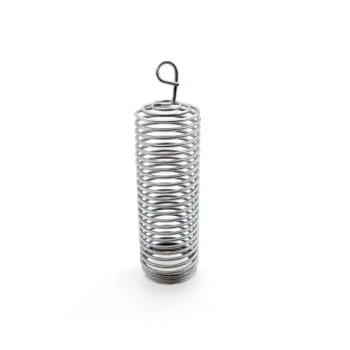
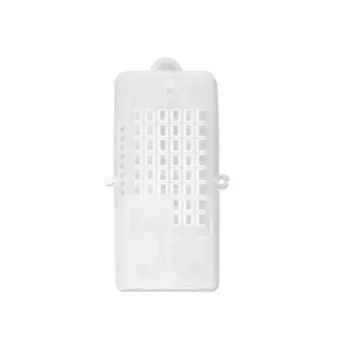
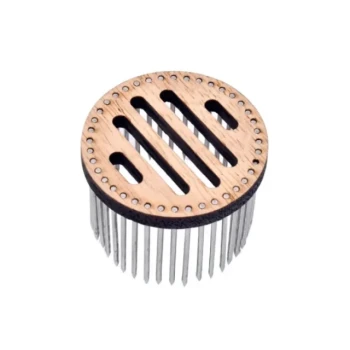
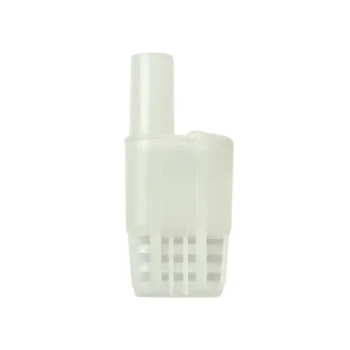
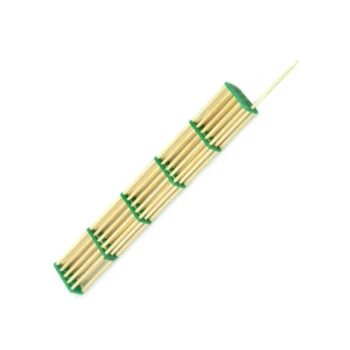
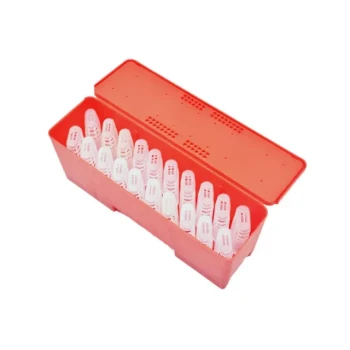
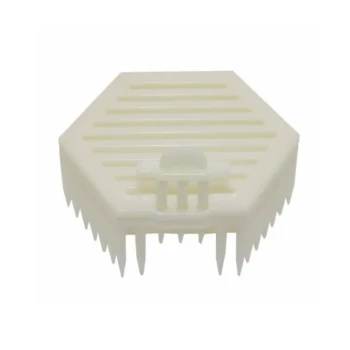
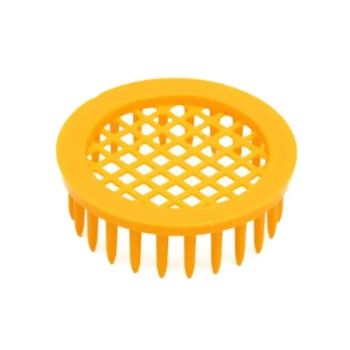
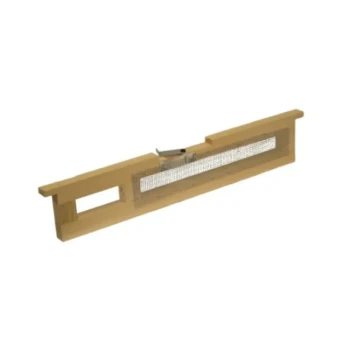
The primary function of a Milyenin-style queen cage is to artificially create a broodless period within the hive by confining the queen. By physically preventing the queen from laying eggs, the device forces the colony to mature all existing larvae until they emerge. This systematically eliminates the capped brood cells that parasites like Tropilaelaps mites rely on for reproduction and physical protection.
To effectively control infestations, you must disrupt the parasite's sanctuary. The Milyenin-style cage does not kill mites directly; rather, it forces them out of the safety of sealed cells, exposing them to treatments that would otherwise be ineffective.
The Mechanism of Biological Control
Interrupting the Reproductive Cycle
Parasitic mites, specifically Tropilaelaps clareae, are biologically dependent on sealed worker brood cells to reproduce. They enter these cells before capping to lay their eggs. By caging the queen and stopping egg production, you sever the supply of new hosts.
Eliminating the Parasite's Refuge
Under normal conditions, a significant portion of the mite population is hidden inside capped brood cells. In this state, they are shielded from most external interventions. The Milyenin-style cage ensures that, over time, all brood hatches and no new brood replaces it, leaving the mites with nowhere to hide.
Enhancing Treatment Efficacy
Exposing the Population
Once the hive is fully broodless, the entire mite population is forced to become phoretic, meaning they must attach themselves to adult bees. This migration moves the parasites from a protected environment to an exposed one.
Maximizing Chemical Impact
With the mites exposed on adult bees, chemical treatments such as fumigation or spraying become significantly more effective. The primary reference indicates that combining the cage with these treatments achieves high elimination rates that are impossible when brood is present.
Understanding the Trade-offs
Colony Population Dip
The most immediate downside to using a Milyenin-style cage is the halt in colony growth. Because no eggs are laid during the confinement period, there will be a subsequent gap in the emergence of new worker bees, which can temporarily weaken the hive's workforce.
Timing and Management
This method requires precise timing. You must confine the queen long enough for all existing brood to emerge, but not so long that the colony becomes critically underpopulated or the queen suffers from excessive confinement stress.
Making the Right Choice for Your Goal
To maximize the effectiveness of your parasite management strategy, consider the following applications:
- If your primary focus is maximum mite elimination: Combine the queen cage with a chemical treatment (like fumigation) immediately after the hive becomes broodless to target the exposed mites.
- If your primary focus is reducing chemical resistance: Use the broodless period to ensure that a single application of treatment is highly effective, reducing the need for repeated, prolonged chemical exposure.
By controlling the brood cycle, you convert a complex infestation hidden behind wax cappings into a manageable surface problem.
Summary Table:
| Feature | Impact on Parasite Management |
|---|---|
| Primary Function | Confines the queen to stop egg-laying and create a broodless state. |
| Mechanism | Forces mites out of capped cells into a phoretic state on adult bees. |
| Main Advantage | Increases the kill rate of chemical treatments by exposing the entire mite population. |
| Key Consideration | Requires precise timing to manage the temporary dip in colony population. |
| Target Parasites | Tropilaelaps clareae and other brood-dependent parasitic mites. |
Maximize Your Colony Health with HONESTBEE Professional Solutions
Are you managing a large-scale commercial apiary or supplying the beekeeping industry? At HONESTBEE, we understand that effective parasite management is the backbone of a productive hive. We provide a comprehensive range of professional-grade beekeeping tools, from Milyenin-style queen cages and specialized hardware to advanced honey-filling machines.
Our mission is to empower distributors and commercial beekeepers with reliable equipment and essential consumables that ensure hive longevity and operational efficiency. Contact us today to discuss wholesale opportunities and discover how our expertise can optimize your beekeeping results.
References
- З.М. Долгиева, М.И. Ужахов. СОВЕРШЕНСТВОВАНИЕ ТЕХНОЛОГИИ СОДЕРЖАНИЯ И РАЗВЕДЕНИЯ ПЧЕЛ В УСЛОВИЯХ РЕСПУБЛИКИ ИНГУШЕТИЯ. DOI: 10.25691/gsh.2022.6.018
This article is also based on technical information from HonestBee Knowledge Base .
Related Products
- Premium Nicot Style Queen Rearing Kit with Hair Roller Bee Cages
- Classic Wooden and Mesh California Queen Cage
- Wood and Mesh Push-In Queen Cage
- Professional Round Push-In Queen Cage with Metal Tines
- Professional Queen Cage with Sliding Gate and Feeder Plug
People Also Ask
- What is the primary function of a queen rearing kit? Eliminate Manual Grafting for Superior Bee Breeding
- What are some alternative methods to grafting for queen cell production? Discover Graft-Free Queen Rearing Systems
- How do specialized queen rearing kits and queen management tools improve the success rate of bee colony expansion?
- How do modern queen bee rearing and breeding kits improve apiary management? Transition to Proactive Precision Breeding
- How is 'active' queen rearing defined in beekeeping? Master Intentional Colony Management & Genetic Control