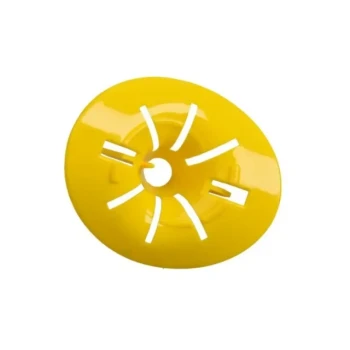
The primary function of a pollen trap is to automate the large-scale collection of bee pollen by mechanically stripping pellets from the hind legs of returning forager bees. This hardware component, installed at the hive entrance, uses a specialized grid or mesh to dislodge pollen into a collection drawer without harming the bees or requiring the disassembly of the internal hive structure.
For commercial beekeeping operations, the pollen trap is a dual-purpose tool used to diversify revenue through raw pollen sales and to gather essential data for scientific colony management and nutritional analysis.
The Mechanics of Commercial Collection
Precision Stripping Technology
A pollen trap utilizes an internal grid or stripping plate with precisely sized apertures. As foraging worker bees enter the hive, they are forced through this mesh, which physically scrapes the pollen loads—also known as pollen pellets—from their "pollen baskets."
Integrated Storage Systems
Once dislodged, the pollen pellets fall through a secondary screen into a protected collection box or storage drawer. This design ensures the raw material remains clean and separated from the main hive traffic, maintaining the purity of the botanical source for subsequent processing or distribution.
Automated Large-Scale Harvesting
In a commercial context, these devices enable automated, standardized harvesting across hundreds of colonies simultaneously. This efficiency allows apiaries to produce high volumes of raw pollen with minimal labor, making it a critical component for any operation focusing on high-volume production.
Strategic Value for Commercial Operations
Revenue Stream Diversification
Beyond honey production, pollen traps allow beekeepers to tap into the nutraceutical and health food markets. By harvesting fresh pollen for commercial distribution, operations can significantly increase their per-hive profit potential.
Data-Driven Apiary Management
Pollen traps serve as diagnostic tools to analyze local nectar plant diversity and seasonal resource availability. Technicians use these samples to determine the nutritional value of available forage, providing a scientific basis for supplemental feeding or strategic apiary migration.
Non-Destructive Resource Acquisition
Modern traps are designed for non-destructive acquisition, meaning they collect a portion of the incoming resource without halting the colony's growth. This allows for the simultaneous production of honey and pollen, optimizing the output of every commercial unit.
Understanding the Trade-offs
Impact on Colony Nutrition
While traps are designed to be non-destructive, continuous trapping can lead to nutritional stress if the colony is not monitored. Expert beekeepers often employ a rotational trapping schedule to ensure the brood receives sufficient protein for development.
Maintenance and Purity Standards
To maintain commercial grade quality, collection drawers must be emptied frequently to prevent moisture accumulation and mold growth. High-quality traps feature ventilation and weather-shielding, but they still require a disciplined maintenance schedule to ensure the raw pollen meets food-safety standards.
Optimizing Your Product Portfolio
When sourcing pollen traps for wholesale or distribution, it is essential to focus on durability and ease of integration into existing hive systems to ensure rapid adoption by commercial end-users.
- If your primary focus is high-volume commercial honey producers: Prioritize front-mounted or bottom-board traps that offer high-capacity drawers and "easy-on, easy-off" functionality to minimize labor costs during installation.
- If your primary focus is research and premium nutritional markets: Select traps with high-precision grids that maximize pellet retention and feature specialized ventilation to preserve the chemical integrity of the pollen.
- If your primary focus is logistics and supply chain efficiency: Partner with a one-stop sourcing provider that offers a full-spectrum product portfolio and ultra-fast delivery to ensure your inventory levels match seasonal demand spikes.
By integrating high-performance pollen traps into your inventory, you provide commercial apiaries with the essential tools needed to maximize both biological health and financial return.
Summary Table:
| Feature | Primary Function | Commercial Benefit |
|---|---|---|
| Stripping Grid | Mechanically dislodges pollen pellets from bees | Enables automated, high-volume harvesting |
| Collection Drawer | Stores raw material away from hive traffic | Ensures botanical purity for premium markets |
| Non-Destructive Design | Collects resources without harming the colony | Allows simultaneous honey and pollen production |
| Diagnostic Sampling | Provides data on local nectar diversity | Supports scientific, data-driven apiary management |
Expand Your Wholesale Inventory with HONESTBEE
Are you looking to provide your commercial clients with high-performance beekeeping solutions? HONESTBEE is your premier partner for one-stop sourcing. We cater specifically to distributors, wholesalers, and B2B resellers with a comprehensive, full-spectrum product portfolio.
Why Partner with HONESTBEE?
- Comprehensive Sourcing: From precision pollen traps and hive-making machinery to honey-filling systems and essential industry consumables.
- Built for Scale: We supply everything from specialized commercial hardware to honey-themed cultural merchandise.
- Reliable Supply Chain: Benefit from ultra-fast delivery, rapid response times, and deep professional industry expertise.
- B2B Advantage: Boost your profit margins with our high-quality OEM/ODM support and efficient order fulfillment.
Ready to streamline your supply chain and enhance your market offering? Contact HONESTBEE today to discuss our wholesale opportunities and how we can support your business growth.
References
- Ofijan Tesfaye. Effect of floral variation on the proximate and mineral composition of bee pollen in Dale Sedi District, Kellem Wollega Zone, Western Ethiopia. DOI: 10.1186/s12870-025-07116-2
This article is also based on technical information from HonestBee Knowledge Base .
Related Products
- Removable Plastic Pollen Trap With Ventilated Tray for Bees Pollen Collector
- 30 cm Plastic Entrance Hole Bee Pollen Trap and Collector
- Plastic Bee Pollen Trap Strips Comb Catcher Collector
- High-Efficiency Diamond Maze Bee Escape for Clearing Supers
- Professional Bucket Style Wasp and Moth Pheromone Trap
People Also Ask
- What are the design principles and advantages of pollen traps in the collection of bee pollen? Boost Your Apiary Yield
- What is the function of professional pollen traps in evaluating honey plants? Quantifying Pollination and Crop Potential
- What functions do pollen traps serve for bee bread production? Optimize Your Raw Material Collection
- What maintenance and pest prevention measures should be taken for pollen traps? Protect Your Hive and Harvest Quality
- How does the use of pollen traps in honeybee hives enhance crop fertilization? Boost Your Yield Through Induced Activity