The Pollen Trap serves as a precision mechanical interface for non-invasive resource extraction from honeybee colonies. It is a specialized device installed at the hive entrance designed to physically strip pollen pellets from the hind legs of foraging worker bees as they return from the field. By intercepting these samples before they are processed by the colony, the trap provides researchers and commercial operators with high-purity, site-specific raw materials for nutritional analysis, environmental monitoring, and supplemental feed production.
The primary function of a Pollen Trap is to mechanically intercept approximately 50% of incoming pollen loads using a calibrated grid, enabling the systematic collection of local protein sources without compromising the colony's health or internal structure.
Precision Engineering in Pollen Collection
The Mechanical Interception Grid
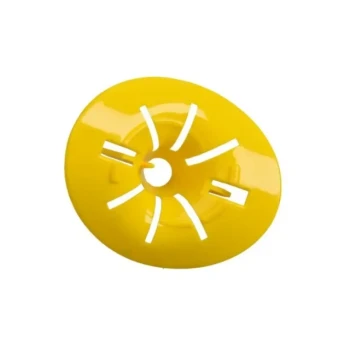
The core of the device is a calibrated interception grid featuring specific pore sizes. As returning bees pass through this barrier, the pollen pellets attached to their hind legs are scraped off and fall into a protected collection tray.
Non-Invasive Resource Sampling
This method is categorized as non-destructive collection. It allows for the acquisition of "bee bread" and raw pollen samples in real-time, ensuring the internal structure and protein stores of the bee colony remain intact for continued study or honey production.
High-Purity Material Sourcing
For commercial and research applications, the trap provides a high-purity source of natural protein. This material is essential for creating control groups in feeding studies or as a base for premium pollen patties, allowing for a direct comparison between natural flora and alternative protein substitutes.
Strategic Applications in Research and Industry
Environmental and Pesticide Monitoring
Pollen traps are critical for tracking the temporal dynamics of pesticide entry into the hive. By analyzing the trapped pollen, researchers can identify specific environmental toxins and map the diversity of plant resources the bees are utilizing within a specific radius.
Assessing Colony Foraging Vitality
The volume of collected pollen serves as a quantitative metric for foraging intensity and pollination efficiency. This data allows distributors to provide their clients with hardware that accurately measures the health and productivity of commercial bee populations.
Nutritional Preference Analysis
The device enables the identification of plant-source pollen based on color and morphology. This expertise is vital for understanding which vegetation areas offer the best nutritional value, guiding the placement of hives in large-scale agricultural operations.
Understanding the Technical Trade-offs
Impact on Colony Protein Supply
While traps are designed to be non-invasive, they typically intercept about half of the incoming protein. If left on a hive indefinitely during a nectar flow with low pollen availability, it can limit the protein supply required for brood rearing.
Foraging Obstruction and Stress
The physical barrier of the trap can occasionally lead to congestion at the hive entrance. Improperly fitted traps or incorrect grid sizes can slow down foraging cycles, making it essential to source high-quality, professionally engineered equipment that prioritizes bee traffic flow.
Maintenance and Purity Risks
Pollen collected in trays is highly susceptible to moisture and mold if not harvested daily. This requires a commitment to frequent collection cycles to maintain the biological integrity and market value of the raw samples.
Optimizing Your Sourcing for Professional Results
As a distributor or wholesaler, selecting the right equipment is about balancing research precision with commercial durability. Providing a comprehensive product portfolio that includes various grid specifications ensures your clients can meet diverse research and collection goals.
- If your primary focus is research and environmental monitoring: Prioritize traps with high-precision grids and modular designs that allow for easy, non-disruptive sample retrieval.
- If your primary focus is commercial pollen production: Invest in bulk-compatible, durable entrance traps that emphasize rapid installation and high-volume collection trays to maximize operational efficiency.
- If your primary focus is supply chain reliability: Partner with providers who offer rapid response times and deep professional expertise to ensure your inventory meets the seasonal demands of the apiculture industry.
By integrating these professional-grade tools into your inventory, you provide the essential hardware required to turn a standard apiary into a sophisticated data-collection and resource-production hub.
Summary Table:
| Feature | Primary Function | Key Benefit for Professionals |
|---|---|---|
| Mechanical Grid | Strips pollen pellets from bees' legs | Non-invasive extraction of high-purity protein |
| Collection Tray | Securely stores intercepted samples | Streamlined high-volume commercial sourcing |
| Data Metric | Monitors foraging & pesticide entry | Accurate health tracking & environmental analysis |
| Operational Design | Hive entrance installation | Maintains colony structure for continued production |
Scale Your Apiary Operations with HONESTBEE
Are you a distributor, wholesaler, or commercial apiary looking to streamline your supply chain? HONESTBEE offers a comprehensive full-spectrum product portfolio to meet every professional need. From precision pollen traps and essential beekeeping tools to advanced hive-making and honey-filling machinery, we provide one-stop sourcing for high-performance equipment and consumables.
Why Partner with HONESTBEE?
- Deep Industry Expertise: Professional-grade hardware designed for research and commercial success.
- Rapid Response & Support: Dedicated customer service to ensure your operations never slow down.
- Efficient Fulfillment: Ultra-fast delivery and reliable supply chains to maximize your profit margins.
- Tailored Solutions: OEM/ODM support for distributors and B2B resellers.
Ready to elevate your inventory with premium trading services? Contact HONESTBEE today to discuss our wholesale offerings!
References
- Seiji Yokota, Arathi Seshadri. Pollen foraging preferences in honey bees and the nutrient profiles of the pollen. DOI: 10.1038/s41598-024-65569-1
This article is also based on technical information from HonestBee Knowledge Base .
Related Products
- Removable Plastic Pollen Trap With Ventilated Tray for Bees Pollen Collector
- 30 cm Plastic Entrance Hole Bee Pollen Trap and Collector
- Plastic Bee Pollen Trap Strips Comb Catcher Collector
- High-Efficiency Diamond Maze Bee Escape for Clearing Supers
- Professional Bucket Style Wasp and Moth Pheromone Trap
People Also Ask
- What are the design principles and advantages of pollen traps in the collection of bee pollen? Boost Your Apiary Yield
- What is the function of professional pollen traps in evaluating honey plants? Quantifying Pollination and Crop Potential
- What functions do pollen traps serve for bee bread production? Optimize Your Raw Material Collection
- What maintenance and pest prevention measures should be taken for pollen traps? Protect Your Hive and Harvest Quality
- How does the use of pollen traps in honeybee hives enhance crop fertilization? Boost Your Yield Through Induced Activity