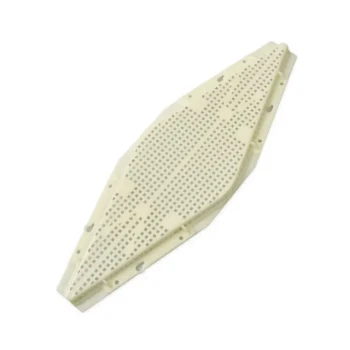
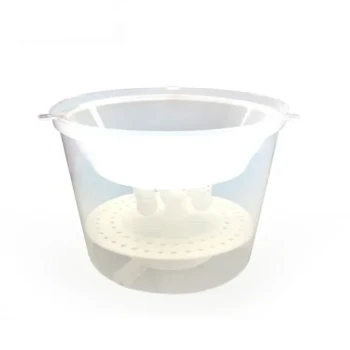
The primary function of a Pollen Trap is to mechanically strip and collect pollen pellets from the hind legs of foraging honeybees as they re-enter the hive. By forcing bees through a precision-designed grid or mesh, the device intercepts raw samples for environmental and nutritional analysis without disrupting the colony's internal structure. This mechanism allows researchers and commercial operators to capture real-time data on pesticide exposure, floral diversity, and the temporal dynamics of the local ecosystem.
The Pollen Trap serves as a vital hardware interface between the honeybee colony and the environment, enabling the non-invasive collection of pure, uncontaminated samples. For B2B distributors, this tool is a cornerstone of precision agriculture and environmental monitoring portfolios.
The Mechanics of Non-Invasive Data Collection
Precision Grid Interception
The device utilizes a specifically sized aperture grid installed at the hive entrance. As worker bees pass through, the physical barrier gently scrapes the pollen loads from their hind legs, which then fall into a protected collection drawer.
Maintaining Colony Integrity
Because the trap is installed externally, it functions as a non-destructive sampling tool. It allows for the gathering of significant sample volumes without the need to open the hive or disturb the delicate brood nest environment.
Real-Time Temporal Sampling
Pollen traps enable technical personnel to monitor temporal dynamics, or the specific timing of when substances enter the hive. This is critical for identifying exactly when honeybees are encountering specific floral sources or environmental contaminants.
Strategic Applications for Professional Monitoring
Pesticide and Pollutant Detection
Pollen traps are essential for the real-time capture of environmental pesticide sources. By analyzing the intercepted pollen, laboratories can quantify environmental exposure risks and monitor heavy metal content without contamination from the internal hive environment.
Nutritional and Palynological Analysis
These devices provide the raw material needed for palynological identification, allowing experts to map plant sources and floral abundance. This data is used to assess the dietary structure and nutritional health of the colony based on specific crop cycles.
Efficiency in Large-Scale Sourcing
For commercial operations, pollen traps facilitate the efficient gathering of mixed pollen samples across vast landscape areas. This high-volume capability makes them a standard requirement for large-scale agricultural contracts and environmental research projects.
Understanding the Trade-offs
Managing Protein Depletion
Standard traps typically intercept approximately 50% of the incoming pollen loads. While this is sufficient for sampling, prolonged use can impact the protein supply of the colony; therefore, traps must be managed periodically to ensure hive health.
Maintenance and Purity Standards
To ensure the accuracy of chemical and nutritional analysis, collection trays must be emptied frequently. Debris or moisture buildup in the drawer can lead to sample degradation, necessitating a high-quality, well-ventilated hardware design.
Entry Logistics and Bee Traffic
Improperly fitted traps can create "traffic jams" at the hive entrance during peak foraging hours. Utilizing precision-engineered equipment with optimized airflow and entry points is vital to minimize stress on the foraging population.
Sourcing the Right Solution for Your Portfolio
When selecting inventory for professional beekeeping or environmental research clients, focus on the technical reliability and ease of integration of the hardware.
- If your primary focus is Environmental Monitoring: Prioritize traps with high-purity collection trays that prevent cross-contamination from the hive’s interior.
- If your primary focus is Commercial Pollination: Look for high-flow designs that maximize collection volume while minimizing the impact on bee foraging speed.
- If your primary focus is Rapid Order Fulfillment: Partner with a supplier offering a comprehensive product portfolio and ultra-fast delivery to meet seasonal agricultural demands.
The Pollen Trap remains an indispensable technical asset for converting honeybee activity into actionable environmental and nutritional data.
Summary Table:
| Feature | Technical Benefit | Strategic Application |
|---|---|---|
| Precision Grid | Strips pollen pellets mechanically | Pure sample collection for lab analysis |
| External Mount | Non-invasive hive monitoring | Maintaining colony health and integrity |
| Temporal Sampling | Real-time data capture | Monitoring pesticide and pollutant exposure |
| High-Flow Design | Minimizes bee traffic congestion | Efficiency in large-scale commercial operations |
Partner with HONESTBEE for Professional Beekeeping Solutions
Elevate your B2B portfolio with HONESTBEE, your premier partner for high-performance beekeeping hardware and equipment. We cater specifically to commercial apiaries and distributors, offering a one-stop sourcing experience for everything from precision-engineered pollen traps to specialized honey-filling machinery and industry consumables.
Why choose HONESTBEE?
- Comprehensive Portfolio: Access a full spectrum of beekeeping tools and honey-themed cultural merchandise.
- Rapid Fulfillment: Benefit from our ultra-fast delivery and efficient order processing to meet seasonal demands.
- Expert Support: Leverage our deep professional industry expertise and dedicated customer service to optimize your supply chain.
- Wholesale Advantage: Competitive margins and OEM/ODM support tailored for distributors and resellers.
Ready to scale your business with reliable, high-quality beekeeping equipment? Contact us today to discuss wholesale opportunities!
References
- Christina Kast, Marion Fracheboud. Temporal entry of pesticides through pollen into the bee hive and their fate in beeswax. DOI: 10.1007/s11356-024-35224-3
This article is also based on technical information from HonestBee Knowledge Base .
Related Products
- Removable Plastic Pollen Trap With Ventilated Tray for Bees Pollen Collector
- 30 cm Plastic Entrance Hole Bee Pollen Trap and Collector
- Plastic Bee Pollen Trap Strips Comb Catcher Collector
- High-Efficiency Diamond Maze Bee Escape for Clearing Supers
- Professional Bucket Style Wasp and Moth Pheromone Trap
People Also Ask
- What are the design principles and advantages of pollen traps in the collection of bee pollen? Boost Your Apiary Yield
- What is the function of professional pollen traps in evaluating honey plants? Quantifying Pollination and Crop Potential
- What functions do pollen traps serve for bee bread production? Optimize Your Raw Material Collection
- What maintenance and pest prevention measures should be taken for pollen traps? Protect Your Hive and Harvest Quality
- How does the use of pollen traps in honeybee hives enhance crop fertilization? Boost Your Yield Through Induced Activity