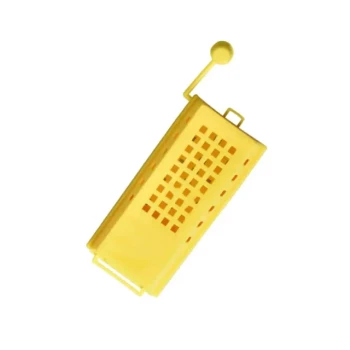
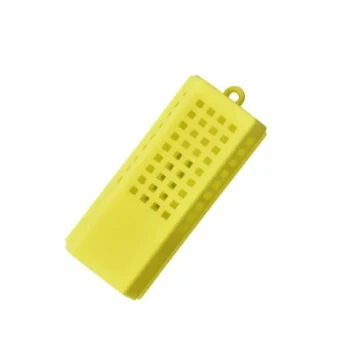
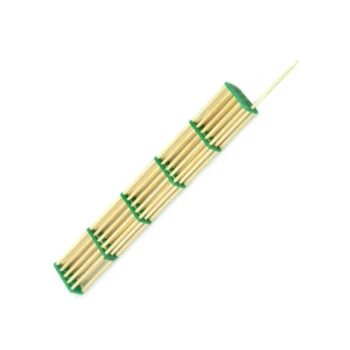
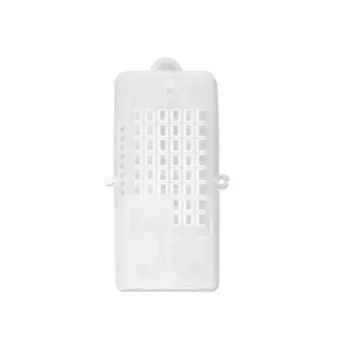
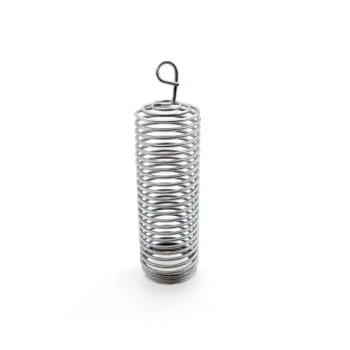
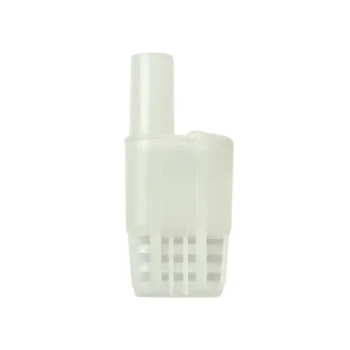
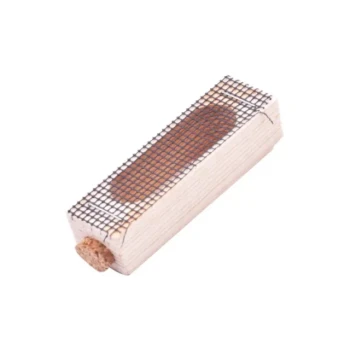
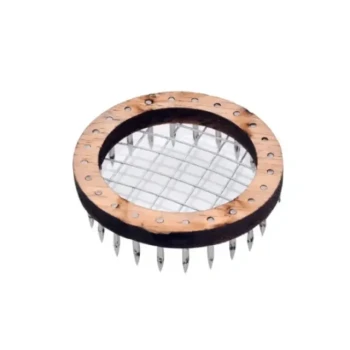
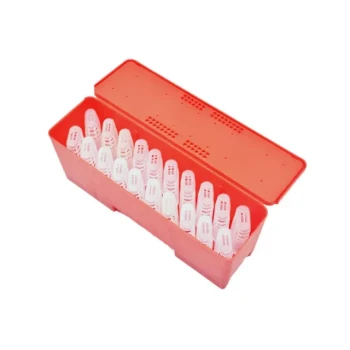
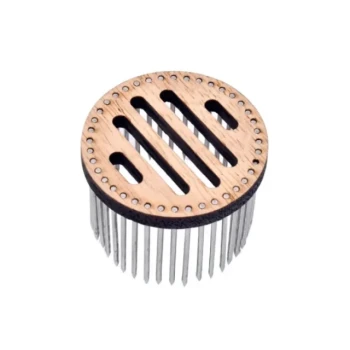
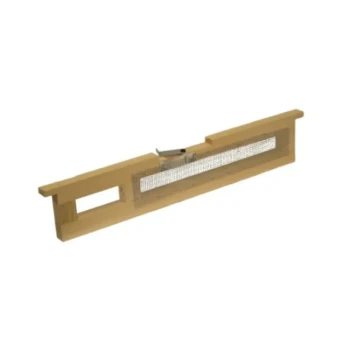
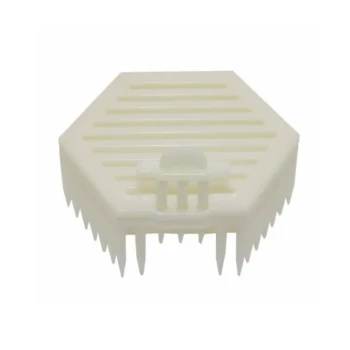
During bulk indoor overwintering, the primary function of a specialized queen cage is to act as a physical barrier that prevents lethal conflict between queens. By isolating each individual, these cages allow multiple queens to be stored within a single colony—known as a "queen bank"—while specialized mesh permits worker bees to feed and care for them from the outside.
The specialized queen cage solves the critical problem of honeybee territoriality; it provides the physical isolation necessary to prevent queens from killing one another while maintaining the biological connection to the colony required for their survival.
The Mechanics of the Queen Bank
To understand the cage's function, you must first understand the environment it creates. In a natural setting, a colony tolerates only one queen.
Physical Isolation
The most immediate function of the cage is safety. Without this physical separation, queens placed in close proximity would instinctively attack and kill one another.
High-Density Storage
This isolation enables the formation of a "queen bank." This allows beekeepers to store a high volume of queens within a single biological unit for months at a time.
The Role of the Mesh Structure
While isolation is the cage's defensive function, the fine mesh structure is its life-support system. A solid box would result in the queen's death; the mesh acts as a selective membrane.
Enabling Trophallaxis
Queens inside the cage cannot forage or easily access food stores on their own. The mesh size is calibrated to allow external worker bees to feed the queen through the wires.
Maintaining Social Connection
Survival is not just about calories; it is about social integration. The mesh allows for antennal communication between the trapped queen and the free-roaming workers.
Pheromone Transmission
The open structure allows the queen's pheromones to circulate. This creates a "miniature social balancing system" where the queen is recognized and cared for rather than rejected as a foreign invader.
Understanding the Operational Trade-offs
While specialized cages are essential for banking, they introduce specific risks that must be managed to ensure queen survival.
Dependence on the Cluster
Because the queen is confined, she cannot move to warmth. If the ambient temperature drops too low and the colony cluster contracts away from the cages, the queens on the periphery will enter a chill coma and die.
The Temperature Balance
To counteract the queen's inability to move, the indoor environment is often kept at a regulated 15±1°C. This higher temperature forces the worker cluster to expand, ensuring the fixed cages remain covered and warm.
Complete Reliance on Workers
The queen loses all autonomy inside the cage. Her survival is entirely dependent on the willingness and ability of the outside workers to feed her through the mesh barrier.
Making the Right Choice for Your Goal
Success in overwintering relies on balancing the physical hardware of the cage with the biological needs of the colony.
- If your primary focus is maximizing survival rates: Ensure your storage room maintains a consistent 15°C to keep the worker cluster expanded over the fixed queen cages.
- If your primary focus is equipment selection: Verify that the cage mesh is fine enough to prevent physical aggression but open enough to facilitate easy feeding and antennal contact.
The specialized queen cage is not merely a container; it is a life-support interface that suspends natural aggression to preserve valuable genetic stock.
Summary Table:
| Function | Key Mechanism | Benefit for Overwintering |
|---|---|---|
| Physical Isolation | Barrier walls | Prevents lethal territorial conflict between queens |
| Life Support | Fine mesh structure | Allows workers to feed queens via trophallaxis |
| Social Integration | Open mesh design | Facilitates pheromone circulation and antennal contact |
| Density Management | Compact cage size | Enables high-volume 'queen banking' in a single colony |
Secure Your Genetic Stock with HONESTBEE Solutions
Successful overwintering requires the perfect balance of biological care and professional-grade hardware. At HONESTBEE, we specialize in supporting commercial apiaries and distributors with a comprehensive range of beekeeping tools and machinery.
From specialized queen cages designed for optimal feeding and pheromone transmission to high-capacity honey-filling machines and hive-making equipment, we provide the industrial-strength solutions your business needs to scale. Our portfolio also includes essential consumables and honey-themed cultural merchandise to help you grow your brand.
Ready to upgrade your commercial beekeeping operation?
Contact HONESTBEE Today to explore our wholesale offerings and discover how our expertise can enhance your apiary’s productivity.
References
- Mireille Lévesque, Pierre Giovenazzo. Impacts of indoor mass storage of two densities of honey bee queens (<i>Apis mellifera</i>) during winter on queen survival, reproductive quality and colony performance. DOI: 10.1080/00218839.2022.2126613
This article is also based on technical information from HonestBee Knowledge Base .
Related Products
- Professional Queen Cage with Sliding Gate and Feeder Plug
- Professional Queen Bee Introduction and Transport Cage
- Professional Multi-Compartment Queen Cage with Sliding Lid
- Professional Round Push-In Queen Cage with Metal Tines
- Professional Bamboo Queen Isolation Cage
People Also Ask
- Why are specialized queen bee cages used for the banking of mated queen bees? Maximize Commercial Apiary Storage Efficiency
- What is the mechanism of action for using temporary queen bee cages? Master Successful Queen Introduction
- How is a queen bee released from a queen cage? Ensure Safe Colony Integration & Hive Success
- What is the step-by-step process for installing a queen bee's cage onto a frame? Ensure Hive Acceptance Safely
- What technical precaution must be taken regarding the mesh or grill side of a queen bee cage? Ensure Queen Survival