The primary function of an insect net in this context is the targeted interception of returning worker bees to access the pollen stored in their corbiculae (pollen baskets). By capturing these bees precisely at the hive entrance, researchers can harvest specific pollen loads to generate data on the colony's current diet without requiring invasive internal hive inspections.
The insect net acts as a precision instrument for sampling plant resource utilization, allowing for the direct correlation between specific worker bees and the floral resources they are currently harvesting.
The Mechanics of Targeted Collection
Precision at the Hive Entrance
Unlike general field sweeping, this method requires focusing the net specifically on the hive entrance. This ensures that the bees captured are successful foragers returning with resources, rather than departing bees or general traffic.
Accessing the Corbiculae
The ultimate physical goal is to access the corbiculae, or pollen baskets, located on the hind legs of the worker bee. The net confines the bee temporarily, allowing the handler to safely remove the pollen load for analysis.
Research and Analytical Goals
Analyzing Resource Utilization
Capturing these loads allows researchers to identify exactly which plants the colony is utilizing at a specific moment in time. This provides a snapshot of the local flora that is actively supporting the hive.
Studying Foraging Preferences
By collecting samples over time, patterns emerge regarding bee foraging preferences. This data helps establish which plant species are favored by the colony versus those that are ignored, even if they are abundant in the environment.
Critical Equipment Considerations
Preserving Specimen Integrity
While the primary reference focuses on the pollen, supplementary context highlights that the net must be lightweight and flexible. The structure is designed to minimize physical damage to the insect's delicate limb structures.
Ensuring Accurate Identification
If the bee itself is damaged during capture, accurate taxonomic identification becomes difficult. A high-quality net protects morphological features, ensuring that the bee species associated with the pollen load can be correctly identified in the lab.
Operational Trade-offs
Speed vs. Safety
Rapid capture is often necessary to secure a specific specimen, but swinging a net too aggressively increases the risk of damaging the bee. Sample integrity must always take precedence over the speed of collection.
Disruption to Colony Traffic
Targeting the hive entrance can cause temporary confusion or defensive behavior among guard bees. The collection process must be efficient to avoid triggering a significant alarm response or disrupting the natural flow of foraging traffic.
Maximizing Data Quality
To ensure your collection efforts yield valid scientific data, align your technique with your specific research goals.
- If your primary focus is nutritional analysis: Prioritize the careful removal of the full pollen load from the corbiculae without contaminating the sample.
- If your primary focus is ecological surveying: Ensure the net mesh is fine enough to prevent damage to the bee, allowing for accurate species identification alongside the pollen data.
The effective use of an insect net transforms a simple capture into a rich source of data regarding the ecological relationship between the colony and its environment.
Summary Table:
| Feature | Function in Pollen Collection | Benefit to Researcher |
|---|---|---|
| Targeted Interception | Captures returning foragers at hive entrance | Ensures samples represent active floral resources |
| Corbiculae Access | Provides safe physical access to pollen baskets | Facilitates collection without hive disassembly |
| Lightweight Mesh | Minimizes physical impact on specimen | Protects bee morphology for taxonomic ID |
| Sampling Speed | Allows for rapid, non-invasive collection | Reduces colony stress and defensive responses |
Elevate Your Beekeeping Operations with HONESTBEE
At HONESTBEE, we specialize in empowering commercial apiaries and distributors with professional-grade tools. Whether you are conducting ecological research or managing large-scale honey production, we provide everything from specialized insect nets and beekeeping hardware to advanced honey-filling and hive-making machinery.
Our comprehensive wholesale catalog is designed to optimize your efficiency and protect your colony's health. Partner with us to access the industry’s most reliable equipment and essential consumables.
Ready to scale your business? Contact us today to discuss our volume discounts and global supply solutions!
References
- Francisco Cildomar da Silva Correia, Rui Carlos Peruquetti. Pollen niche of Melipona crinita Moure & Kerr, 1950 (Hymenoptera: Apidae) in a meliponary of Acre, Brazil: a study case. DOI: 10.35249/rche.49.2.23.04
This article is also based on technical information from HonestBee Knowledge Base .
Related Products
- 30 cm Plastic Entrance Hole Bee Pollen Trap and Collector
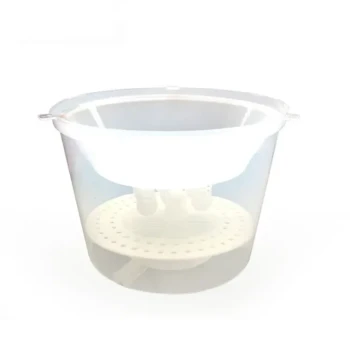
- Removable Plastic Pollen Trap With Ventilated Tray for Bees Pollen Collector
- Plastic Bee Pollen Trap Strips Comb Catcher Collector
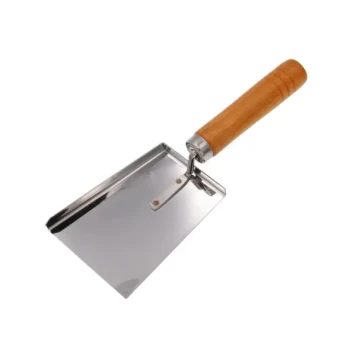
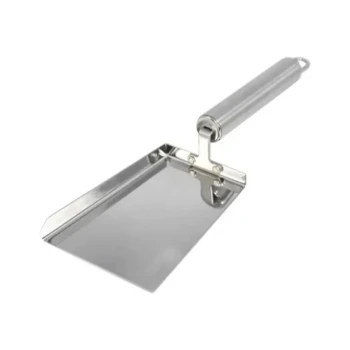
- Stainless Steel Pollen Shovel with Wooden Handle
- High-Efficiency Diamond Maze Bee Escape for Clearing Supers
People Also Ask
- What are the design principles and advantages of pollen traps in the collection of bee pollen? Boost Your Apiary Yield
- Why is frequent harvesting of bee pollen from traps necessary for quality control? Ensure Freshness and Prevent Mold.
- How often should bee pollen be harvested from a trap and why? Master Freshness and Prevent Spoilage
- What function do pollen traps serve in quantitative collection? Boost Your Apiary's Data & Production Efficiency
- What is the primary function of bee pollen traps? Optimize Your Pollen Harvest with Advanced Extraction Efficiency