The primary function of artificial wax cell cups is to act as a biomimetic container that induces the colony to raise new queens. These cups differ from standard hive cells by simulating the specific physical architecture and material composition of a natural queen cell base. This design triggers the nurse bees' instinct to accept the transferred larvae and immediately begin the heavy feeding of royal jelly required for queen development.
By simulating the exact geometry and chemical properties of a natural queen cell, wax cups serve as a bridge between artificial intervention and natural biological response, ensuring high acceptance rates for grafted larvae.
The Mechanics of Inducing Queen Rearing
Simulating the Natural Cell Base
In a natural hive, bees construct distinct cells for queen rearing during swarming or supersedure. Artificial wax cups mimic the shape and depth of these natural queen cell bases. This structural mimicry provides the larvae with a standardized space suspended in royal jelly, mirroring the orientation found in nature.
Triggering the Nurse Bee Impulse
The presence of the wax cup is not merely structural; it is a biological trigger. The specific design induces a rearing impulse in nurse bees. Once the bees recognize the cup as a potential queen cell, they initiate the construction of the cell walls and begin the massive secretion of royal jelly necessary for the larva’s survival and transformation.
The Role of Material Compatibility
Ensuring High Acceptance Rates
Because the cups are crafted from beeswax, their chemical properties are consistent with the colony's internal environment. This chemical compatibility minimizes the risk of the bees rejecting the foreign object. The familiar material signals to the colony that the cup is a natural part of the hive structure, significantly increasing the survival rate of the grafted larvae.
Facilitating Natural Construction
The wax cup serves as a foundation, not just a container. It acts as a base upon which worker bees can seamlessly construct and extend the completed queen cell. Because the base is made of wax, the bees can easily adhere new wax to it, fully integrating the artificial cup into the hive's natural comb structure.
Understanding the Trade-offs
Material Durability vs. Acceptance
While wax cups offer superior biological acceptance due to their natural composition, they are inherently consumable and fragile. Unlike plastic alternatives which are reusable, wax cups are often merged into the final comb structure or damaged during harvest. They prioritize immediate biological success and larval acceptance over long-term equipment reusability.
Standardization Limits
Wax acts as a controlled experimental interface, but it is subject to the bees' manipulation. While the initial shape is standardized, bees may alter the thickness or shape of the wax as they build, whereas plastic cups maintain rigid dimensions. However, this flexibility in wax is often preferred for ensuring the chemical pH and environmental stability of the royal jelly remains undisturbed.
Making the Right Choice for Your Goal
When integrating artificial cell cups into your queen rearing operation, consider your primary objectives:
- If your primary focus is maximum larval acceptance: Prioritize pure beeswax cups, as their chemical consistency with the hive environment induces the strongest feeding response from nurse bees.
- If your primary focus is large-scale production: Utilize these cups within standardized grafting frames to create a modular system that allows for the efficient management of dozens of queens in a single cycle.
Artificial wax cell cups are the essential interface in queen rearing, transforming a manual graft into a biological priority for the colony.
Summary Table:
| Feature | Benefit in Queen Rearing |
|---|---|
| Biomimetic Design | Simulates natural cell geometry to trigger nurse bee rearing instincts. |
| Beeswax Composition | Ensures high chemical compatibility and minimizes colony rejection rates. |
| Foundation Base | Provides a seamless surface for workers to extend and finish queen cells. |
| Larval Environment | Maintains pH stability and ensures heavy feeding of royal jelly. |
Elevate Your Queen Rearing Success with HONESTBEE
Maximize your apiary’s productivity with professional-grade tools designed for biological excellence. HONESTBEE specializes in supporting commercial apiaries and distributors with a comprehensive wholesale selection of beekeeping essentials. From high-acceptance wax cell cups to advanced hive-making and honey-filling machinery, we provide the hardware and consumables needed to scale your operations.
Ready to optimize your production? Contact us today to explore our full spectrum of beekeeping equipment and learn how our industry expertise can drive your business forward.
References
- Aytül Uçak Koç, Mete Karacaoğlu. Effects of queen rearing period on reproductive features of Italian (Apis mellifera ligustica), Caucasian (Apis mellifera caucasica), and Aegean ecotype of Anatolian honey bee (Apis mellifera anatoliaca) queens. DOI: 10.3906/vet-1007-375
This article is also based on technical information from HonestBee Knowledge Base .
Related Products
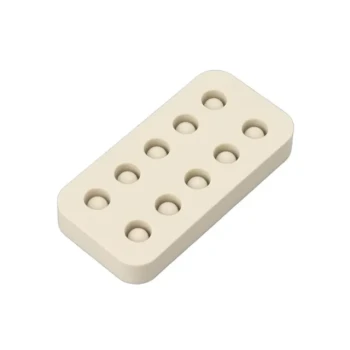
- 10-Cell Silicone Beeswax Bee Queen Cups Forming Mold
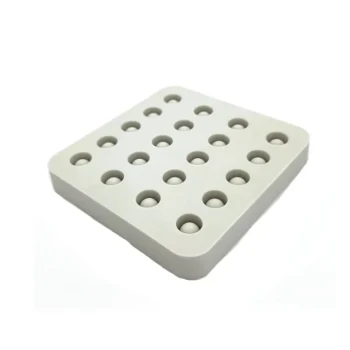
- High-Efficiency 20-Cell Silicone Mold for Beeswax Bee Queen Cup Production
- Clear Black Plain Polystyrene Queen Bee Grafting Cell Cups No Lug for Bee Queen Cup
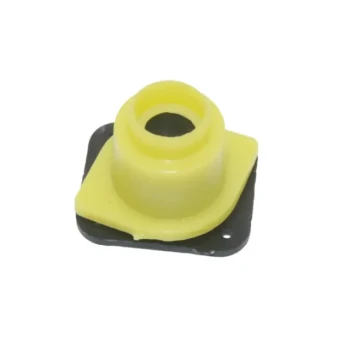
- JZBZ Type Wide Base Plastic Queen Cell Cups for Base Mounting and Queen Rearing
- JZBZ Push-In Queen Cell Cups for Beekeeping
People Also Ask
- How do beeswax queen cell cups function? Optimize Queen Rearing with Biological Mimicry
- What is the biological function of beeswax queen cell cups? Boost Acceptance in Artificial Queen Rearing
- What role do specialized queen rearing tools play in developing mite-resistant honeybee stock? Master Genetic Selection
- What materials are used to make artificial queen cell cups for grafting? Beeswax vs. Plastic Guide
- What roles do specialized queen cell cups play in royal jelly production? Optimize Your Hive's Secretion and Yield