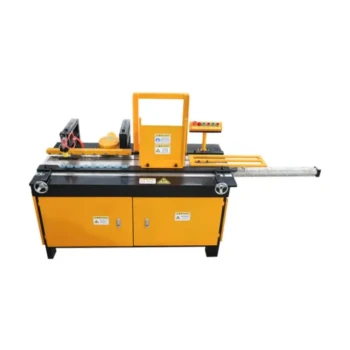
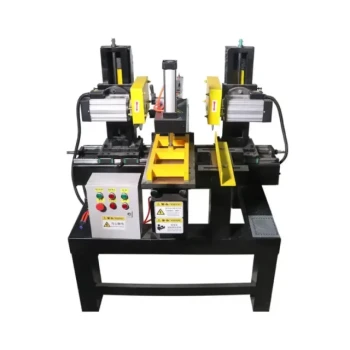
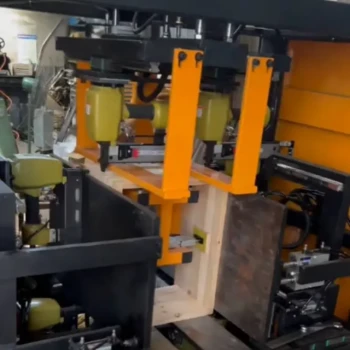
The primary function of industrial hive-making machines is to execute high-precision woodworking that ensures beehive structures strictly adhere to the biological requirements of honeybees. By standardizing the production of modular components, these machines create environments with optimized insulation, ventilation, and critical "bee space" dimensions, which are essential for maximizing colony survival rates and supply efficiency.
The Core Reality: Sustainable beekeeping is not just about the bees; it is about the precision of their habitat. Industrial machinery shifts hive construction from variable craftsmanship to biological exactness, ensuring that every frame and box supports the colony's health and the apiary's operational scalability.
Aligning Hardware with Bee Biology
The most critical contribution of industrial hive-making is the alignment of physical infrastructure with the instinctual behaviors of the colony.
Precision "Bee Space" Control
The primary reference highlights that these machines utilize high-precision woodworking to maintain exact dimensions. This is vital for maintaining proper "bee space"—the specific gap required for bees to move freely.
If the space is too wide, bees build burr comb; if too narrow, they seal it with propolis. Industrial machines eliminate the variance found in manual construction, reducing stress on the colony and minimizing unneeded energy expenditure by the bees.
Optimized Insulation and Ventilation
Beyond dimensions, machine-produced hives are designed to improve colony survival rates. The standardized modular design ensures tight seals and precise ventilation structures.
This improves the hive's ability to maintain thermal regulation, protecting the colony during overwintering and reducing the energy load required to cool the hive in summer.
Disease Reduction
Standardized equipment provides a controlled biological growth environment. By ensuring smooth, uniform internal surfaces and precise fits, these components reduce gaps where pests can hide, effectively lowering the risk of disease transmission among bees.
Operational Efficiency and Scalability
For sustainable production, the biological needs of the bee must balance with the logistical needs of the beekeeper.
Standardization and Interchangeability
Industrial machines produce components—such as frames, bottom boards, and supers—with uniform dimensions. This uniformity is the foundation of commercial scalability.
It allows for the seamless interchangeability of parts between different hives. A frame from Hive A can be moved to Hive B without adjustment, which is critical for colony merging, resource balancing, and replacing damaged parts.
Facilitating Mechanization
The consistency provided by industrial manufacturing allows for the introduction of automated systems. Because every box and frame is identical, beekeepers can utilize mechanized honey extraction and automated maintenance systems.
This significantly enhances the operational efficiency of large-scale apiaries, allowing fewer personnel to manage millions of colonies effectively.
Species-Specific Customization
While standardization is key, these machines also offer the flexibility to customize physical structures for specific species.
For example, the housing requirements for the Italian bee differ from the Oriental honey bee. Industrial machines can be adjusted to mass-produce hives tailored to the specific habits of these different species, optimizing management processes for each.
Understanding the Trade-offs
While industrial hive-making offers significant advantages, it introduces specific constraints that must be managed.
High Capital and Setup Intensity
Implementing industrial-grade machinery requires a significant upfront investment. It shifts the barrier to entry from skill (carpentry) to capital (machinery acquisition), which may not be feasible for small-scale or hobbyist operations.
Rigidity in Design Changes
Once a machine is tooled for a specific standard (e.g., Langstroth dimensions), changing the output to a radically different design requires re-tooling. This favors the mass production of established standards over rapid, experimental iterations of new hive shapes.
Making the Right Choice for Your Goal
When evaluating the role of machine-made hives in your operation, consider your primary objective:
- If your primary focus is Colony Health: Prioritize machine-made hives for their high-precision "bee space" control and superior insulation, which directly improve survival rates.
- If your primary focus is Commercial Scale: Leverage the standardization of these components to ensure equipment interchangeability and enable mechanized honey harvesting.
- If your primary focus is Urban Beekeeping: Utilize the modular design capabilities to create high-density, weather-resistant arrangements suitable for limited spaces like rooftops.
Ultimately, industrial hive-making machines transform the beehive from a simple wooden box into a precision-engineered biological instrument that secures the foundation of sustainable development.
Summary Table:
| Key Feature | Functional Benefit | Impact on Sustainability |
|---|---|---|
| High-Precision Woodworking | Maintains exact "bee space" dimensions | Reduces colony stress and burr comb build-up |
| Modular Standardization | Enables part interchangeability | Facilitates large-scale apiary management |
| Thermal Regulation Design | Optimized insulation and ventilation | Improves overwintering success and colony health |
| Species Customization | Tailored dimensions for specific bee species | Maximizes biological efficiency for Italian/Oriental bees |
| Surface Uniformity | Smooth internal finishes | Reduces pest hiding spots and disease transmission |
Scale Your Apiary with Industrial Precision
At HONESTBEE, we empower commercial apiaries and global distributors by bridging the gap between biological needs and industrial efficiency. From high-precision hive-making machines and automated honey-filling lines to a complete range of beekeeping tools and essential consumables, our portfolio is designed to maximize your operational output.
Whether you are looking to standardize your hive production or source high-quality hardware for distribution, our expert team provides the wholesale solutions you need to lead the industry.
Ready to elevate your beekeeping production?
References
- Vidushi Patel, Bryan Boruff. Why bees are critical for achieving sustainable development. DOI: 10.1007/s13280-020-01333-9
This article is also based on technical information from HonestBee Knowledge Base .
Related Products
- High-Efficiency Pneumatic Bee Hive Making Machine for Rapid Box Assembly
- Beehive Handle and Frame Rest Cutting Machine: Your Specialized Hive Machine
- Beehive Machine Double End Saw for Precision Hive Component Manufacturing
- Mini Desktop Bee Hive Frame Forming Making Machine
- Automatic High-Speed Bee Hive Box Stapling Machine
People Also Ask
- How does the introduction of professional beehive-making machinery benefit sustainable beekeeping? Scale Your Apiary
- Why is specialized beehive-making machinery critical for low-defense breeding? Enhance Selection with Precision Tools
- How does the introduction of specialized beehive making machinery contribute to increasing the scale of regional beekeeping industries?
- What is the importance of specialized beehive making machinery in a circular bio-economy? Build Local Sustainability
- Why is specialized beehive-making machinery essential? Scale Your Apiary with Precision Industrial Standards