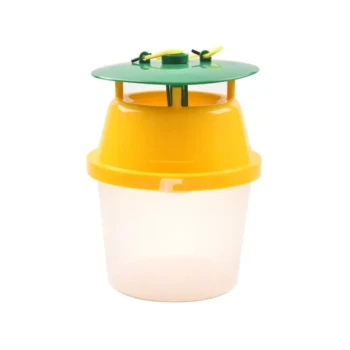
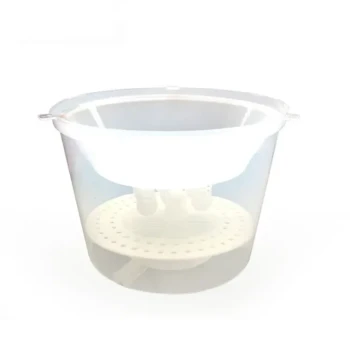
Porch-style pollen traps serve as the primary mechanism for dietary control in honey bee research, physically intercepting foragers at the hive entrance to strip pollen loads before they enter the colony. This hardware allows researchers to collect samples for amino acid and protein analysis while simultaneously creating a controlled nutritional deficit within the hive. By restricting the availability of natural forage, these traps ensure that the colony consumes specific experimental protein supplements, isolating the test diet as the sole variable.
Core Insight: The pollen trap is an instrument of experimental isolation. While it collects natural pollen for baseline analysis, its critical function is to exclude environmental variables, forcing the colony to rely on the specific protein substitutes being tested to measure their true efficacy.
The Mechanics of Dietary Control
Interception and Exclusion
The fundamental operation of a porch-style trap involves mechanically engaging returning foragers at the hive entrance.
By forcing bees to pass through a mesh or grid, the trap dislodges pollen pellets from their legs. This effectively blocks natural protein sources from entering the food stores of the colony.
Forcing Experimental Consumption
In nutrition research, you cannot accurately test a supplement if bees are also eating unknown quantities of wild pollen.
The trap creates a "closed system" relative to protein input. This ensures that the bees primarily consume the specific protein supplements provided by the researcher, such as Azolla pinnata or other substitutes, allowing for a clean assessment of that diet's performance.
Establishing the Nutritional Baseline
Sample Collection for Analysis
Beyond exclusion, the trap acts as a harvesting tool to gather data on the local environment.
Researchers use the collected pellets to perform amino acid profiling and protein content analysis. This establishes the nutritional quality of the "natural" diet the bees would have eaten, providing a benchmark against which the experimental diets are measured.
Comparative Control Groups
To verify the results of a synthetic diet, you must compare it against a "gold standard" control.
The high-purity natural pollen collected by these traps is often processed into pollen patties. These patties act as the positive control in experiments, enabling a direct comparison between the test supplement and the bees' natural food source.
Understanding the Trade-offs
The Risk of Colony Stress
While essential for control, pollen traps impose a significant physiological cost on the colony.
By stripping the hive of its natural protein, you risk inducing nutritional stress or inhibiting brood rearing if the experimental diet is insufficient. The trap must be managed carefully to prevent colony collapse during the study.
Imperfect Exclusion
No mechanical trap is 100% efficient at pollen removal.
Some small pollen loads may still bypass the trap mechanisms. Researchers must account for this variable, understanding that total exclusion of natural pollen is theoretical, though the trap significantly minimizes the volume.
Making the Right Choice for Your Research
To effectively utilize porch-style pollen traps, you must align their usage with your specific data requirements.
- If your primary focus is testing a new feed formulation: Use the trap to create a nutritional blockade, ensuring the colony's health metrics reflect only your supplement and not wild forage.
- If your primary focus is environmental monitoring: Use the trap intermittently to sample dietary diversity and identify botanical sources through palynological (pollen grain) analysis.
Success in nutrition research depends not just on what you feed the bees, but on how effectively you prevent them from feeding themselves.
Summary Table:
| Function | Primary Purpose | Key Benefit for Research |
|---|---|---|
| Dietary Control | Physically intercept natural pollen | Forces bees to consume experimental protein supplements |
| Sample Collection | Gather local pollen pellets | Provides baseline for amino acid and protein analysis |
| Experimental Isolation | Exclude environmental variables | Ensures the test diet is the sole nutritional variable |
| Control Group Prep | Create pure pollen patties | Allows direct comparison against high-purity natural food |
Elevate Your Commercial Apiary with HONESTBEE
Maximize your research precision and operational efficiency with HONESTBEE. We cater specifically to commercial apiaries and distributors, offering a comprehensive wholesale range of high-quality beekeeping tools, machinery, and equipment.
From specialized hardware like hive-making and honey-filling machines to essential industry consumables and honey-themed cultural merchandise, we provide the full spectrum of products needed to succeed in the modern beekeeping industry.
Ready to scale your operations or refine your research? Contact HONESTBEE today to explore our wholesale solutions and see how our expertise can benefit your business.
References
- Gloria DeGrandi‐Hoffman, Emily Watkins de Jong. Honey bee colonies provided with natural forage have lower pathogen loads and higher overwinter survival than those fed protein supplements. DOI: 10.1007/s13592-015-0386-6
This article is also based on technical information from HonestBee Knowledge Base .
Related Products
- 30 cm Plastic Entrance Hole Bee Pollen Trap and Collector
- Removable Plastic Pollen Trap With Ventilated Tray for Bees Pollen Collector
- Plastic Bee Pollen Trap Strips Comb Catcher Collector
- High-Efficiency Diamond Maze Bee Escape for Clearing Supers
- Professional Bucket Style Wasp and Moth Pheromone Trap
People Also Ask
- What are the design principles and advantages of pollen traps in the collection of bee pollen? Boost Your Apiary Yield
- Why is frequent harvesting of bee pollen from traps necessary for quality control? Ensure Freshness and Prevent Mold.
- How often should bee pollen be harvested from a trap and why? Master Freshness and Prevent Spoilage
- What function do pollen traps serve in quantitative collection? Boost Your Apiary's Data & Production Efficiency
- What is the primary function of bee pollen traps? Optimize Your Pollen Harvest with Advanced Extraction Efficiency