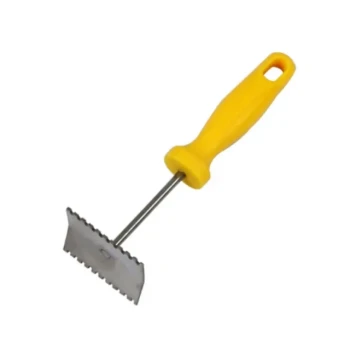
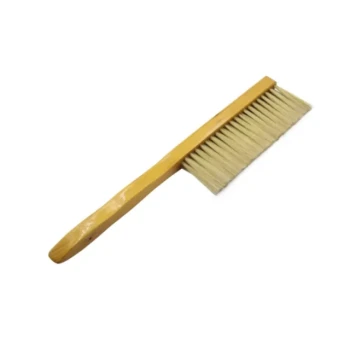
The primary function of regular physical hive cleaning is to act as a preventative barrier against pest infestation. By systematically removing debris from the hive floor and clearing external contaminants, you directly disrupt the egg-laying and parasitic environments of intruders like wax moths, ants, and spiders. This maintenance is a fundamental, low-cost strategy to preserve colony strength and prevent the bees from abandoning the hive.
By manually removing the organic debris that pests utilize for breeding, you eliminate the threat at its source, significantly reducing the risk of colony absconding without the use of chemical treatments.
The Mechanics of Pest Disruption
Breaking the Reproductive Cycle
Pests rarely invade a hive arbitrarily; they are often drawn to specific environmental conditions that favor their reproduction.
Debris accumulated on the hive floor provides an ideal substrate for pests to hide and lay eggs.
Physical cleaning removes this material, effectively dismantling the breeding ground before a population can establish itself.
Targeting Specific Intruders
This method is explicitly cited as a primary defense against wax moths, ants, and spiders.
These organisms rely on neglected, cluttered corners of the hive to thrive.
By keeping these areas clear, you deny them the shelter they require to parasitize the colony.
Impact on Colony Stability
Preventing Absconding
Pest pressure is a significant stressor that can force a colony to migrate, a behavior known as absconding.
If the hive environment becomes too toxic or overrun by pests, the bees will leave to find a safer location.
Regular cleaning reduces this pressure, making the hive a stable and desirable home for the bees.
Cost-Effective Management
Physical cleaning is classified as a low-cost technical means of control.
It relies on labor and routine rather than expensive chemical inputs or complex equipment.
This makes it an accessible strategy for maintaining colony strength regardless of budget.
Understanding the Trade-offs
The Requirement of Consistency
Physical cleaning is a maintenance strategy, not a one-time cure.
Its effectiveness relies entirely on the beekeeper's discipline to perform the task regularly.
Missing a cleaning cycle can allow debris to build up quickly, giving pests a window of opportunity to return and lay eggs.
Prevention vs. Cure
This method is primarily defensive.
While it disrupts the environment to prevent infestation, it may not be sufficient to save a colony that is already heavily infested and collapsing.
It works best when applied proactively rather than reactively.
Making the Right Choice for Your Goal
To maximize the health of your apiary, view cleaning not just as a chore, but as a technical pest management strategy.
- If your primary focus is Pest Exclusion: Regularly clear the hive floor to destroy the egg-laying habitats of wax moths and ants.
- If your primary focus is Colony Retention: Maintain a contaminant-free environment to lower stress levels and minimize the likelihood of absconding.
A clean hive is a stable hive, providing the foundation necessary for a strong and productive colony.
Summary Table:
| Cleaning Function | Impact on Pests | Benefit to Colony | Cost Level |
|---|---|---|---|
| Debris Removal | Disrupts egg-laying & breeding | Prevents infestation of wax moths/ants | Low Cost |
| Floor Clearing | Eliminates parasitic environments | Reduces stress & prevents absconding | Low Cost |
| External Maintenance | Limits entry of spiders & intruders | Maintains high colony strength | Low Cost |
| Routine Maintenance | Breaks reproductive cycles | Ensures long-term hive stability | Low Cost |
Scaling Your Beekeeping Success with HONESTBEE
At HONESTBEE, we understand that maintaining a clean and productive apiary is a labor-intensive commitment. We specialize in empowering commercial apiaries and distributors with the high-performance tools and machinery needed to streamline hive maintenance and maximize honey production.
Our comprehensive wholesale range includes:
- Advanced Machinery: From precision hive-making equipment to high-speed honey-filling machines.
- Durable Hardware: A full spectrum of beekeeping tools and hive components built for heavy commercial use.
- Essential Consumables: A wide array of industry-standard supplies to keep your colonies thriving.
- Merchandise: Unique honey-themed cultural products to diversify your retail offerings.
Whether you are scaling your operations or looking for a reliable wholesale partner for your distribution business, HONESTBEE delivers the quality and value you need to succeed. Contact us today to explore our full catalog and wholesale pricing!
References
- Abdulahi Mahamed, Aden Omer. Traditional Management Practices and Production Potential of Beekeeping in Erer Zone of Somali Regional State, Ethiopia. DOI: 10.51227/ojafr.2022.22
This article is also based on technical information from HonestBee Knowledge Base .
Related Products
- Precision Stainless Steel Frame Cleaner for Hive Grooves and Corners
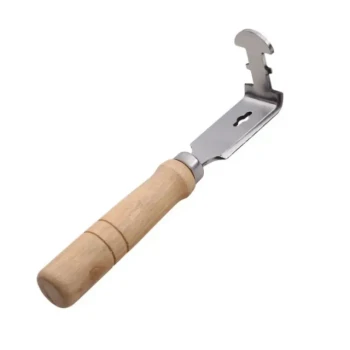
- Professional Stainless Steel Frame Cleaner with Ergonomic Wood Handle
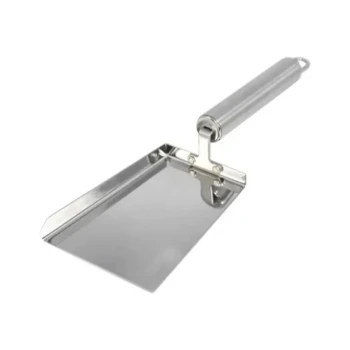
- Heavy-Duty Ergonomic Stainless Steel Pollen Shovel
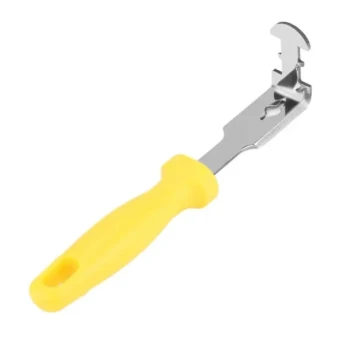
- Heavy Duty Stainless Steel Frame Cleaner with Plastic Handle
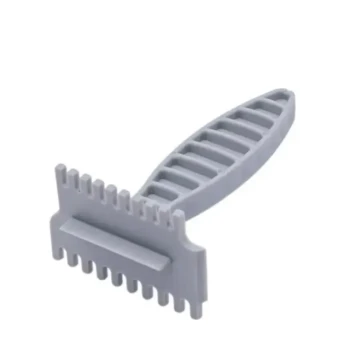
- Lightweight Durable Plastic Queen Excluder Scraper for Beekeeping
People Also Ask
- What tools are recommended for cleaning hive frames? Top 4 Essential Maintenance Tools for Beekeepers
- What is the function of a professional stainless steel hive tool in IFB? Optimize Your Colony Strength Assessment
- What are the primary functions of a stainless steel hive tool? Essential Equipment for Professional Beekeeping
- Which technical challenges in hive maintenance are addressed by using a professional stainless steel hive tool?
- What are the primary functions of a stainless steel hive tool? Essential Tips for Efficient Apiary Maintenance