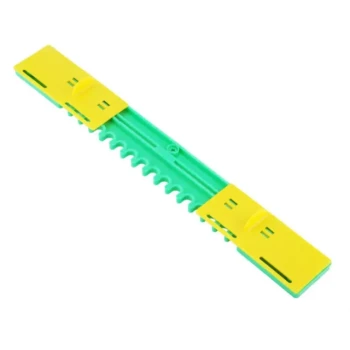
The primary function of Shading Structures for Beehives is to mitigate environmental stress by blocking intense direct sunlight. These structures serve as a physical barrier against solar radiation, significantly reducing the thermal load on the colony. By preventing internal overheating, they maintain a stable environment essential for commercial apiary management.
Shading structures function as an external energy management system for the colony. By passively regulating temperature, they lower the biological cost of cooling, freeing up the workforce to focus on foraging and production rather than survival.
Mechanisms of Environmental Control
Regulating Internal Temperature
The core purpose of these structures is to reduce ambient thermal radiation. Without this protection, direct sun exposure drives internal hive temperatures to dangerous levels. Shading structures intervene by intercepting solar energy before it strikes the hive surface, ensuring the microclimate within the hive remains stable despite external weather fluctuations.
Reducing Thermoregulatory Labor
Bees must actively manage their hive's temperature. When a hive overheats, worker bees are forced to stop productive tasks to fan the hive for cooling. Shading structures minimize the energy bees must expend on thermoregulation. This reduction in labor intensity allows the colony to preserve metabolic energy for other critical activities.
Improving Energy Allocation
Colony efficiency is a zero-sum game regarding energy. By lowering the workload required for cooling, the colony can reallocate energy toward foraging and brood-rearing. This shift from defensive climate control to offensive resource gathering is vital for maximizing the productive output of the apiary.
Asset Preservation and Risk Management
preventing Structural Failure
High temperatures pose a physical threat to the hive's infrastructure. Excessive heat can cause beeswax to melt, destroying the honeycomb structure. Shading structures act as a primary defense against this catastrophic hardware failure, ensuring the internal architecture of the hive remains intact.
Preventing Colony Absconding
Heat stress affects bee behavior as much as bee biology. If the internal environment becomes untenable, a colony may "abscond," or abandon the hive entirely. By maintaining a habitable temperature range, shading structures protect apiary assets by preventing colony loss due to environmental stress.
Understanding the Trade-offs
External vs. Internal Protection
While shading structures are effective at managing solar load, they are not a complete solution for hive protection. They regulate temperature from the outside, but they do not replace the need for standardized wooden hives which provide necessary internal thermal insulation and moisture regulation.
Shading vs. Surface Treatment
It is critical to distinguish between shading and surface treatments like painting. Shading prevents overheating, but it does not protect the wood from rot or pests. Protective painting (specifically green paint for pest deterrence) is still required to extend the equipment's lifespan and prevent infestation. Shading handles the sun; paint handles the pests and the elements.
Making the Right Choice for Your Goal
To optimize your apiary management strategy, consider your specific operational priorities:
- If your primary focus is maximizing honey production: Implement shading to reduce fanning labor, allowing a larger percentage of your workforce to engage in foraging activities.
- If your primary focus is asset security: Use shading to prevent the financial loss associated with melted wax combs and colony absconding during peak summer heat.
Effective apiary management requires integrating shading structures to transform a high-stress environment into a stable, high-production workspace.
Summary Table:
| Key Function | Primary Benefit | Impact on Productivity |
|---|---|---|
| Thermal Regulation | Blocks direct solar radiation | Maintains stable internal microclimate |
| Labor Reduction | Minimizes active fanning by bees | Reallocates energy to foraging and brood-rearing |
| Asset Protection | Prevents beeswax melting | Preserves hive infrastructure and prevents absconding |
| Energy Management | Lowers metabolic cooling costs | Increases overall honey production efficiency |
Maximize Your Apiary’s Yield with HONESTBEE Professional Solutions
Protect your investment and boost colony performance with high-quality equipment from HONESTBEE. As a premier partner for commercial apiaries and distributors, we provide more than just tools—we deliver a competitive edge through our comprehensive wholesale catalog.
Our expertise covers the full spectrum of beekeeping needs, including:
- Advanced Machinery: From precision hive-making to industrial honey-filling machines.
- Premium Hardware: Durable beekeeping tools and specialized equipment designed for scale.
- Essential Consumables: A wide array of high-demand industry supplies and honey-themed cultural merchandise.
Whether you are scaling a commercial operation or stocking a distribution network, HONESTBEE ensures your colonies stay productive and your infrastructure remains secure.
Ready to upgrade your apiary management? Contact us today to explore our wholesale offerings!
References
- ahmed ali bilal, M A Khalaf. Economic evaluation of honeybee breeding projects in Anbar province productive season (2011-20012). DOI: 10.32649/ajas.2014.98289
This article is also based on technical information from HonestBee Knowledge Base .
Related Products
- Professional Galvanized Steel Frame Rest for Beehives
- Inner Beehive Cover for Beekeeping Bee Hive Inner Cover
- Wooden Bee Hive Frames for Beekeeping and Wholesale
- HONESTBEE Wired and Assembled Wooden Bee Frames Foundation for a Thriving Hive
- Assembled Wooden Bee Frames with Plastic Foundation for Durability and Convenience by HONESTBEE
People Also Ask
- What are the standard dimensions for frame rests in a beehive? Essential Guide for Perfect Bee Space
- How does balancing the number of frames impact hive productivity? Optimize Your Apiary's Biological Output
- What are the main considerations when choosing between wooden and plastic bee hive frames? Optimize Your Apiary's Efficiency
- How do wooden and plastic hive frames compare in terms of durability? Wood vs. Plastic Longevity & Repairability
- What are the main types of beehive frames used in modern beekeeping? Find the Perfect Fit for Your Apiary