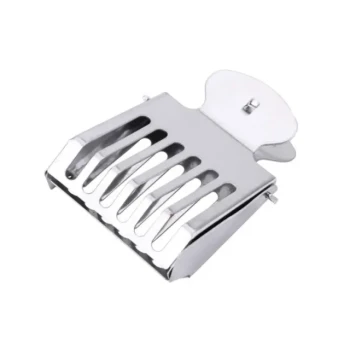
The primary function of specialized bait boxes in meliponiculture is to act as artificial nesting sites that mimic natural habitats, such as tree hollows, to safely capture stingless bee swarms. When used in combination with attractants, these devices enable the non-destructive collection of wild colonies, serving as the essential hardware foundation for expanding your apiary sustainably.
Specialized bait boxes facilitate the transition from wild foraging to managed beekeeping. They allow for the collection of genetic stock without damaging the natural ecosystem, ensuring sustainable production.
The Mechanics of Simulation
To understand the value of a bait box, you must view it not just as a container, but as a simulated environment.
Mimicking Natural Hollows
Stingless bees naturally seek out protected cavities, often found in tree trunks, to establish their colonies.
Specialized bait boxes are engineered to simulate these natural tree hollows. By replicating the spatial and protective qualities of a natural nest, the box presents itself as an "ideal lodging space" to scouting bees.
The Role of Attractants
While the box provides the structure, it rarely works in isolation.
The primary reference notes that these boxes are used "in conjunction with attractants." This chemical signaling is crucial to draw swarms away from natural options and toward your artificial trap.
The Strategic Value of Non-Destructive Trapping
The shift to bait boxes represents a maturity in beekeeping practices, moving away from extraction toward management.
Preserving the Ecosystem
Traditional methods of collecting wild bees often involve cutting into trees or damaging structures to access the hive.
Bait boxes facilitate "non-destructive collection." This ensures that the surrounding flora remains intact, preserving the very environment the bees rely on for forage.
A Foundation for Expansion
For the meliponiculturist, the bait box is the starting point of production.
It serves as the "critical hardware foundation" for increasing apiary populations. By standardizing the capture method, you can achieve scalable, sustainable growth rather than relying on opportunistic finds.
Understanding the Trade-offs
While bait boxes are the standard for sustainable expansion, they are not magic solutions.
Dependency on Location and Lure
A bait box is only a vessel; its success is heavily dependent on external factors. As noted, it requires the correct attractants to function effectively. Without the proper scent cues, the simulation of a natural hollow may fail to convince the swarm.
The Limitation of Simulation
The goal is to provide an "ideal lodging space," but "ideal" is subjective to the bees. The box is an artificial substitute. If the thermal properties or dimensions do not adequately mirror the protection of a tree hollow, the swarm may reject the trap in favor of a natural cavity.
Integrating Bait Boxes into Your Apiary Strategy
To use these tools effectively, align your usage with your broader goals.
- If your primary focus is sustainability: Rely exclusively on bait boxes for new stock to ensure zero impact on natural tree cavities and wild nesting sites.
- If your primary focus is rapid expansion: Deploy these boxes systematically with high-quality attractants to create a predictable pipeline of new colonies.
By mastering the use of bait boxes, you convert the unpredictable nature of wild swarming into a controlled, sustainable asset for your apiary.
Summary Table:
| Feature | Purpose in Bait Box Function | Benefit to Meliponiculturist |
|---|---|---|
| Structural Simulation | Mimics natural tree hollows and cavities | Provides an ideal, protected lodging space for scouts |
| Attractant Synergy | Uses chemical signaling/lures | Increases success rate of drawing swarms to the box |
| Non-destructive Design | Captures bees without harming trees | Ensures sustainable expansion and ecosystem preservation |
| Hardware Standard | Serves as the starting point for production | Creates a scalable foundation for managed apiary growth |
Scale Your Apiary with HONESTBEE Professional Solutions
At HONESTBEE, we understand that high-quality hardware is the backbone of successful meliponiculture. We cater specifically to commercial apiaries and distributors, providing a comprehensive wholesale range of beekeeping tools, specialized bait boxes, and essential industry consumables.
Whether you need precision-engineered hive-making equipment, honey-filling machinery, or honey-themed cultural merchandise to expand your brand, we offer the expertise and supply chain reliability your business needs to thrive.
Ready to elevate your production? Contact us today to discuss wholesale opportunities and custom equipment solutions.
References
- Marcelo Fernandes Pacheco Dias, Eliane Macedo Sobrinho Santos. Beekeeping and Meliponiculture: A Sweet Look At The Women of The Jequitinhonha River Valley. DOI: 10.24857/rgsa.v19n4-026
This article is also based on technical information from HonestBee Knowledge Base .
Related Products
- Australian Langstroth Beehive Boxes for Beekeeping Wholesales
- Plastic Transporting Bee Packages and Nuc Boxes for Beekeeping
- Langstroth Honey Bee Box Hive Boxes for Different Depths
- Styrofoam Mini Mating Nuc Box with Frames Feeder Styrofoam Bee Hives 3 Frame Nuc Box
- HONESTBEE Collapsible Tiered Bee Swarm Catcher for Beekeeping
People Also Ask
- What are the primary advantages of using standardized Langstroth boxes? Scale Your Commercial Beekeeping Operation
- What are the differences between the three standard depths of Langstroth boxes? Choose the Best Size for Your Apiary
- What role do standardized Langstroth boxes play in commercial apiary management and honey bee research? | HONESTBEE Guide
- How many beehive boxes are needed when starting a new hive? A Guide to Proper Hive Setup
- What are the disadvantages of using a combination of deep and medium boxes? Avoid Costly Incompatibility Issues