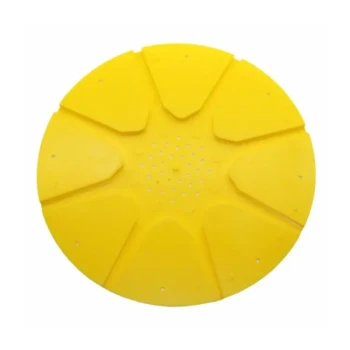
The primary function of this combination is to simulate the presence of a queen bee to attract and capture drones for genetic analysis. By placing high-position traps (such as William's traps) in specific flight zones and baiting them with synthetic pheromones like 9-oxodecenoic acid, researchers can effectively draw in male honeybees. This exploits the drone's natural mating instinct to secure samples from the local population.
By mimicking queen pheromones at high altitudes, this method allows researchers to gather representative genetic samples from an entire local population without the logistical burden of locating hidden wild colonies.
The Mechanics of Attraction
Simulating the Queen
The core of this method relies on chemical signaling. The synthetic pheromone, specifically 9-oxodecenoic acid, acts as a precise olfactory lure.
It tricks the drones into perceiving the presence of a virgin queen, triggering their instinctive pursuit behaviors.
Targeting Drone Congregation Areas
Drones do not fly randomly; they gather in specific aerial locations known as Drone Congregation Areas (DCAs).
High-position traps are elevated to intercept these specific mating flight paths, ensuring the equipment is placed exactly where the targets naturally aggregate.
Why This Sampling Method Matters
Overcoming Detection Barriers
Locating every wild honeybee colony in a dense forest or rugged terrain is notoriously difficult and often impossible.
This method bypasses the need for visual detection of hives. Instead of finding the colony, the researcher attracts the colony's representatives to a central point.
Ensuring Genetic Representativeness
Because drones from many different surrounding colonies aggregate in a single DCA, catching them there provides a broad genetic snapshot of the area.
This ensures the data collected accurately reflects the true diversity of the local population, rather than just a few easily accessible hives.
Critical Considerations for Success
Dependence on Location Accuracy
The effectiveness of this system relies entirely on correctly identifying a Drone Congregation Area.
Placing traps outside these specific zones will likely yield poor results, regardless of the potency of the synthetic pheromone used.
Specificity of Equipment
Success requires specific tools designed for this exact purpose, such as William's traps.
Generic insect traps or ground-level placement often fail to capture drones, as they do not simulate the specific altitude and entry mechanics of a mating flight.
Making the Right Choice for Your Research
When designing a field study, consider how this sampling method aligns with your data requirements:
- If your primary focus is population genetics: Use this method to aggregate DNA from multiple unseen colonies to build a comprehensive genetic profile of the region.
- If your primary focus is operational efficiency: Deploy these traps to significantly reduce the labor and time typically required to track and locate individual wild hives.
Leveraging the biological imperative of the drone allows for high-fidelity genetic monitoring with minimal disturbance to the ecosystem.
Summary Table:
| Feature | Description | Benefit |
|---|---|---|
| Bait Source | Synthetic 9-oxodecenoic acid | Effectively mimics a virgin queen to attract drones |
| Trap Type | High-position (e.g., William's Trap) | Intercepts drones at specific mating flight altitudes |
| Target Location | Drone Congregation Areas (DCAs) | Ensures capture from multiple colonies in one spot |
| Data Output | Genetic Snapshot | Provides a broad overview of local population diversity |
Elevate Your Beekeeping Operations with HONESTBEE
Are you looking to enhance your apiary’s genetic monitoring or scale your distribution capabilities? HONESTBEE is a leading global supplier dedicated to supporting commercial apiaries and industry distributors. We provide everything from precision-engineered beekeeping tools and machinery to essential consumables and specialized hardware like honey-filling machines.
Whether you need advanced equipment for field research or high-quality supplies for commercial production, our comprehensive wholesale offering is designed to drive your success.
Ready to optimize your yield and efficiency? Contact us today to explore our full product range and see how our expertise can benefit your business.
References
- Mogbel A. A. El‐Niweiri, H. Michael G. Lattorff. The Invasion of the Dwarf Honeybee, Apis florea, along the River Nile in Sudan. DOI: 10.3390/insects10110405
This article is also based on technical information from HonestBee Knowledge Base .
Related Products
- HONESTBEE Professional Telescopic Pole Bee Swarm Catcher
- HONESTBEE Collapsible Tiered Bee Swarm Catcher for Beekeeping
- High-Efficiency Diamond Maze Bee Escape for Clearing Supers
- 30 cm Plastic Entrance Hole Bee Pollen Trap and Collector
- Reusable Clear Small Hive Beetle Traps for Beehives Beetle Trapping Tools
People Also Ask
- What should be done if the swarm is situated on the bottom of a tree limb? A Guide to Methodical Bee Capture
- What role do swarm catchers play in maintaining the production scale of an apiary? Turn Colony Loss into Growth.
- What information should be gathered before attempting to catch a swarm of bees? A Safe and Successful Guide
- What precautions can be taken to prevent a newly captured swarm from absconding? Secure Your Swarm with Proven Methods
- What role does a Swarm Catcher play in the process of expanding apiary colony scale? Optimize Growth & Reduce Costs