The primary purpose of the brood cage introduction method is to capitalize on the biological naïveté of newly emerged bees. By confining the new queen over a section of comb with hatching brood, you ensure that the first bees she interacts with have no prior experience with another queen. These young bees accept her immediately, forming a loyal retinue that significantly increases the probability of the entire colony accepting her upon release.
The success of this method relies on the principle that young bees possess no prior allegiance. By allowing them to emerge in the presence of the new queen, you create a safe, supportive environment that bridges the gap between the new queen and the established colony.
The Mechanics of Acceptance
The Role of "Naïve" Bees
The core mechanism of this method is the behavior of the newly emerged bees. Unlike older worker bees, these hatchlings do not display aggression toward a foreign queen.
Because they are born inside the cage with the new queen, they imprint on her pheromones immediately. They view her as their only queen from the moment of their birth.
Establishing a Safe Nucleus
Once these young bees accept the queen, they begin to care for her. They feed her, groom her, and prepare cells for her to lay eggs.
This creates a functioning "micro-colony" within the cage. When you eventually release the queen, she is already surrounded by a cluster of her own accepting nurse bees, which protects her from the aggression of the older colony members.
Acclimatization and Laying
This process typically takes several days. During this time, the queen often begins laying eggs in the empty cells provided under the cage.
A queen that is already laying is generally more attractive to a colony and harder for them to reject than a queen who is merely confined in a shipping cage.
Executing the Method Correctly
Selecting the Right Comb
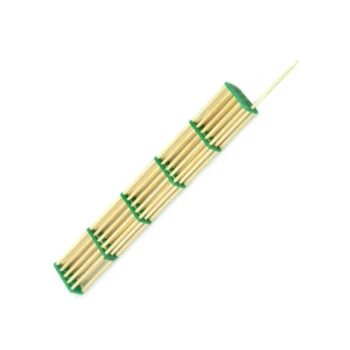
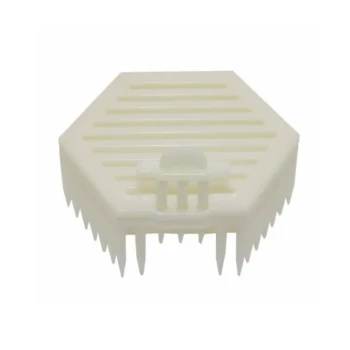
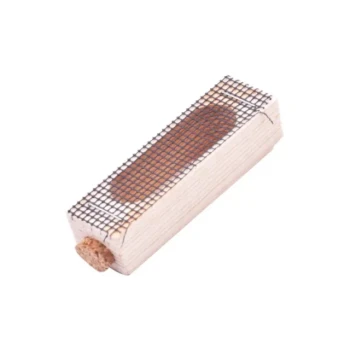
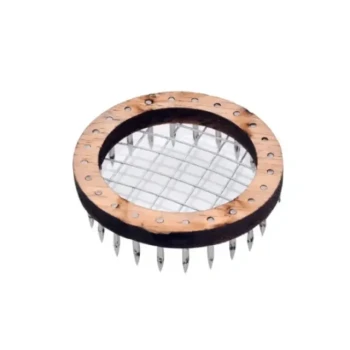
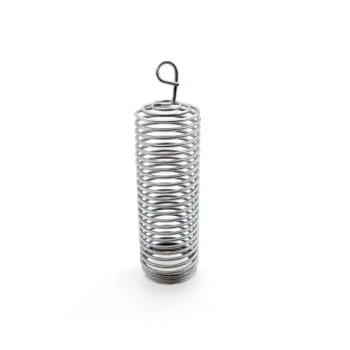
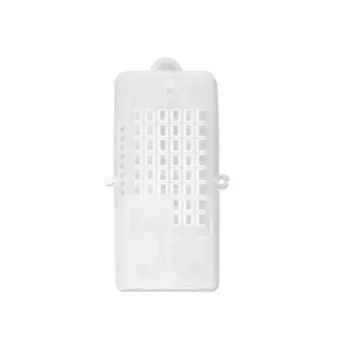
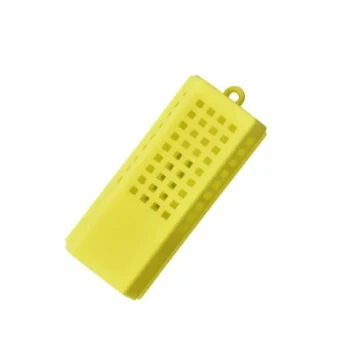
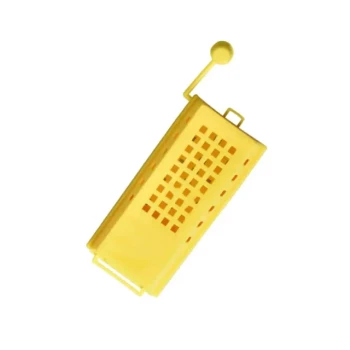
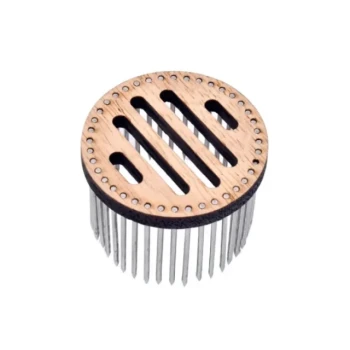
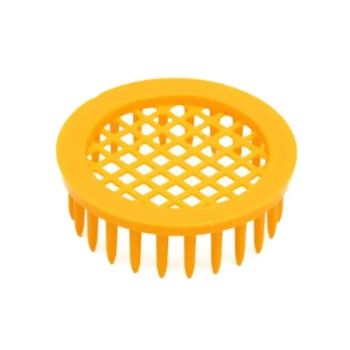
To ensure success, the cage (often called a push-in or press-in cage) must be placed over a specific area of the comb.
You must select an area containing capped brood that is on the verge of emerging.
Providing Resources
The enclosed area must also include open cells for the queen to lay eggs in once she settles.
Crucially, the cage must cover a few cells of honey or nectar. This ensures the queen has immediate access to food before the first nurse bees hatch to feed her.
Exclusion of Adult Bees
When placing the cage, it is critical to ensure no adult bees from the existing colony are trapped inside.
Adult bees may attack the new queen. The environment inside the cage should be reserved strictly for the queen and the brood that will hatch to support her.
Understanding the Trade-offs and Pitfalls
Installation Risks
The physical installation of a brood cage requires precision. You must press the cage into the comb tightly to prevent gaps.
If the comb is uneven or the cage is not flush, aggressive worker bees can squeeze under the wire and kill the queen.
Comb Damage
Pressing a metal or plastic screen into the wax destroys the cells along the perimeter of the cage. While the bees will repair this, it is more invasive than using a standard shipping cage.
Time Investment
This is not a "drop and go" method. It requires finding the perfect patch of comb (brood + honey + empty cells) and returning days later to verify egg laying before removing the cage.
Making the Right Choice for Your Goal
This method is widely considered one of the safest ways to introduce a queen, but it requires effort.
- If your primary focus is protecting a high-value queen: Use the brood cage method. The high acceptance rate justifies the extra time and manipulation required.
- If your primary focus is speed and convenience: A standard shipping cage introduction may suffice, though it carries a higher risk of rejection by the colony.
- If your primary focus is fixing a laying worker hive: This method is often the only effective option, as the emerging bees will accept the queen even when the confused older workforce would not.
By leveraging the natural acceptance of young bees, you turn a hostile introduction into a natural integration.
Summary Table:
| Feature | Brood Cage Method Details |
|---|---|
| Primary Goal | Leveraging 'naïve' bees for 100% initial acceptance |
| Key Mechanism | Hatching brood imprints on queen pheromones immediately |
| Success Factor | Queen starts laying eggs before full colony release |
| Comb Selection | Must include capped brood, honey, and empty cells |
| Best For | High-value queens, laying worker hives, and difficult colonies |
Secure Your Apiary’s Success with HONESTBEE
Successful queen introduction is the backbone of a productive hive. At HONESTBEE, we empower commercial apiaries and distributors with the professional tools needed for precision beekeeping. From specialized push-in cages to advanced beekeeping machinery and hive-making equipment, we provide the full spectrum of hardware and consumables required to scale your operations.
Whether you are managing thousands of colonies or supplying the industry, our wholesale solutions are designed for durability and efficiency. Discover how our comprehensive portfolio—including honey-filling machines and themed merchandise—can add value to your business.
Contact HONESTBEE Today for Wholesale Pricing
Related Products
- Langstroth Honey Bee Box Hive Boxes for Different Depths
- Australian Langstroth Beehive Boxes for Beekeeping Wholesales
- Assembled Wooden Bee Frames with Plastic Foundation for Durability and Convenience by HONESTBEE
- Professional Bamboo Queen Isolation Cage
- Hexagonal Direct Comb Introduction Queen Bee Cage
People Also Ask
- What role do standardized Langstroth boxes play in commercial apiary management and honey bee research? | HONESTBEE Guide
- What are the primary advantages of using standardized Langstroth boxes? Scale Your Commercial Beekeeping Operation
- What are the differences between the three standard depths of Langstroth boxes? Choose the Best Size for Your Apiary
- What are the typical uses for the different box sizes in a Langstroth hive? Master Hive Management & Efficiency
- What features of Langstroth hive boxes contribute to expandability and honey yield? Maximize Your Apiary Production