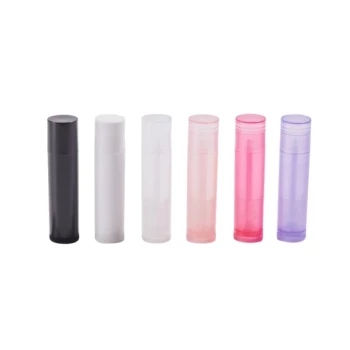
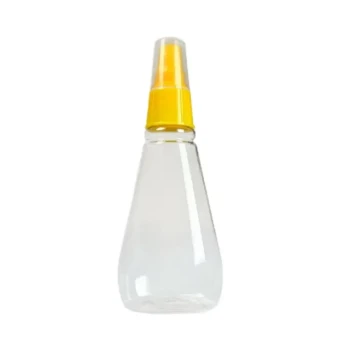
The primary purpose of using disposable sterile sampling tubes is to ensure the biosafety and chemical purity of the honey sample during the collection process. These specialized tubes act as a safeguard against the introduction of external microbial contamination and chemical cross-contamination, which could otherwise skew test results. By maintaining this sterile environment, the tubes guarantee that subsequent laboratory analysis accurately reflects the true antibiotic residue levels present in the original source.
Accurate detection of antibiotic residues relies fundamentally on the pristine condition of the sample at the moment of collection. Disposable sterile tubes isolate the honey from environmental interference, ensuring that laboratory data is a direct reflection of the product's quality rather than a result of handling errors.
Preserving Chemical and Biological Integrity
Eliminating Chemical Cross-Contamination
The most critical function of a disposable tube is to prevent chemical cross-contamination. Even trace amounts of chemicals from cleaning agents or previous samples in a reusable container can alter the chemical profile of the honey.
By using a fresh, sterile tube for every sample, you ensure that the detected antibiotic residues originate strictly from the honey itself. This eliminates variables that could lead to false positives or inaccurate concentration readings.
Preventing Microbial Interference
Honey samples are susceptible to external microbial contamination from the environment or handling equipment. Introducing foreign bacteria or yeast can degrade the sample matrix over time.
Sterile tubes provide a bio-safe environment that locks out these external contaminants. This ensures the biological stability of the sample remains intact until it reaches the laboratory.
Ensuring Stability During Transport
The Importance of High Sealing Performance
Beyond sterility, these tubes are designed with high sealing performance. This creates a physical barrier that maintains the physical stability of the honey during transit.
A compromised seal allows for leakage or the ingress of external moisture. Because honey is hygroscopic (absorbs moisture from the air), a poor seal can alter the sample's water content and potentially dilute chemical markers.
Protecting Against Secondary Spoilage
Effective sealing coupled with sterility prevents secondary contamination, such as fermentation or spoilage caused by environmental exposure.
If a sample spoils or ferments during transport, the chemical composition changes. This degradation renders the sample useless for precise antibiotic residue analysis.
Understanding the Trade-offs
The Cost of Disposability
The reliance on disposable tubes creates a continuous operational cost compared to reusable glassware. There is also an environmental consideration regarding plastic waste generation.
The Risk of Reusable Alternatives
However, the trade-off favors disposables because validating the cleaning process for reusable containers is difficult and risky. If sterilization of a reusable container fails, the cost of a ruined batch analysis or a false regulatory violation far outweighs the cost of a single-use tube.
Making the Right Choice for Your Goal
To ensure your sampling process yields valid data, consider your specific objectives:
- If your primary focus is Regulatory Compliance: Prioritize the use of certified sterile, single-use tubes to negate any arguments regarding cross-contamination during audits.
- If your primary focus is Sample Transport: Ensure the tubes selected have industrial-grade sealing mechanisms to prevent moisture absorption and physical leakage over long distances.
The integrity of your final analysis is never better than the quality of your sampling technique; sterile disposables are the industry standard for bridging the gap between field collection and laboratory precision.
Summary Table:
| Feature | Primary Purpose | Benefit for Honey Sampling |
|---|---|---|
| Sterility | Prevents microbial interference | Protects sample biological stability and avoids degradation. |
| Single-use Design | Eliminates chemical cross-contamination | Ensures residues detected are from the honey, not cleaning agents. |
| High Sealing Performance | Physical barrier & moisture protection | Prevents leakage and hygroscopic moisture absorption during transport. |
| Certified Bio-safety | Regulatory compliance | Provides a defensible, audit-ready chain of custody for lab analysis. |
Secure Your Honey Quality with HONESTBEE
At HONESTBEE, we understand that for commercial apiaries and distributors, the integrity of your honey is your reputation. As a leading provider of comprehensive beekeeping solutions, we offer a full spectrum of professional tools and consumables designed to protect your product from hive to market.
From high-performance disposable sampling equipment to specialized honey-filling machines and industrial hive-making hardware, HONESTBEE delivers the reliability that wholesale operations demand. Whether you are scaling your honey production or ensuring rigorous quality control, our team is ready to support your growth with expert machinery and premium supplies.
Ensure your results are always accurate. Contact HONESTBEE today to discuss our wholesale equipment solutions and how we can add value to your commercial beekeeping business!
References
- Sema Ağaoğlu, Nazlı Ercan. Antibiotic Residues in Filtered Honeys. DOI: 10.24925/turjaf.v8i11.2408-2415.3687
This article is also based on technical information from HonestBee Knowledge Base .
Related Products
- Heavy-Duty Ergonomic Grip Galvanized Pollen Shovel
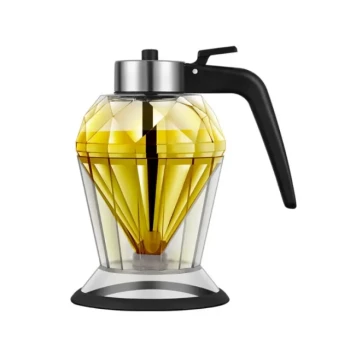
- Premium Diamond-Faceted Glass Honey Dispenser
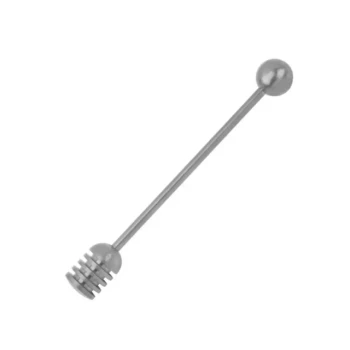
- Heavy Duty 304 Stainless Steel Honey Dipper
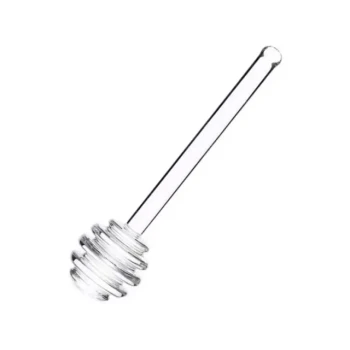
- Professional Plastic Honey Dipper for Easy Honey Drizzling
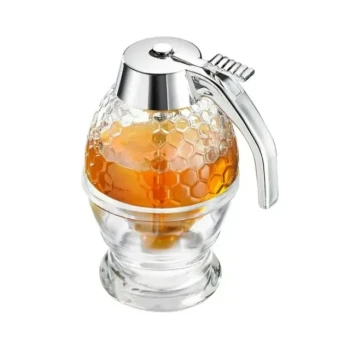
- Honeycomb Style Drip Free Honey Dispenser
People Also Ask
- For what reasons do beekeepers collect bee pollen? Boost Hive Health and Unlock New Revenue Streams
- Why should commercial apiaries focus on the collection of diversified bee products? Maximize Your Hive’s Profit Potential
- How do bee pollen collection tools affect the quality of bee pollen used in functional dairy ice cream production?
- How does a specialized pollen collector facilitate the harvesting of diverse bee products? Automate High-Value Yields
- What is the impact of pollen collectors and associated equipment on the cost structure of pollen production? Maximize ROI