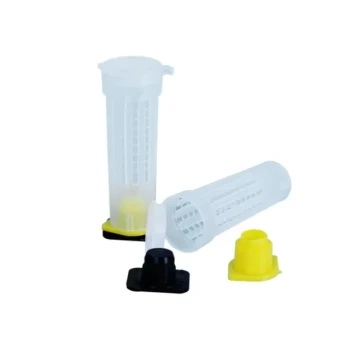
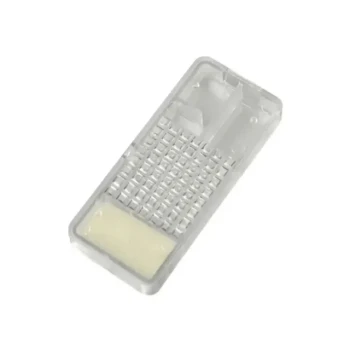
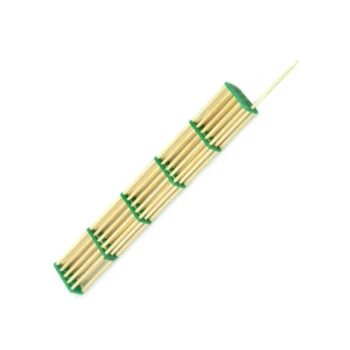
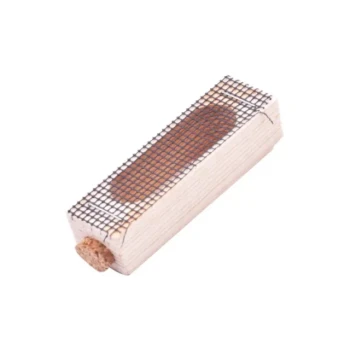
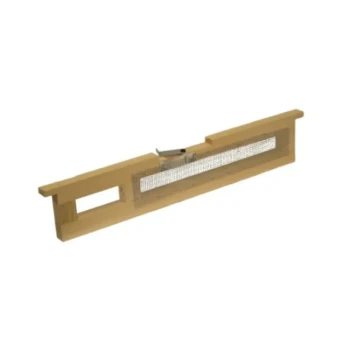
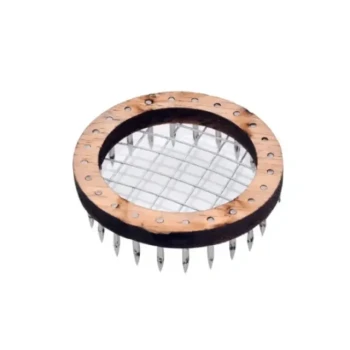
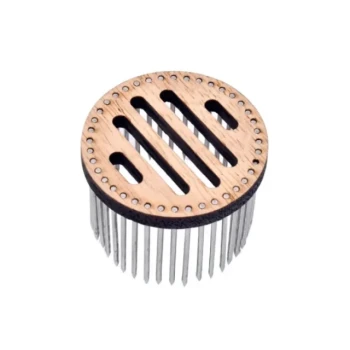
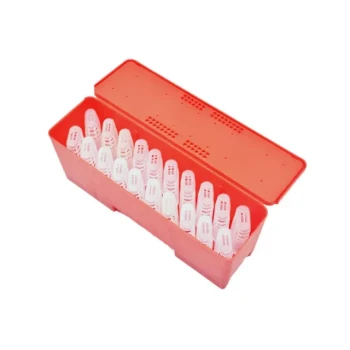
The primary purpose of specialized experimental bee cages is to establish a standardized, controlled environment for scientific research. These units allow researchers to isolate specific numbers of honeybees, enabling precise management of feeding and environmental conditions to ensure experimental consistency. By removing external variables, these cages facilitate the accurate testing of stressors such as pesticides and pathogens.
Core Takeaway: By eliminating environmental fluctuations and standardizing living conditions, experimental cages transform biological observation into rigorous data. They are the fundamental tool for isolating cause-and-effect relationships in honeybee toxicology and physiology, ensuring that observed outcomes are due to the tested substance rather than nutritional stress or random environmental factors.
The Role of Standardization in Bee Research
Eliminating Environmental Variables
In open-field studies, factors like weather, forage availability, and colony dynamics introduce uncontrollable variables. Specialized cages isolate the bees, creating a "clean" baseline for experimentation.
This isolation allows researchers to attribute changes in bee health directly to the specific variable being tested, such as a new pesticide or a pathogen.
Ensuring Consistent Stressor Exposure
To accurately measure toxicity or pathogenicity, every subject must be exposed to the same conditions. The primary function of these cages is to maintain a uniform living environment while bees are subjected to stressors.
Whether testing the lethal dose of a chemical or the impact of a virus, the cage ensures that the exposure is the only significant difference between control and test groups.
Critical Design Features and Functionality
Precise Feeding Management
One of the most critical aspects of these cages is the ability to install specialized feeding devices. This facilitates precise quantitative feeding, ensuring every bee receives a known amount of nutrition or test substance.
Advanced designs may include automatic feeders to provide a continuous supply of sugar syrup. This eliminates "nutritional stress" as a variable, ensuring the data reflects the toxicity of the test agent rather than starvation or dehydration.
Ventilation and Observation
Cages are designed with adequate ventilation, often utilizing a metal mesh structure to ensure proper air exchange without allowing escape. This supports the survival of the bees during the artificial rearing period.
Furthermore, the design permits continuous observation. Researchers can monitor survival rates, behavior, and physiological changes (such as midgut integrity) without physically disturbing the insects.
Understanding the Trade-offs
Artificial Social Isolation
While these cages are excellent for controlling variables, they create an artificial environment. Honeybees are highly social insects, and removing them from the colony structure can induce stress that differs from their natural state.
Duration Limitations
These setups are typically optimized for short-to-medium-term studies, such as monitoring survival rates over a 24 to 48-hour period. Long-term rearing in isolation can be challenging due to the lack of brood care and complex colony interactions required for extended bee longevity.
Making the Right Choice for Your Research
To effectively utilize specialized bee cages, align the cage features with your specific experimental endpoints.
- If your primary focus is Toxicology (Pesticides): Prioritize cages that allow for precise quantitative feeding to accurately determine lethal doses and distinguish between pest toxicity and safety for beneficial insects.
- If your primary focus is Physiology (Gut Health/Lifespan): Ensure the cage design supports automatic, continuous feeding to completely eliminate nutritional stress, allowing for clear observation of midgut integrity and cell mortality.
The effectiveness of your data relies not just on the experiment itself, but on the precision of the environment in which it is conducted.
Summary Table:
| Feature | Primary Function | Research Benefit |
|---|---|---|
| Isolation Control | Eliminates external environmental variables | Accurate cause-and-effect attribution |
| Quantitative Feeding | Precision delivery of nutrients/toxins | Consistent stressor exposure for toxicity tests |
| Ventilation & Mesh | Ensures air exchange and escape prevention | Maintains bee health during short-term study |
| Observation Access | Clear monitoring of behavior and survival | Real-time data collection without disturbance |
Elevate Your Bee Research with HONESTBEE Precision Equipment
At HONESTBEE, we understand that rigorous data begins with a controlled environment. As a premier provider for commercial apiaries and distributors, we offer a comprehensive wholesale range of professional beekeeping tools and specialized machinery. Whether you are conducting large-scale toxicological studies or managing a commercial honey operation, our portfolio—from hive-making and honey-filling machines to essential industry consumables—is designed to meet the highest standards of the global beekeeping industry.
Ready to scale your operation or research capabilities? Contact us today to explore our full catalog and wholesale opportunities!
References
- Régis Rouzé, Nicolas Blot. The Honeybee Gut Microbiota Is Altered after Chronic Exposure to Different Families of Insecticides and Infection by <i>Nosema ceranae</i>. DOI: 10.1264/jsme2.me18169
This article is also based on technical information from HonestBee Knowledge Base .
Related Products
- Twin Queen Styrofoam Honey Bee Nucs Mating and Breeding Box
- Automatic Heat Preservation 6 Frame Pro Nuc Box for Honey Bee Queen Mating
- Langstroth Honey Bee Box Hive Boxes for Different Depths
- Premium Nicot Style Queen Rearing Kit with Hair Roller Bee Cages
- Professional Multi-Functional Queen Bee Cage
People Also Ask
- What are the benefits of using double nuc boxes in beekeeping? Boost Apiary Resilience & Growth
- What are the practical advantages of a double nuc box? Maximize Efficiency with Standardized Beekeeping Gear
- What is the frame capacity of each side in a double nuc box? Master Queen Rearing & Colony Starts
- What are the advantages of double nuc boxes in winter? Boost Survival Rates & Apiary Resilience
- What is the purpose of exploring double nuc boxes in beekeeping? Boost Apiary Resilience & Growth