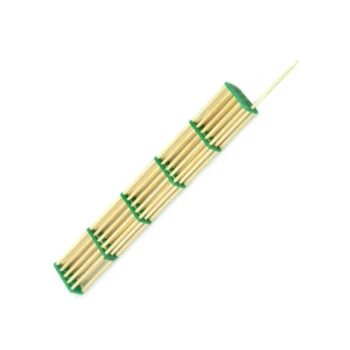
The candy plug functions as a biological time-lock. It is a block of firm sugar paste or fondant that physically obstructs the exit of the queen cage, preventing immediate contact between the new queen and the colony. By requiring the worker bees to chew through this dense sugar barrier over a period of days, the plug enforces a mandatory delay that is critical for the queen's survival.
The primary goal of the candy plug is to facilitate chemical acceptance rather than physical containment. By delaying the queen's release, it allows her unique pheromones to permeate the hive, suppressing the colony's natural aggression and preventing them from attacking her as an intruder.
The Mechanics of Controlled Release
Creating a Temporal Buffer
The candy plug is designed to act as a time-release mechanism. It is not intended to trap the queen indefinitely, but to regulate the exact speed of her entry into the colony.
Upon installation, worker bees from the hive begin eating the candy from the outside, while the queen and her attendants may consume it from the inside. This chewing process typically takes two to three days to complete.
Pheromone Integration
The delay created by the candy is essential for pheromone acclimation. A honeybee colony relies on chemical signals to identify friend from foe.
If a new queen acts as an intruder immediately, the workers will instinctively attack and "ball" her (cluster around her to overheat and kill her). The time it takes to consume the candy allows the colony to slowly habituate to her scent, shifting their behavior from defensive to accepting.
Secondary Function: Nutritional Support
Sustenance During Transport
While the "timer" function is paramount during introduction, the candy serves a different role before the cage ever reaches the hive.
The specialized sugar formulation provides essential hydration and energy for the queen and her attendant bees during shipping. This ensures the queen remains viable and healthy for the 36 to 48 hours she may spend in transit.
Understanding the Variables and Risks
The Consequence of Premature Release
The system relies entirely on the consistency of the candy. If the candy is too soft or the plug is too small, the bees may chew through it too quickly (e.g., in less than 24 hours).
A release that happens before the pheromones have fully permeated the hive significantly increases the risk of rejection. The colony requires sufficient time to identify the physiological signals of the new queen to accept her status.
Environmental Factors
The physical state of the candy can change based on the environment. High humidity can soften the fondant, accelerating release. Conversely, extreme dryness can harden the plug, potentially trapping the queen longer than necessary.
Ensuring a Successful Introduction
To maximize the success rate of re-queening or colony splitting, you must respect the timing mechanism the candy provides.
- If your primary focus is Colony Acceptance: Ensure the candy is exposed to the workers immediately upon installation to start the acclimation timer.
- If your primary focus is Queen Survival: Do not manually release the queen early; allow the workers to perform the release naturally to ensure their aggression has subsided.
The candy plug is a simple but vital tool that aligns the mechanical process of release with the biological necessity of chemical integration.
Summary Table:
| Function | Mechanism | Duration/Benefit |
|---|---|---|
| Biological Time-Lock | Mandatory delay while bees chew through fondant | 2-3 Days for pheromone acclimation |
| Pheromone Integration | Allows hive to habituate to the queen's scent | Prevents "balling" and colony aggression |
| Nutritional Support | Provides moisture and energy during shipping | Ensures queen viability for 36-48 hours |
| Controlled Release | Regulates entry speed into the new colony | Synchronizes biological and mechanical timing |
Elevate Your Apiary Operations with HONESTBEE
Successful queen introduction is the cornerstone of a productive hive. At HONESTBEE, we empower commercial apiaries and distributors with the high-quality beekeeping tools and machinery needed to scale effectively.
From precision queen rearing equipment and specialized hives to industrial honey-filling machines and essential consumables, our comprehensive wholesale portfolio is designed for professional performance.
Ready to optimize your yield and streamline your supply chain?
Contact our expert team today to discuss our volume discounts and global distribution solutions. Let’s build a more productive beekeeping future together.
Related Products
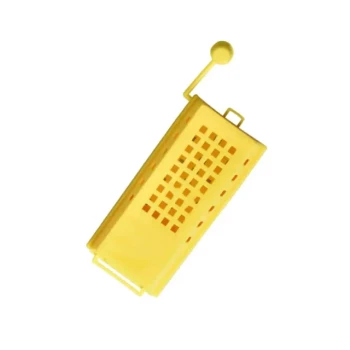
- Professional Queen Cage with Sliding Gate and Feeder Plug
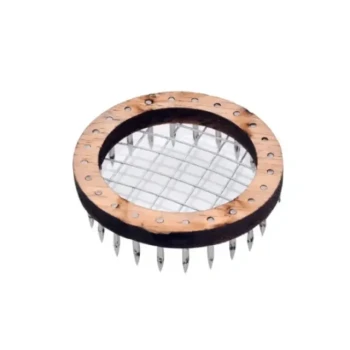
- Wood and Mesh Push-In Queen Cage
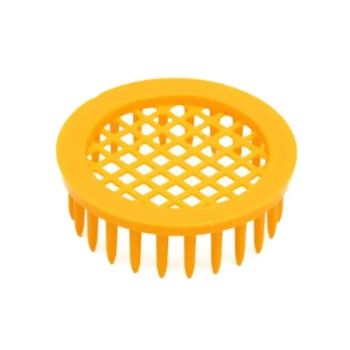
- Durable Plastic Push In Queen Bee Cage
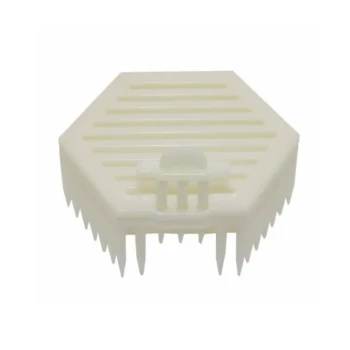
- Hexagonal Direct Comb Introduction Queen Bee Cage
- Plastic Queen Marking Tube Cage with Plunger for Beekeeping
People Also Ask
- Why are specialized queen bee cages used for the banking of mated queen bees? Maximize Commercial Apiary Storage Efficiency
- What is the mechanism of action for using temporary queen bee cages? Master Successful Queen Introduction
- How is a queen bee released from a queen cage? Ensure Safe Colony Integration & Hive Success
- What is the step-by-step process for installing a queen bee's cage onto a frame? Ensure Hive Acceptance Safely
- What technical precaution must be taken regarding the mesh or grill side of a queen bee cage? Ensure Queen Survival