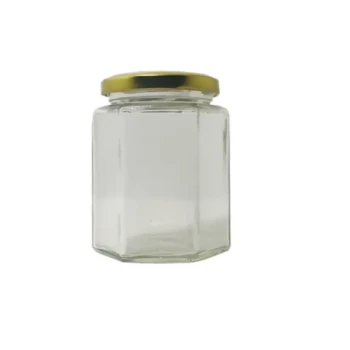
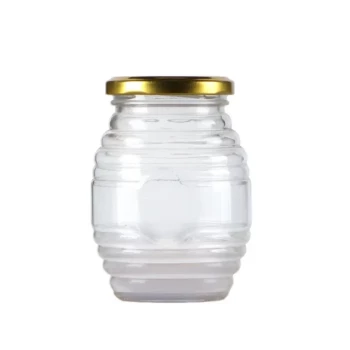
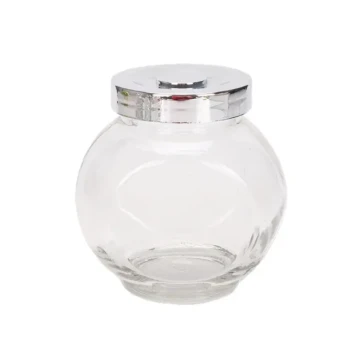
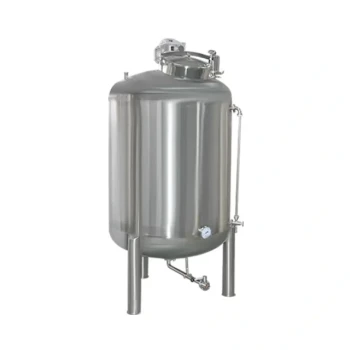
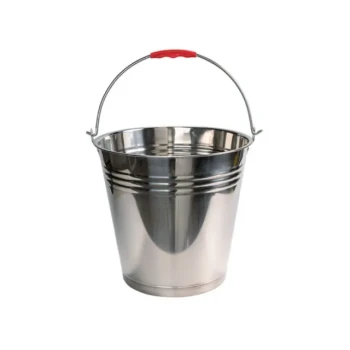
The use of sterile storage containers is a non-negotiable standard in honey sample collection. Their primary purpose is to prevent secondary contamination from environmental microorganisms and foreign particles while simultaneously blocking moisture absorption. This isolation ensures the sample's botanical and chemical integrity remains unchanged, allowing for laboratory results that accurately reflect the original product's quality.
Using sterile, airtight containers protects honey samples from external interference, ensuring that subsequent analytical data—from botanical origin to microbial safety—is a true representation of the bulk supply.
Preventing Secondary Contamination
Eliminating Environmental Microorganisms
Sterile containers provide a controlled environment that isolates the honey from bacteria, molds, and yeasts present in the air or on handling surfaces. This is essential for accurate microbial load quantification, ensuring that total colony counts reflect the apiary's sanitary status rather than poor sampling technique.
Protecting Botanical Integrity
For distributors focused on premium monofloral honeys, preventing the introduction of foreign particles is critical. Sterile vessels ensure that palynological analysis (pollen testing) identifies only the botanical components inherent to the honey, protecting the product's geographical and floral certifications.
Preserving Physicochemical Stability
Managing Honey’s Hygroscopic Nature
Honey is highly hygroscopic, meaning it aggressively absorbs moisture from the atmosphere. Sterile, airtight containers prevent moisture fluctuations that could otherwise alter the honey's concentration and lead to premature fermentation before the sample reaches the lab.
Maintaining Bioactive Components
Precise sampling environments stabilize sensitive biochemical markers such as glucose oxidase (GOX), amino acids, and enzymes. By preventing external reactions, these containers ensure that antibacterial assessments and nutritional profiles remain valid for B2B quality specifications.
Preventing Chemical Migration
The choice of material, such as borosilicate glass, offers superior chemical stability. This prevents any component migration from the container walls into the honey, ensuring that physical indicators like Hydroxymethylfurfural (HMF) and proline levels are not skewed by the packaging itself.
Understanding the Trade-offs and Pitfalls
Material Selection: Glass vs. Specialized Plastics
While glass is the gold standard for chemical neutrality, it is heavy and prone to breakage during rapid transport. High-grade, sterile plastics are more durable for fast-fulfillment logistics, but they must be certified food-grade to avoid leaching chemicals that could interfere with sensitive laboratory equipment.
The Risk of Improper Sealing
Even a sterile container fails if the seal is compromised. Inadequate sealing allows for atmospheric moisture exchange, which can lower the honey's density and trigger the degradation of enzymes, potentially leading to a "failed" quality test for a perfectly good batch.
How to Apply This to Your Quality Assurance
Making the Right Choice for Your Goal
As a global partner in honey sourcing, we recognize that sampling precision is the foundation of trust in the B2B supply chain.
- If your primary focus is Botanical Verification: Use sterile glass containers to ensure no external pollen or particles interfere with palynological mapping.
- If your primary focus is Long-Distance Export: Prioritize sterile, airtight, and shatter-resistant containers to maintain moisture levels during varied humidity shifts in transit.
- If your primary focus is Microbial Safety Grading: Ensure the sampling process uses medical-grade sterile vessels to avoid "false positive" results for yeast or mold contamination.
Expertly executed sampling protocols ensure that the premium quality of your bulk honey is accurately documented and verified for every shipment.
Summary Table:
| Key Function | Technical Benefit | Impact on Quality Assurance |
|---|---|---|
| Contamination Control | Blocks environmental bacteria & yeast | Ensures accurate microbial load quantification |
| Moisture Regulation | Prevents hygroscopic water absorption | Maintains density and prevents premature fermentation |
| Botanical Preservation | Isolates sample from foreign pollen | Validates floral origin and geographical certifications |
| Chemical Stability | Eliminates material leaching/migration | Protects enzyme markers (GOX) and HMF levels |
Scale Your Honey Business with HONESTBEE’s Professional Solutions
For distributors, wholesalers, and B2B resellers, maintaining product integrity is the key to protecting your profit margins. HONESTBEE is your premier partner for one-stop beekeeping sourcing, offering a comprehensive portfolio that ranges from professional honey-filling machinery and hive-making equipment to essential industry consumables.
Why partner with HONESTBEE?
- Full-Spectrum Portfolio: Access everything from specialized hardware to cultural merchandise.
- Rapid Fulfillment: Benefit from ultra-fast delivery and efficient order processing to keep your supply chain moving.
- Industry Expertise: Leverage our deep professional knowledge and dedicated customer service for OEM/ODM support.
Ensure your bulk honey supply meets the highest global standards. Contact HONESTBEE today to explore our wholesale offerings and elevate your equipment standards!
References
- Zahra Shakoori, Farid Salmanpour. Nutritional position of managed honey bees during pollination of native plants by the melissopalynology method. DOI: 10.1038/s41598-024-73086-4
This article is also based on technical information from HonestBee Knowledge Base .
Related Products
- Hexagonal Glass Honey Jars with Metal Lug Caps Elegant Versatile Packaging
- Stainless Steel Honey Storage Tank with Lid for Honey
- Stainless Steel Honey Storage and Settling Tank with Double Strainer
- Classic Glass Honey Jar with Metal Lug Cap for Beehive Storage
- Classic Drum Shaped Glass Honey Jar with Airtight Lid
People Also Ask
- What is the aesthetic appeal of using glass jars for honey? Elevate Your Brand with Premium Packaging
- What are the logistical challenges associated with using glass jars for honey packaging? Navigating Weight & Fragility
- What are the advantages of glass containers for honey? Elevate Quality and Market Value with Premium Packaging
- What are the technical advantages of using glass jars for honey? Master Commercial Packaging for Premium Purity
- What are the advantages of using glass jars for honey packaging? Preserve Purity & Elevate Your Brand