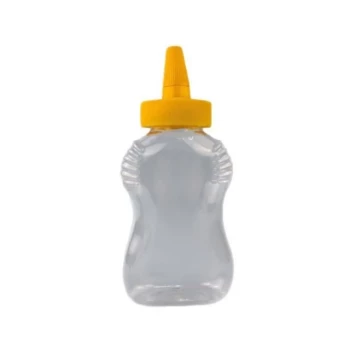
The primary role of polyethylene bottles in honey sampling is to ensure the sample remains chemically stable and physically unaltered during collection and storage. Specifically, these bottles provide a high degree of chemical inertness and excellent sealing properties, which prevent the honey from reacting with the container or suffering from moisture loss and environmental contamination before laboratory analysis.
The core value of using polyethylene is data integrity. By neutralizing external variables—such as moisture fluctuation and chemical leaching—these containers ensure that subsequent analytical results reflect the honey's original composition, not artifacts of the storage process.
Preserving Chemical Integrity
Chemical Inertness
The most critical attribute of polyethylene is that it does not react with the sample. Honey contains active components, including phenolic compounds and acids. Polyethylene’s inert nature ensures the packaging material does not leach into the honey or chemically alter these sensitive components.
Preventing Cross-Contamination
During the collection of standard samples (typically around 500g), the container must act as an absolute barrier. Polyethylene bottles effectively isolate the honey from external dust, impurities, and environmental pollutants. This isolation is vital for maintaining the accuracy of trace mineral analysis and element content detection.
Maintaining Physical and Biological Stability
Moisture Control and Sealing
Honey is hygroscopic, meaning it readily interacts with environmental moisture. Polyethylene bottles with tight-cap seals prevent two specific risks:
- Moisture Absorption: Prevents the honey from pulling in water from the air, which could dilute the sample.
- Moisture Loss: Prevents the honey from drying out at ambient temperatures. By stabilizing moisture levels, the original physical properties of the honey are preserved for accurate testing.
Inhibiting Fermentation and Spoilage
When sterilized polyethylene bottles are utilized, they provide a sterile environment that inhibits the growth of osmophilic yeasts. Without this barrier, yeast activity could cause the honey to ferment or spoil, rendering the sample useless. This protection is capable of maintaining sample stability for storage periods ranging from 18 to 22 months.
Critical Trade-offs and Considerations
The Necessity of Sterilization
It is not enough to simply use polyethylene; the hygienic status of the bottle is paramount. Non-sterile polyethylene can introduce exogenous microorganisms. To ensure accurate quantitative analysis of microbial loads (such as total colony counts), you must use sterilization-grade containers to prevent secondary contamination.
Light and Temperature Factors
While polyethylene manages chemical and moisture stability, it must often be paired with other protocols for complete protection. Supplementary data suggests that for long-term storage (up to six months for pollen analysis), containers should be kept in light-shielded and temperature-controlled environments to fully prevent physicochemical alterations. Polyethylene alone may not provide sufficient light protection unless specifically opaque or stored in dark conditions.
Ensuring Analytical Success
If your primary focus is Chemical and Physical Analysis:
- Prioritize polyethylene bottles with high-quality seals to prevent moisture migration, ensuring that acidity, moisture content, and phenolic profiles remain unchanged.
If your primary focus is Microbial and Antibacterial Analysis:
- You must strictly utilize sterilized polyethylene bottles to prevent secondary contamination and inhibit yeast fermentation, ensuring colony counts reflect the apiary's sanitary status, not container pollution.
The choice of container is not merely a logistical detail; it is a fundamental control measure that safeguards the scientific validity of your entire study.
Summary Table:
| Feature | Benefit for Honey Sampling | Impact on Analysis |
|---|---|---|
| Chemical Inertness | Prevents leaching and reaction with acids/phenols | Ensures accurate chemical profiling |
| Hermetic Sealing | Prevents moisture absorption and evaporation | Maintains original physical properties |
| Sterilization Grade | Inhibits yeast growth and secondary contamination | Guarantees valid microbial counts |
| Physical Durability | Protects against external pollutants and dust | Preserves sample purity and trace minerals |
Scale Your Apiary Operations with HONESTBEE
At HONESTBEE, we understand that precision in sampling is just the beginning. As a leading partner for commercial apiaries and distributors, we provide more than just insights—we supply the heavy-duty tools you need to succeed. From high-capacity honey-filling machines to specialized hive-making hardware and a full spectrum of beekeeping equipment, our wholesale solutions are designed to optimize your production efficiency.
Whether you are looking for industrial-grade machinery or essential consumables, we offer the comprehensive support your business demands. Contact us today to explore our full product portfolio and see how our global supply chain can enhance your beekeeping enterprise.
References
- Renata Pelin Viciniescki, Eniz Conceição Oliveira. DETECÇÃO DE ADULTERAÇÃO E CARACTERIZAÇÃO FÍSICO-QUÍMICA DE MEL DE ABELHA DE PEQUENOS PRODUTORES DO INTERIOR GAÚCHO. DOI: 10.22410/issn.2176-3070.v10i4a2018.2047
This article is also based on technical information from HonestBee Knowledge Base .
Related Products
- Professional Plastic Honey Dipper for Easy Honey Drizzling
- 3.5L Plastic Beehive Frame Feeder Deep Frame Water Feeder for In Hive Use
- Food Grade Plastic Honey Bucket Pail for Beekeeping
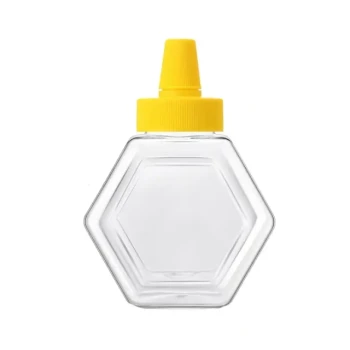
- Hexagonal Squeeze Honey Bottle with No Drip Lid
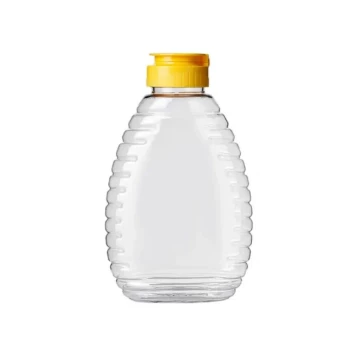
- Classic Beehive Honey Bottle Jar with Squeeze Dispenser Lid
People Also Ask
- What is a honey dipper? Master the Art of the Perfect Drizzle with This Essential Tool
- What is a honey dipper and what is it used for? A Guide to Mess-Free Drizzling
- What is a honey taking spoon called? Discover the Tool for a Perfect, Mess-Free Drizzle
- What is the proper method for cleaning a honey dipper? Maintain Pure Flavor with These Easy Pro Tips
- How do you clean and store a honey dipper? Simple Steps for Long-Lasting Performance