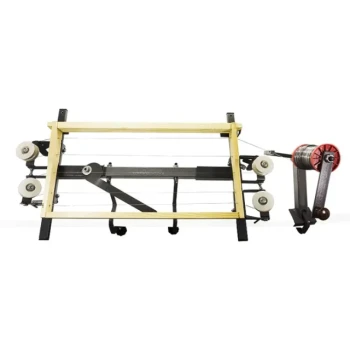
To cross-wire a beehive frame, you must first install standard horizontal wiring from right to left, followed by vertical wiring from top to bottom. The critical step is weaving the vertical wires over and under the horizontal strands—without twisting them together—to create a grid of 90-degree intersections.
Cross-wiring significantly increases the structural integrity of the frame by interlocking vertical and horizontal strands. The process requires establishing a horizontal base first, then weaving vertical wires through it to form a stable, rectangular grid.
Preparing the Frame Structure
Before handling the wire, you must ensure the wooden frame is correctly assembled to withstand the tension of cross-wiring.
Removing the Wedge
If you are using a frame kit with a removable "wedge" in the top bar, this must be removed first. This clears the necessary space for securing the foundation later.
Gluing the Joints
Mechanical fit alone is often insufficient for long-term durability. Apply wood glue to the edges of the side bars and top/bottom bars.
Final Assembly
Snap the glued pieces together until they fit snugly. A tight, squared frame is the essential prerequisites for effective wiring.
Executing the Wiring Process
Once the frame is assembled, the wiring is done in two distinct phases to create a reinforcing mesh.
Phase 1: Horizontal Wiring
Begin by running the wire horizontally across the frame. Standard practice involves threading the wire from right to left.
Secure this wire firmly. This horizontal layer acts as the foundation for the cross-wiring process.
Phase 2: Vertical Weaving
After the horizontal wires are set, begin the vertical wiring from top to bottom.
Do not simply lay the wire on top of the horizontal strands. You must alternate the path of the vertical wire, passing it over and under the existing horizontal wires.
Creating the Grid
The result of this weaving motion is a grid where wires intersect at 90-degree angles. This forms a pattern of square or rectangular shapes, providing uniform support across the entire frame face.
Common Pitfalls to Avoid
While cross-wiring is straightforward, small errors can compromise the strength of the comb foundation.
Avoid Twisting Connections
A common mistake is twisting the vertical wire around the horizontal wire at the intersection points. Do not twist the wires.
The vertical wire should simply "float" through the weave (over and under). Twisting adds unnecessary stress points and makes the wire difficult to tension or replace.
Watch the Order of Operations
Attempting to run vertical wires before horizontal ones, or trying to do both simultaneously, will result in a loose grid. You must complete the horizontal run first to provide the tension needed for the vertical weave.
Making the Right Choice for Your Goal
How you approach this task depends on your specific requirements for frame durability.
- If your primary focus is maximum longevity: Apply wood glue to all frame joints before beginning the wiring process to prevent the frame from warping under wire tension.
- If your primary focus is comb stability: Ensure you meticulously weave the vertical wires over and under the horizontal ones to prevent the foundation from bowing out.
A correctly cross-wired frame provides a rigid, reliable backbone that protects your comb for seasons to come.
Summary Table:
| Step | Action | Key Detail |
|---|---|---|
| 1. Prep | Assemble & Glue | Use wood glue on joints for a squared, rigid frame. |
| 2. Horizontal | Right to Left | Install base horizontal wiring first to create tension. |
| 3. Vertical | Top to Bottom | Weave wire over and under horizontal strands. |
| 4. Geometry | 90° Intersections | Create a grid pattern; do not twist wires at joints. |
Scale Your Apiary with Professional-Grade Equipment
At HONESTBEE, we specialize in empowering commercial apiaries and distributors with high-performance beekeeping solutions. Whether you are looking to streamline your production with automated hive-making and honey-filling machines or need a reliable wholesale source for premium frames, wiring tools, and essential consumables, we have you covered.
Our comprehensive portfolio is designed to enhance your operational efficiency and product quality. From specialized hardware to honey-themed cultural merchandise, we provide the full spectrum of industry tools.
Ready to upgrade your beekeeping operations? Contact us today to discuss your wholesale needs and see how our expertise can drive your business forward!
Related Products
- Wooden Bee Hive Frames for Beekeeping and Wholesale
- Heavy-Duty Stainless Steel Clip-On Frame Perch
- Assembled Wooden Bee Frames with Plastic Foundation for Durability and Convenience by HONESTBEE
- HONESTBEE Wired and Assembled Wooden Bee Frames Foundation for a Thriving Hive
- Professional Galvanized Steel Frame Rest for Beehives
People Also Ask
- How does balancing the number of frames impact hive productivity? Optimize Your Apiary's Biological Output
- How do wooden and plastic hive frames compare in terms of durability? Wood vs. Plastic Longevity & Repairability
- What are the main considerations when choosing between wooden and plastic bee hive frames? Optimize Your Apiary's Efficiency
- How should beehive frames be maintained to prolong their lifespan? 5 Pro Tips for Durable Beekeeping Equipment
- What is the primary function of frames within a beehive system? Structural Foundation and Hive Management