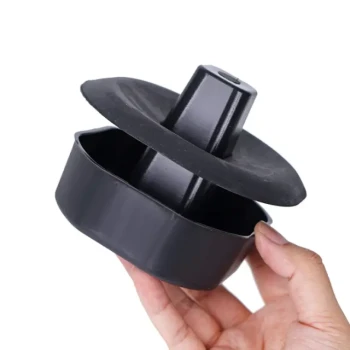
A hive stand serves as the fundamental base support for your apiary structure. Its primary function is to elevate the beehive off the ground to prevent moisture damage, thereby extending the lifespan of the bottom board, while often simultaneously providing a designated landing area for incoming bees.
The Core Utility While a specific brand of stand is not mandatory, the function of elevation is non-negotiable for long-term apiary success. A proper stand acts as a critical barrier against moisture and pests, protecting your equipment from rot and your colony from ground-dwelling predators.
Preserving Equipment Integrity
Preventing Moisture Damage
The most immediate technical benefit of a hive stand is the protection of the bottom board.
When a hive sits directly on the ground, the wood absorbs moisture from the soil. This leads to rapid decay, rot, and the need for premature equipment replacement.
Improving Insulation and Ventilation
By creating a gap between the hive and the earth, you decouple the colony from ground temperatures.
This air gap aids in keeping the bottom board dry. It also assists in moderating hive temperature and improving overall ventilation, which is vital for colony health.
Pest Management and Defense
Deterring Predators
Elevation is a key mechanical deterrent against predators such as skunks.
When a hive is raised, a skunk must stand on its hind legs to scratch at the entrance, exposing its belly to bee stings. This effectively discourages them from feeding on your colony.
Interrupting Pest Cycles
Stands help interrupt the development cycle of certain pests, such as wax moths.
They also provide a vertical buffer that makes it more difficult for crawling insects, particularly ants, to infiltrate the hive.
Operational Ergonomics and Stability
Reducing Physical Strain
Beekeeping involves lifting heavy boxes, often repetitively.
A hive stand raises the working height of the hive, significantly reducing the distance a beekeeper must bend. This ergonomic advantage protects your back during routine inspections.
Supporting Heavy Loads
A full hive can weigh several hundred pounds when full of honey.
The stand serves as the structural footing for the entire stack. It must be robust enough to prevent the hive from collapsing or tipping under this immense weight.
The Landing Board
Many hive stands are integrated with an angled landing board.
This feature provides a runway for returning foragers, facilitating easier entry into the hive, especially when they are laden with nectar or pollen.
Understanding the Trade-offs
Height vs. Stability
While higher stands improve ergonomics, they can compromise stability.
If a stand is too tall or narrow, the center of gravity shifts, making the hive vulnerable to tipping over in high winds. You must balance ergonomic comfort with a wide, stable footprint.
Material Durability
Beekeepers often use makeshift stands, such as cinder blocks with wood beams, which are functional but lack aesthetics.
If you build a wooden stand to hold the hive, the stand itself becomes susceptible to ground rot. You must use treated lumber or masonry for the stand to ensure the foundation remains secure over time.
Making the Right Choice for Your Goal
To select or build the correct stand, identify your primary constraint:
- If your primary focus is Equipment Longevity: Prioritize a stand that provides at least 6-12 inches of clearance to ensure the bottom board remains completely dry.
- If your primary focus is Ergonomics: Choose a stand height that aligns with your hands when your arms are at your sides to minimize back strain.
- If your primary focus is Pest Control: Ensure the legs of the stand are narrow enough to apply barriers (like grease or moats) to stop ants and are high enough to deter skunks.
A hive stand is not just a platform; it is the first line of defense for your woodenware and the foundation of a manageable, healthy apiary.
Summary Table:
| Key Purpose | Primary Benefit | Why It Matters |
|---|---|---|
| Moisture Protection | Elevates bottom board | Prevents wood rot and extends equipment lifespan. |
| Pest Management | Mechanical deterrent | Keeps skunks, ants, and wax moths away from the colony. |
| Ergonomics | Raised working height | Reduces back strain during heavy lifting and inspections. |
| Thermoregulation | Air gap insulation | Improves ventilation and protects from ground temperatures. |
| Landing Support | Integrated landing board | Provides a stable runway for nectar-laden foraging bees. |
Scale Your Apiary Operations with HONESTBEE
At HONESTBEE, we understand that a successful apiary starts with the right foundation. Whether you are a commercial apiary seeking durable hive-making machinery or a distributor looking for high-quality beekeeping tools and equipment, we have the comprehensive wholesale solutions you need.
From heavy-duty hive stands to advanced honey-filling machines and essential consumables, our portfolio is designed to enhance your efficiency and protect your investment. Let us provide the professional-grade hardware and honey-themed cultural merchandise that will set your business apart.
Ready to elevate your beekeeping business?
Contact HONESTBEE Today to Discuss Your Wholesale Needs
Related Products
- Plastic Bee Hive Stand for Beekeeping
- Metal Hive Feet Bee Hive Stand for Ant Protection
- Metal Bee Hive Stand Bee Box Stand for Beekeeping
- Professional Ant-Proof Beehive Stand with Integrated Moat for Beekeeping
- Professional Galvanized Steel Frame Rest for Beehives
People Also Ask
- What are the benefits of elevating a bee hive with a stand or base? Protect Your Colony and Your Back
- What are the essential technical specifications for a high-quality bee hive stand? Maximize Stability and Hive Safety
- What are the potential risks of plastic bee hive stands? Avoid Structural Failure in Your Apiary
- What height should a bee hive stand be? Optimize for Your Back and Hive Health
- Why are specialized beehive stands or protective barriers necessary for pest management in apiaries? Secure Your Colony