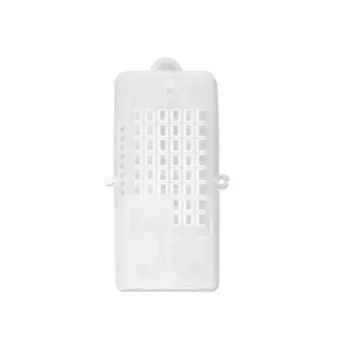
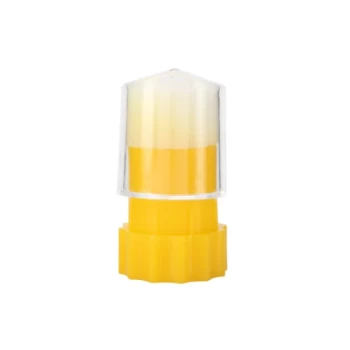
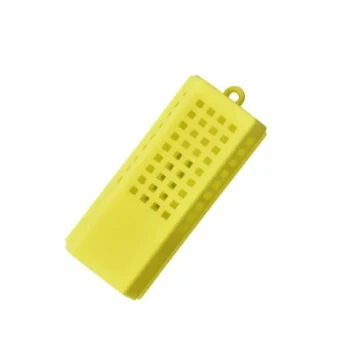
Artificial queen cell cups serve as the fundamental scaffolding for large-scale honeybee queen production. They function as a standardized substitute for natural queen cells, acting as receptacles for grafted larvae. This physical structure triggers the colony’s nurse bees to initiate the "rearing impulse," ensuring the larvae are fed royal jelly and developed into queens rather than worker bees.
Core Takeaway While artificial cups provide the necessary physical architecture for queen rearing, the material chosen acts as a biological signal to the colony. Using cups made from natural old comb beeswax significantly outperforms plastic alternatives by offering superior bio-affinity, which directly increases both the rate of larval acceptance and the successful emergence of new queens.
The Functional Role of the Cup
Standardizing the Developmental Environment
In a natural hive, queen cells are built irregularly. Artificial cups provide a uniform, standardized space for larval development. This allows beekeepers and researchers to precisely control the location and timing of queen emergence.
Triggering the Caste Switch
The specific shape and orientation of the cup simulate a natural queen cell. This physical cue prompts worker bees to switch their behavior. Instead of providing standard worker nutrition, they fill the cup with royal jelly, altering the larva's developmental trajectory from worker to queen.
Enabling Large-Scale Propagation
These cups are typically attached to specialized grafting frames. This setup transforms queen rearing from a biological accident into a managed process. It allows for the mass propagation of superior maternal lines by enabling the transfer of larvae from selected breeders into a receptive colony.
The Critical Impact of Material Selection
The Bio-Affinity of Beeswax
The material of the cup is not merely structural; it is chemical. Research indicates that cups made from natural old comb beeswax possess high "bio-affinity." This means the material is chemically recognized by the bees as part of their natural environment, reducing the likelihood of rejection.
Chemical Consistency with the Hive
Beeswax cups mimic the internal substances of the honeybee colony. Because the chemical properties are consistent with what nurse bees encounter naturally, they are less hesitant to interact with the cup. This leads to an immediate and sustained supply of royal jelly during the critical early stages of larval growth.
Material Influence on Emergence
The benefits of material selection extend beyond the initial acceptance of the larva. The use of natural wax correlates with higher rates of successful queen emergence. The compatibility of the material seemingly supports the entire developmental cycle more effectively than synthetic alternatives.
Understanding the Trade-offs
The Limitations of Plastic
Plastic cups are widely used for their durability and convenience, often serving as a reusable standard. However, they lack the chemical familiarity of beeswax. This lower bio-affinity often results in lower acceptance rates, as the bees may perceive the plastic as a foreign object rather than a natural part of the comb.
The Specificity of "Old Comb" Wax
It is important to note the distinction regarding the source of the wax. The highest success rates are associated with old comb beeswax, not just generic processing wax. The presence of pheromones or propolis traces in old comb likely enhances the biological signal that encourages nurse bees to accept the graft.
Making the Right Choice for Your Goal
- If your primary focus is maximizing larval acceptance: Prioritize the use of cups made from natural old comb beeswax to leverage their high bio-affinity.
- If your primary focus is high-performance breeding: Utilize the standardized environment of artificial cups to ensure consistent development while selecting materials that minimize rejection.
- If your primary focus is research and sampling: Leverage the standardized cup structure to facilitate precise timing for viral pathogen testing or royal jelly collection.
By aligning the physical utility of the cup with the biological preferences of the bee, you transform a simple tool into a catalyst for colony success.
Summary Table:
| Feature | Artificial Queen Cell Cups | Natural Queen Cells |
|---|---|---|
| Primary Purpose | Standardized mass production & grafting | Emergency or swarm-driven replacement |
| Material Options | Plastic or natural old comb beeswax | Freshly secreted white beeswax |
| Worker Response | Triggers feeding of royal jelly via 'rearing impulse' | Instinctive response to queen absence/swarming |
| Acceptance Rate | High (especially with beeswax cups) | Automatic/Natural |
| Key Benefit | Precise control over timing and genetics | Natural biological cycle |
Maximize Your Colony Success with HONESTBEE
Elevate your queen rearing operations with premium equipment designed for efficiency and biological affinity. At HONESTBEE, we specialize in supporting commercial apiaries and distributors by providing a comprehensive wholesale range of beekeeping tools, specialized machinery, and essential consumables.
From high-precision hive-making and honey-filling machines to the very best in queen rearing hardware, we deliver the specialized tools you need to scale your production and maintain superior maternal lines. Let us help you turn biological potential into commercial success.
Ready to upgrade your apiary’s performance? Contact us today to explore our full portfolio and wholesale opportunities.
References
- Ajay Sharma, Anju Sharma. Evaluation of priming media and queen cup material on larval graft acceptance and queen emergence in Apis mellifera L.. DOI: 10.22271/j.ento.2020.v8.i4q.7268
This article is also based on technical information from HonestBee Knowledge Base .
Related Products
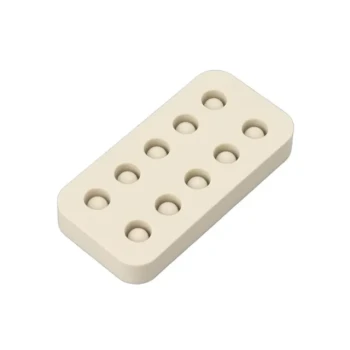
- 10-Cell Silicone Beeswax Bee Queen Cups Forming Mold
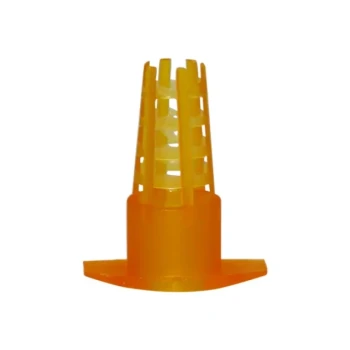
- JZBZ Type Wide Base Plastic Queen Cell Cups for Base Mounting and Queen Rearing
- Brown Nicot Queen Cell Cups for Breeding Queen Bees Beekeeping
- Clear Black Plain Polystyrene Queen Bee Grafting Cell Cups No Lug for Bee Queen Cup
- JZBZ Push-In Queen Cell Cups for Beekeeping
People Also Ask
- How do beeswax queen cell cups function? Optimize Queen Rearing with Biological Mimicry
- What is the biological function of beeswax queen cell cups? Boost Acceptance in Artificial Queen Rearing
- What role do specialized queen rearing tools play in developing mite-resistant honeybee stock? Master Genetic Selection
- What materials are used to make artificial queen cell cups for grafting? Beeswax vs. Plastic Guide
- What roles do specialized queen cell cups play in royal jelly production? Optimize Your Hive's Secretion and Yield