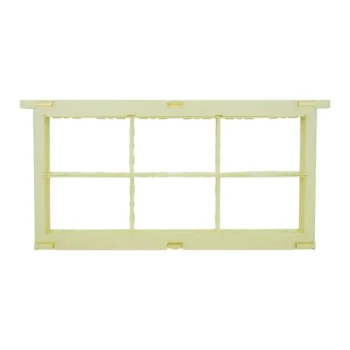
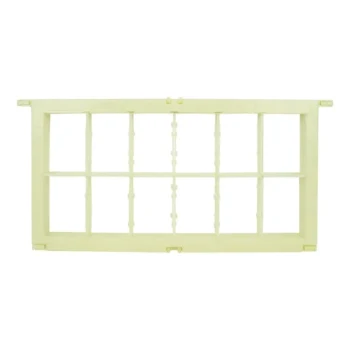
The primary purpose of configuring honeybee colonies with standardized framed broods is to establish a rigorous baseline for experimental validity. By equipping colonies with a fixed number of components, such as two standard framed broods, researchers ensure that critical variables like colony strength, nursing requirements, and foraging demands remain consistent across all test groups. This uniformity eliminates data bias caused by variations in hive vitality, allowing for the accurate isolation and comparison of biological characteristics between different species or during specific flowering periods.
Core Takeaway Scientific validity in pollination studies relies on eliminating environmental and structural noise to isolate biological variables. Standardizing framed broods ensures that observed differences in pollination performance are due to species-specific traits or behavioral responses, rather than inconsistencies in colony size or hardware.
Eliminating Experimental Bias
Achieving Hardware Uniformity
In any controlled study, the physical environment must be identical to prevent skewing results. Configuring colonies with a standardized number of framed broods ensures that every experimental group operates within the same physical infrastructure. This consistency removes hardware variation as a potential confounding variable.
Equalizing Colony Vitality
Standardization is essential for guaranteeing that colony strength is comparable across all subjects at the start of the experiment. If one colony has significantly more brood frames than another, it possesses a higher level of vitality that could mask the biological traits being studied. Uniform framing forces a "level playing field" regarding the colony's raw population potential.
Normalizing Metabolic Demands
The number of brood frames directly dictates the colony's resource requirements. By standardizing these frames, researchers stabilize the nursing burden and the subsequent demand for pollen and nectar. This ensures that the urge to forage is driven by the experiment's parameters, not by disparate hunger levels or brood care needs.
Enhancing Comparative Precision
Isolating Biological Responses
The ultimate goal of using standardized frames is to isolate specific biological characteristics. When hardware and colony strength are controlled, researchers can confidently attribute differences in performance to the bee species itself. This allows for accurate comparisons of how different genetic lines respond to specific environmental triggers, such as flowering periods.
Synchronizing Developmental Baselines
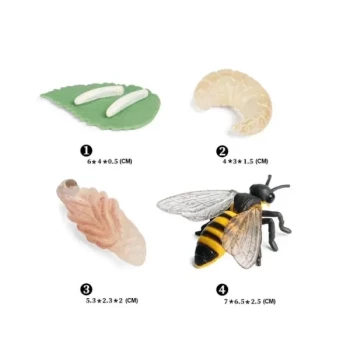
Beyond simple frame counts, standardization often involves selecting frames with larvae at similar developmental stages, such as fifth-instar larvae. This creates high developmental synchrony among samples. Unifying this baseline eliminates statistical noise caused by varying larval ages, making comparative analysis of post-capping periods more accurate.
Balancing Disease Resistance Baselines
In studies focused on pathology, such as American or European Foulbrood resistance, initial colony strength must be balanced. Standardized brood counts (often 4 to 8 frames in these specific contexts) ensure that observations regarding infection intensity reflect the bees' genetic resistance. Without this, a larger colony might appear more resistant simply due to its size, rather than its biology.
Understanding the Trade-offs
Setup Complexity vs. Data Quality
Achieving this level of standardization requires significant front-end effort. Researchers must meticulously sort and configure hives rather than using them "as-is." However, this labor investment is the only way to transition from anecdotal observation to high-precision, reproducible data.
Limits of Standardization
While hardware and brood counts can be standardized, biological variability in individual bees cannot be fully eliminated. Standardization minimizes external and structural variables, but researchers must still account for the inherent genetic and behavioral nuances that exist within any living system.
Making the Right Choice for Your Goal
To obtain reliable data, you must align your hive configuration with your specific research objectives.
- If your primary focus is species comparison: Prioritize exact frame counts to ensure that foraging differences are attributed to genetics, not colony size.
- If your primary focus is developmental biology: Ensure your standardized frames contain larvae of the same instar to synchronize the developmental baseline.
- If your primary focus is disease resistance: Use a consistent brood volume to ensure infection rates reflect immune response rather than population density.
Rigorous hardware and biological standardization provides the essential control necessary to turn field observations into actionable scientific data.
Summary Table:
| Factor | Standardization Method | Impact on Research Data |
|---|---|---|
| Hardware | Fixed number of standard frames | Eliminates structural variables and physical inconsistencies. |
| Vitality | Uniform colony strength/population | Ensures a level playing field for comparing biological traits. |
| Metabolism | Balanced nursing & resource demand | Normalizes foraging urges to isolate behavioral responses. |
| Development | Synchronized larval stages (e.g., 5th instar) | Minimizes statistical noise in developmental & capping studies. |
| Pathology | Consistent brood volume | Accurate assessment of genetic disease resistance vs. colony size. |
Maximize Your Apiary Productivity with HONESTBEE
At HONESTBEE, we understand that precision in the field starts with high-quality equipment. Whether you are conducting rigorous pollination studies or managing a large-scale commercial operation, our comprehensive wholesale solutions are designed to meet the demands of professional beekeepers and distributors.
How we add value to your business:
- Precision Machinery: From automated hive-making to honey-filling machines, we streamline your production.
- Full-Spectrum Supplies: We offer a complete range of beekeeping tools, hardware, and essential consumables.
- Global Distribution: Dedicated support for commercial apiaries and wholesale distributors worldwide.
Ready to elevate your beekeeping infrastructure? Contact us today to discuss your wholesale needs and discover the HONESTBEE advantage.
References
- F.R. Devkota, RB Thapa. Foraging Preference of <i>Apis cerana</i> F. and <i>Apis mellifera</i> L. to Broccoli under Caged and Open Conditions in Chitwan. DOI: 10.3126/jiaas.v26i0.672
This article is also based on technical information from HonestBee Knowledge Base .
Related Products
- Assembled Wooden Bee Frames with Plastic Foundation for Durability and Convenience by HONESTBEE
- HONESTBEE Wired and Assembled Wooden Bee Frames Foundation for a Thriving Hive
- Assembled Wooden Bee Frames with Beeswax Foundation Ready to Use by HONESTBEE
- Professional 500g Sectional Comb Honey Frame System for Beekeeping
- Professional Sectional Comb Honey Frame with 250g Cassette System for Beekeeping
People Also Ask
- When should frames with new foundation be given to colonies? Master Timing for a Thriving Hive
- Can beekeepers switch between wooden and plastic frames? Optimize Your Hive's Performance
- Do you have to wire bee frames? Essential Guide to Frame Strength & Honey Harvesting
- How do you re-wax bee frames? A Simple Guide to Faster Comb Building
- What types of bee frames can be cleaned and returned to service? A Guide to Safe Apiary Refurbishment