The primary purpose of combining comb culling with professional storage is to establish a rigorous, multi-layered hygiene protocol within the apiary. This integrated process mitigates risk by removing old wax laden with environmental toxins and pathogens while simultaneously treating idle equipment to eliminate pests like wax moths.
Integrating comb culling with professional cold storage creates a comprehensive defense strategy for your hives. It tackles internal threats by removing toxin-saturated wax and neutralizes external threats during storage, ensuring all hive inputs meet the highest sanitary standards.
The Mechanics of Hive Hygiene
Reducing Chemical Accumulation
Beeswax acts as a sponge for environmental contaminants. Over time, combs accumulate pesticide residues and other chemical toxins brought in by foraging bees.
Systematic culling removes this contaminated wax from circulation. This reduces the overall chemical load the colony must endure.
Breaking the Pathogen Cycle
Old combs are often reservoirs for disease. They can harbor dangerous biological agents, including fungal spores and bacteria that persist for years.
Replacing these combs disrupts the lifecycle of these pathogens. This proactive step prevents re-infection when frames are cycled back into active colonies.
The Role of Professional Storage
Neutralizing Pests in Idle Gear
When combs are removed from the hive for storage, they become vulnerable to scavengers. Wax moths, in particular, can destroy stored frames rapidly.
Professional storage equipment, specifically specialized freezers, provides a lethal environment for these pests. Low-temperature treatment effectively eliminates wax moths at all life stages.
Sterilizing Re-entry Hardware
The storage phase serves as a critical sterilization checkpoint. It ensures that any equipment returning to the hive is not a vector for new infestations.
This guarantees that all beekeeping consumables and hardware maintain a "clean slate" status before being reintroduced to the bees.
Understanding the Constraints
Energy and Resource Costs
While hygienic, this process is resource-intensive. Bees must consume significant amounts of honey and energy to secrete the wax needed to replace culled combs.
Capital Investment
Professional storage solutions represent a financial commitment. Acquiring and maintaining specialized freezers requires upfront capital and ongoing energy costs compared to passive storage methods.
Making the Right Choice for Your Goal
To implement this effectively, align your strategy with your specific management objectives:
- If your primary focus is reducing colony toxicity: Prioritize a strict culling schedule to systematically remove old combs that have accumulated pesticide residues and fungal spores.
- If your primary focus is asset protection: Invest in professional cold storage to ensure your idle combs are not destroyed by wax moths during the off-season.
By integrating systematic replacement with precise storage controls, you build a resilient foundation for long-term apiary success.
Summary Table:
| Feature | Comb Culling Process | Professional Cold Storage |
|---|---|---|
| Primary Goal | Remove toxin-laden wax & pathogens | Neutralize pests (wax moths) & sterilize gear |
| Mechanism | Systematic replacement of old combs | Controlled low-temperature environment |
| Key Benefit | Reduced chemical load & disease risk | Prevention of equipment destruction |
| Resource Input | High bee energy & honey consumption | Capital investment & energy costs |
Elevate Your Apiary Standards with HONESTBEE
Maximize your colony productivity by integrating superior hive management tools with professional-grade infrastructure. As a dedicated partner to commercial apiaries and global distributors, HONESTBEE provides the full spectrum of wholesale solutions needed to maintain a rigorous hygiene protocol.
From high-efficiency hive-making and honey-filling machinery to essential industry consumables and specialized hardware, our portfolio is designed to enhance your operational resilience. Whether you are looking to upgrade your storage facilities or source premium beekeeping tools, we deliver the quality and scale your business demands.
Ready to scale your beekeeping operations? Contact us today to explore our comprehensive wholesale offerings and see how HONESTBEE can drive your success.
References
- Nathalie Steinhauer, Claude Saegerman. Prioritizing changes in management practices associated with reduced winter honey bee colony losses for US beekeepers. DOI: 10.1016/j.scitotenv.2020.141629
This article is also based on technical information from HonestBee Knowledge Base .
Related Products
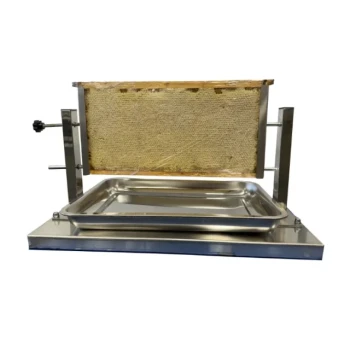
- Professional Adjustable Stainless Steel Honeycomb Display Stand
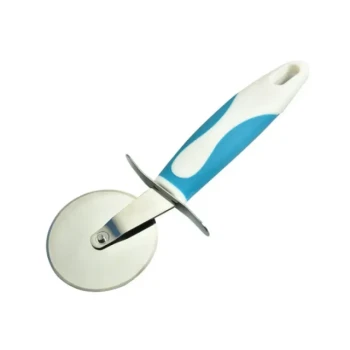
- Professional Rolling Wax Cutter with Ergonomic Handle
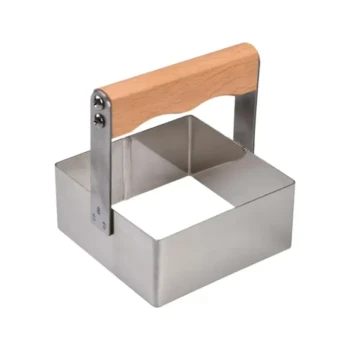
- Heavy Duty Stainless Steel Honeycomb Cutter
- Professional Wide Blade Honey Scraper for Beekeeping and Honey Processing
People Also Ask
- How do adjustable beehive stands address ergonomic needs? Optimize Health and Efficiency in Professional Beekeeping
- Why are professional honey display racks and climate-controlled storage facilities necessary? Protect Your Honey Quality
- Why are constant temperature control cabinets critical for research on long-term honey storage? Ensure Quality Stability
- What are the primary hardware bottlenecks in industrial pollination? Unlocking Scalability with Standardized Equipment
- What role do industrial-grade automatic weather stations play in the management of an apiary? Boost Precision & Yield