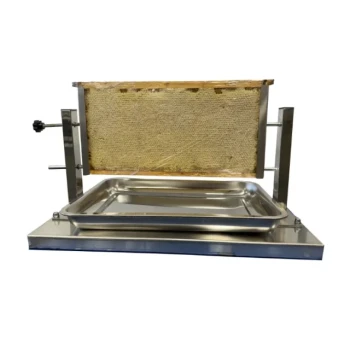
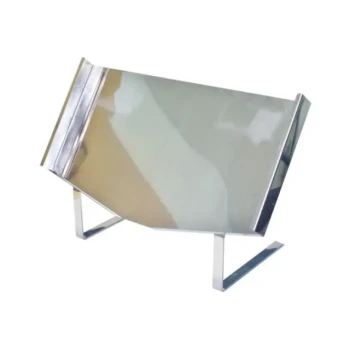
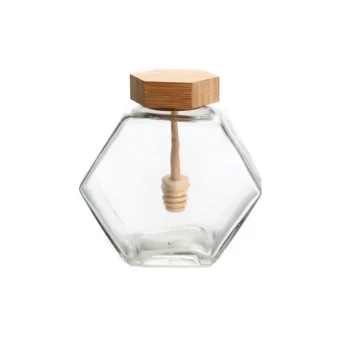
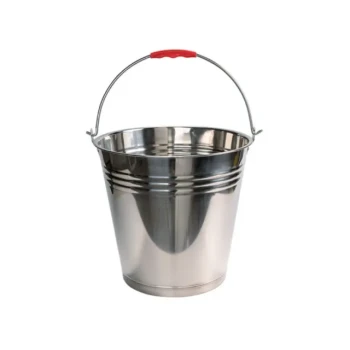
Professional honey display racks and climate-controlled storage facilities are critical for isolating honey from environmental factors that degrade its quality, such as fluctuating temperatures and uncontrolled humidity. Unlike open-air selling or basic warehousing, these specialized environments preserve the honey’s specific physicochemical properties, preventing irreversible issues like color darkening, aroma loss, and nutritional decay throughout the retail lifecycle.
The Core Insight Honey is a biologically active substance, not just a sweetener, and it remains chemically reactive after harvest. Specialized storage is the only reliable method to inhibit natural fermentation and spoilage, allowing producers to transition from selling a perishable raw material to a stable, premium commodity.
Preserving Physicochemical Integrity
Preventing Sensory Degradation
The primary reference highlights that uncontrolled environments lead to immediate quality loss. Professional display racks are designed to mitigate these risks, ensuring the honey does not suffer from color darkening or the evaporation of volatile aromatic compounds.
Inhibiting Fermentation and Spoilage
Raw honey contains natural yeasts and enzymes. Without precise temperature and humidity regulation, these components can trigger fermentation, leading to soured flavors and spoilage. Climate-controlled facilities effectively arrest these biological processes to maintain freshness.
Managing Crystallization
While crystallization is natural, uncontrolled crystallization can be visually unappealing or result in an inconsistent texture. specialized storage allows for the regulation of this process, preventing "over-crystallization" and ensuring the texture remains consumer-friendly.
The Economic Advantages of Controlled Storage
Extending Shelf Life
By preventing the degradation of active nutrients—such as those found in royal jelly and bee pollen—these facilities significantly extend the viable life of the product. This transforms honey from a rapidly degrading agricultural crop into a shelf-stable retail product.
Enabling Strategic Market Timing
Standard storage forces producers to sell immediately after harvest, often leading to price competition during a market glut. Climate control allows producers to hold inventory safely and execute off-season sales strategies, selling when market demand peaks and prices are higher.
Elevating Product Status
Using professional filtration and storage systems supports organic production standards and removes impurities while keeping biological components intact. This adherence to high standards allows honey to be certified with geographical indication labels, elevating its market value from a basic agricultural product to a premium specialty.
Understanding the Operational Trade-offs
The Investment vs. Value Gap
Implementing professional climate control moves a producer away from low-cost, open-air selling models. While this requires significant infrastructure investment, it is the defining factor that allows for premium pricing; without it, the product is confined to the lower-value "raw material" market tier.
Maintenance of Bio-Activity
There is a delicate balance in processing honey. The goal of these facilities is to remove impurities via sedimentation and filtration without stripping away the nutritional value. Mismanagement of these systems can accidentally degrade the very biological activity (enzymes and nutrients) they are meant to protect.
Making the Right Choice for Your Goal
To determine if this level of infrastructure is necessary for your operation, consider your market positioning:
- If your primary focus is the Premium/Organic Market: You must invest in climate-controlled facilities to prevent nutrient degradation and meet strict certification requirements for organic or geographical labels.
- If your primary focus is Profit Maximization: You should utilize controlled storage to extend shelf life, allowing you to bypass harvest-season price wars and sell during peak demand periods.
Ultimately, professional storage turns honey from a volatile crop into a durable, high-value asset.
Summary Table:
| Feature | Impact on Honey Quality | Economic Benefit |
|---|---|---|
| Temperature Control | Prevents fermentation and color darkening | Extends shelf life for off-season sales |
| Humidity Regulation | Stops moisture absorption and spoilage | Maintains premium organic certifications |
| Professional Racks | Protects volatile aromas and limits UV exposure | Enhances product status and retail appeal |
| Controlled Crystallization | Ensures consistent, consumer-friendly texture | Increases market value and buyer trust |
Maximize Your Honey’s Market Value with HONESTBEE
As a commercial apiary or distributor, your success depends on transitioning from selling raw materials to offering premium, stable commodities. HONESTBEE provides the essential infrastructure needed to protect your harvest and boost your bottom line.
We supply a comprehensive range of professional beekeeping tools, from honey-filling and hive-making machinery to specialized hardware and industry consumables. Whether you are looking to enhance your storage capabilities or expand your retail presence with honey-themed merchandise, our wholesale solutions are tailored for large-scale operations.
Ready to scale your production and secure higher margins?
Contact HONESTBEE Today — Let us equip your business with the professional machinery and equipment needed to lead the market.
References
- Ahmed Alghamdi, Nuru Adgaba. Structure and Performance of the Retail Outlets of Honey in the Kingdom of Saudi Arabia. DOI: 10.4236/fns.2014.513127
This article is also based on technical information from HonestBee Knowledge Base .
Related Products
- Professional Adjustable Stainless Steel Honeycomb Display Stand
- Stainless Steel Pail Perch Bucket Bench
- Minimalist Stainless Steel Honeycomb Display Stand
- Hexagonal Glass Honey Jar with Wooden Lid Integrated Dipper Elegant Functional Storage
- Classic Drum Shaped Glass Honey Jar with Airtight Lid
People Also Ask
- How do adjustable beehive stands address ergonomic needs? Optimize Health and Efficiency in Professional Beekeeping
- Why are constant temperature control cabinets critical for research on long-term honey storage? Ensure Quality Stability
- What are the primary hardware bottlenecks in industrial pollination? Unlocking Scalability with Standardized Equipment
- What role do industrial-grade automatic weather stations play in the management of an apiary? Boost Precision & Yield
- What role do automatic weather stations play in predicting Varroa destructor outbreaks? Optimize Pest Prevention