Specialized queen cell molds serve as artificial surrogates that replicate the natural environment necessary for rearing queen bees. In the Doolittle method, these molds are secured to a frame and loaded with one-day-old larvae and royal jelly. Their primary purpose is to induce nurse bees to accept the grafted larvae as royalty, ensuring they receive the specialized care required to develop into high-quality queens.
The core function of the queen cell mold is to standardize the biological signal sent to the colony, tricking nurse bees into mass-producing queens on an artificial timeline rather than waiting for natural swarming or supersedure events.
The Biological Function of the Mold
Simulating the Natural Cell Base
In nature, worker bees construct a unique, peanut-shaped cell base when they intend to raise a new queen.
Specialized molds mimic this specific shape. By replicating the physical dimensions of a natural queen cup, the mold acts as a visual and tactile cue to the nurse bees.
This structural mimicry is essential for triggering the bees' instinct to secrete royal jelly, the nutrient-rich substance that drives queen development.
Enhancing Larval Acceptance
The success of the Doolittle method hinges on the colony accepting a transferred (grafted) larva.
Pre-applying royal jelly into the mold before grafting serves two purposes: it prevents the larva from drying out and immediately signals the bees to continue feeding.
The mold provides a secure, recognized container that protects the larva during this critical acceptance phase.
Facilitating Industrial-Scale Production
Enabling Batch Processing
Without artificial molds, beekeepers are limited to the random locations where bees choose to build cells.
By attaching these molds to specialized grafting bars, technicians can arrange dozens of potential queens in a single frame.
This transforms queen rearing from a chaotic natural event into a structured, manageable production line.
Standardization of Genetic Quality
The use of standardized molds allows for the precise selection of larvae from a specific "breeder" mother.
Because the environment (the mold) is identical for every larva, the resulting queens tend to have more stable genetic traits and uniform quality.
This consistency is vital for large-scale propagation of superior maternal lines.
Critical Factors for Success
The Importance of Material and Shape
Not all molds are created equal; the supplementary data indicates that material and shape are critical variables.
If the mold does not accurately mimic the natural texture or dimensions of a wax cup, nurse bees may reject the graft entirely.
Beekeepers must ensure the molds used are compatible with the specific colony's preferences to maintain high acceptance rates.
Precision in Grafting
While the mold provides the vessel, the transfer mechanism is equally important.
Using specialized grafting needles to place the larva into the mold minimizes physical damage.
Even the best mold cannot compensate for a larva that was injured during the transfer process.
Making the Right Choice for Your Goal
To maximize the effectiveness of the Doolittle method, align your use of cell molds with your specific objectives:
- If your primary focus is High Acceptance Rates: Prioritize molds that allow for the generous pre-application of royal jelly to ensure immediate nursing attention.
- If your primary focus is Genetic Consistency: Use the batch-processing capability of the molds to graft a large number of larvae from a single, high-performing breeder mother at once.
The specialized mold is the bridge between the beekeeper's schedule and the bee's biological instincts.
Summary Table:
| Feature | Purpose in Doolittle Method | Benefit for Beekeepers |
|---|---|---|
| Structural Mimicry | Replicates natural queen cup shape/size | Triggers nurse bees' instinct to secrete royal jelly |
| Batch Processing | Molds attached to grafting bars in rows | Enables industrial-scale, structured production |
| Genetic Control | Allows grafting from specific breeder queens | Ensures uniform quality and stable genetic traits |
| Larval Protection | Provides a secure vessel for grafted larvae | Increases acceptance rates and prevents dehydration |
Elevate Your Queen Rearing with HONESTBEE
Successful artificial queen rearing starts with the right equipment. HONESTBEE provides professional-grade beekeeping tools, specialized queen cell molds, and high-precision grafting machinery designed specifically for commercial apiaries and global distributors.
Our comprehensive wholesale portfolio includes everything from specialized hive-making and honey-filling machines to the essential consumables that keep your operations running smoothly. Partner with us to scale your production and secure superior genetic lines with ease.
Ready to optimize your apiary's output? Contact us today for wholesale inquiries and expert support!
References
- Arda Onur ÖZKÖK, Murat Selçuk. Sperm Storage and Artificial Insemination in Honey Bees. DOI: 10.38058/ijsl.661629
This article is also based on technical information from HonestBee Knowledge Base .
Related Products
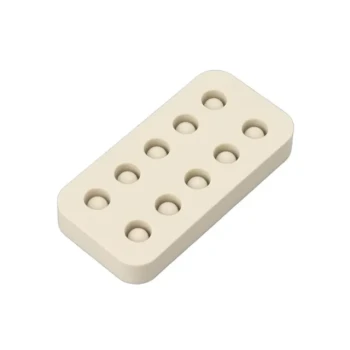
- 10-Cell Silicone Beeswax Bee Queen Cups Forming Mold
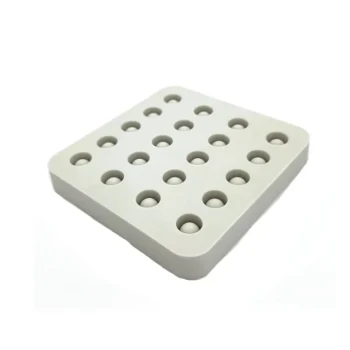
- High-Efficiency 20-Cell Silicone Mold for Beeswax Bee Queen Cup Production
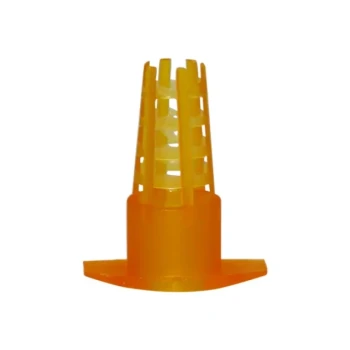
- JZBZ Type Wide Base Plastic Queen Cell Cups for Base Mounting and Queen Rearing
- Clear Black Plain Polystyrene Queen Bee Grafting Cell Cups No Lug for Bee Queen Cup
- Brown Nicot Queen Cell Cups for Breeding Queen Bees Beekeeping
People Also Ask
- How do beeswax queen cell cups function? Optimize Queen Rearing with Biological Mimicry
- What is the biological function of beeswax queen cell cups? Boost Acceptance in Artificial Queen Rearing
- What role do specialized queen rearing tools play in developing mite-resistant honeybee stock? Master Genetic Selection
- What materials are used to make artificial queen cell cups for grafting? Beeswax vs. Plastic Guide
- What roles do specialized queen cell cups play in royal jelly production? Optimize Your Hive's Secretion and Yield