Multistage filtration systems are essential for transforming raw hive yields into market-ready products. They function to rigorously remove physical impurities—specifically wax fragments, bee remains, propolis particles, and mechanical debris—while establishing the clarity required for commercial sale.
The ultimate goal of this process is to achieve commercial-grade purity and food safety compliance without compromising the natural enzymes and nutritional profile that define high-quality honey.
Achieving Commercial Purity
Eliminating Physical Contaminants
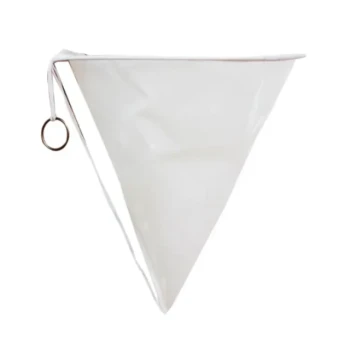
Raw honey extracted directly from the honeycomb naturally contains various biological debris. The primary function of the filtration system is to mechanically remove wax fragments, bee parts, and propolis particles.
Eliminating these elements is non-negotiable for meeting basic food hygiene standards. It ensures the final product is free from foreign material that would otherwise degrade the consumer experience.
Enhancing Sensory Quality
Beyond basic hygiene, filtration directly impacts the sensory appeal of the honey. By removing fine suspended particles, the system significantly improves the product's color and clarity.
This visual refinement is often necessary to achieve specific market gradings. A clear, lustrous appearance is frequently associated with higher commercial value and consumer confidence.
Preserving Biological Integrity
Protecting Natural Enzymes
While cleaning the honey is the surface goal, the deeper technical challenge is doing so without "killing" the product. High-precision filtration is designed to clean the honey while leaving its biological activity intact.
Primitive methods might strip the honey of its value, but professional systems ensure that natural enzymes remain active in the final jar.
Retaining Nutritional Components
Honey is valued for its nutritional complexity, not just its sweetness. A properly calibrated multistage system balances purification with retention.
It ensures that while debris is removed, the essential nutritional components are preserved. This distinction separates refined, high-quality honey from overly processed sugar syrups.
Understanding the Trade-offs
The Risk of Over-Filtration
There is a delicate balance between clarity and quality. Aggressive filtration can sometimes strip away beneficial microscopic elements, such as pollen, along with the impurities.
Balancing Hygiene and "Raw" Qualities
The challenge lies in defining "purity." While you must remove bee remains and wax for hygiene, removing too much particulate matter can lower the honey's nutritional classification. The equipment must be set to precise accuracy levels to navigate this trade-off effectively.
Making the Right Choice for Your Goal
When configuring or selecting a filtration process, consider your end product's positioning:
- If your primary focus is Mass Market Retail: Prioritize higher filtration accuracy to ensure maximum clarity, shelf stability, and a consistent, debris-free visual appearance.
- If your primary focus is Artisanal or "Raw" Honey: Calibrate your system to remove only macroscopic debris (wax/bee parts) while allowing fine pollen and enzymes to pass through to preserve the nutrient profile.
Effective filtration is not just about cleaning; it is the art of refining appearance while protecting the honey's living chemistry.
Summary Table:
| Filtration Objective | Key Contaminants Removed | Impact on Final Product |
|---|---|---|
| Physical Purity | Wax, bee remains, propolis, mechanical debris | Ensures food safety and hygiene compliance |
| Sensory Quality | Fine suspended particles | Improves color, clarity, and market value |
| Biological Integrity | None (Preserves enzymes/pollen) | Maintains nutritional profile and "raw" status |
| Shelf Stability | Crystallization nuclei | Extends liquid shelf life for retail markets |
Elevate Your Honey Production with HONESTBEE
At HONESTBEE, we specialize in empowering commercial apiaries and distributors with professional-grade refining solutions. Whether you are looking for high-precision honey-filling machines or advanced honey processing equipment, our comprehensive wholesale offering is designed to protect your honey’s natural integrity while meeting strict commercial standards.
Our value to you:
- Full Spectrum Supply: From specialized hive-making machinery to essential industry consumables.
- Market-Ready Quality: Achieving the perfect balance between liquid clarity and enzyme preservation.
- Targeted Solutions: Tailored equipment for both mass-market retail and artisanal honey brands.
Ready to optimize your refinery? Contact us today to discuss your equipment needs and see how our expertise can grow your beekeeping business.
References
- María Fernanda Miranda Salazar, Luis Antonio Velasco Matveev. Proposal for the Production and Marketing of Beekeeping Products. DOI: 10.18502/espoch.v2i2.11194
This article is also based on technical information from HonestBee Knowledge Base .
Related Products
- Professional Stainless Steel Honey Filtering Machine with Water Bath Heating for Beekeeping
- Two-Stage Plastic Honey Filter for Buckets
- Electric Double Wall Honey Filtering Machine Purifier Equipment for Honey Processing Plant
- Professional Honey Filter with Tripod Support Stand
- Honey Concentrating and Filtering Dehumidifier Machine 2T Capacity for Honey
People Also Ask
- Is it necessary to filter honey after extraction? A Guide to Straining vs. Raw Honey
- Why do people filter honey? For Clarity, Stability, and Consumer Appeal
- Why is filtering honey an important step in honey processing? Ensure Purity, Clarity & Marketability
- What is the best way to filter honey? A Guide to Quality, Clarity, and Raw Preservation
- What are the benefits of using honey filters? Achieve Purity, Efficiency, and Market Appeal