The primary function of vacuum drying equipment is sample stabilization. It is used to rapidly extract moisture from wet hive debris at low temperatures. This specific pretreatment is essential for preventing biological decay, such as mold, while ensuring the physical structure of the sample remains intact for analysis.
The core value of this technique lies in its ability to dry samples without thermal damage, preserving the morphological integrity of parasitic mites for precise identification and counting.
Preventing Sample Degradation
Halting Biological Decay
Wet hive debris is highly susceptible to spoilage. Vacuum drying rapidly removes the moisture content that typically fuels mold growth and degradation. By eliminating water, the sample is stabilized for transport and storage.
Low-Temperature Processing
Unlike conventional drying methods that may rely on high heat, vacuum drying operates effectively at low temperatures. This ensures that the drying process itself does not damage the biological material within the debris.
Enhancing Analytical Accuracy
Protecting Morphological Integrity
The most critical aspect of this pretreatment is its impact on parasitic mites. The process preserves the physical shape and structure (morphology) of the mites found in the debris.
Facilitating Microscopic Examination
Preserving the shape of the specimens is vital for the laboratory phase. Intact specimens allow researchers to perform precise species identification. It also ensures accurate population counts when viewing samples under a microscope.
Understanding the Risks of Improper Drying
The Threat of Thermal Damage
If samples are dried using high heat rather than a vacuum, delicate specimens can become brittle or distorted. This makes it difficult to distinguish between different species of mites.
The Consequence of Slow Drying
If moisture is not removed rapidly, the sample may degrade before it reaches the lab. This loss of integrity renders the sample useless for reliable quantitative analysis.
Optimizing Your Apiary Investigation Workflow
To ensure high-quality data from your hive investigations, align your sample preparation with your analytical goals.
- If your primary focus is sample preservation: Vacuum drying is critical to rapidly arrest mold growth and prevent the rot of organic hive debris.
- If your primary focus is diagnostic accuracy: This method is non-negotiable for maintaining the structural details required to identify and count parasitic mites correctly.
Proper pretreatment is the invisible foundation of reliable data in apiary health investigations.
Summary Table:
| Feature | Vacuum Drying Benefit | Impact on Analysis |
|---|---|---|
| Temperature Control | Low-temperature moisture removal | Prevents thermal damage to delicate biological tissues |
| Moisture Extraction | Rapid dehydration | Halts mold growth and biological decay immediately |
| Sample Integrity | Preserves morphological structure | Enables precise mite species identification and counting |
| Storage Stability | Long-term sample stabilization | Ensures reliable transport from apiary to laboratory |
Maximize Your Apiary Productivity with HONESTBEE
Precise data starts with the right equipment. HONESTBEE specializes in supporting commercial apiaries and distributors with a complete range of professional beekeeping tools and machinery. From advanced hive-making systems and honey-filling machines to essential industry consumables, we provide the hardware necessary to scale your operations.
Why partner with HONESTBEE?
- Comprehensive Wholesale Catalog: Access a full spectrum of specialized beekeeping equipment.
- Quality Guarantee: Reliable machinery designed for the rigors of commercial honey production.
- Industry Expertise: We cater specifically to the needs of large-scale honey producers and global distributors.
Ready to elevate your beekeeping business with professional-grade solutions? Contact us today to explore our wholesale offerings!
References
- Qi Hua Luo, Qiang Wang. Prevalence, intensity and associated factor analysis of Tropilaelaps mercedesae infesting Apis mellifera in China. DOI: 10.1007/s10493-011-9459-z
This article is also based on technical information from HonestBee Knowledge Base .
Related Products
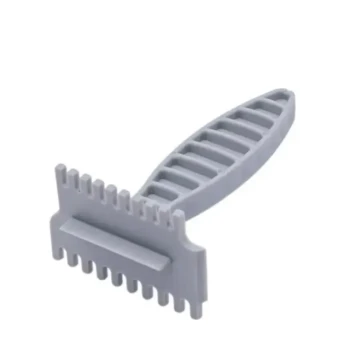
- Lightweight Durable Plastic Queen Excluder Scraper for Beekeeping
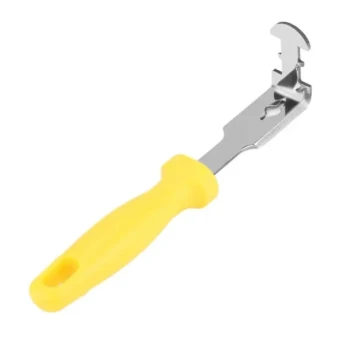
- Precision Stainless Steel Frame Cleaner for Hive Grooves and Corners
- High-Efficiency Pneumatic Bee Hive Making Machine for Rapid Box Assembly
- Langstroth Screen Bottom Board for Beekeeping Wholesale
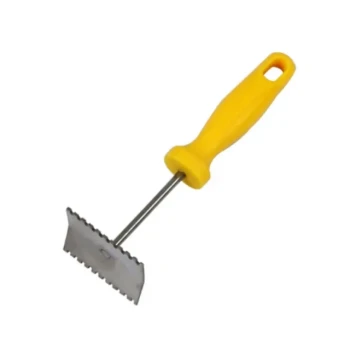
- Stainless Steel Scraper for Metal Queen Bee Excluders
People Also Ask
- Why are standardized hive frames and queen excluders essential for maintaining honey purity and quality? Scale Your Purity
- What types of queen excluders are available for beekeepers? Choose the Right Tool for Your Hive
- What are the benefits of using a queen excluder for monitoring and managing the queen bee? Master Hive Control Today!
- What is the purpose of removing queen excluders during the queen bee installation? Maximize Colony Growth Today
- What is a queen excluder in beekeeping? A Guide to Hive Management & Honey Production