Removing the queen excluder is a prerequisite for successful colony establishment. When installing a new queen, usually via a package or nuc, you must remove this mesh barrier to grant the queen unrestricted access to the hive's interior. This freedom allows her to traverse the frames and deposit eggs wherever necessary, which is essential for establishing a healthy brood pattern and accelerating the colony's overall development.
By removing physical barriers, you prioritize rapid population growth over resource segregation. A new colony’s immediate survival depends on the queen’s ability to maximize brood production without spatial limitations.
Facilitating Unrestricted Colony Growth
Enabling Natural Brood Patterns
The primary goal during the installation phase is population expansion. The queen needs to lay thousands of eggs to build a workforce.
By removing the excluder, you allow the queen to seek out the best cells for egg-laying across multiple boxes if necessary. This promotes a solid, dense brood pattern that is critical for a strong hive.
Avoiding Artificial Constraints
A queen excluder is designed to limit movement. While useful later, it is a hindrance during the critical first weeks.
If a queen is confined to a specific area that becomes full or unsuitable, she cannot move to empty frames to continue laying. This restriction can stall the colony's momentum exactly when it needs to grow the fastest.
Understanding the Mechanics
How the Excluder Works
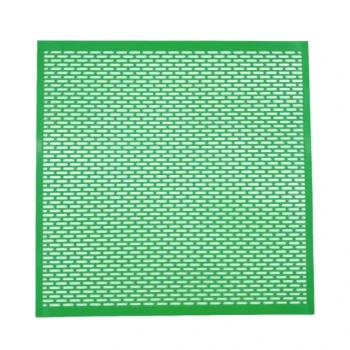
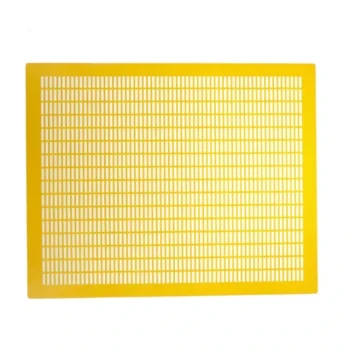
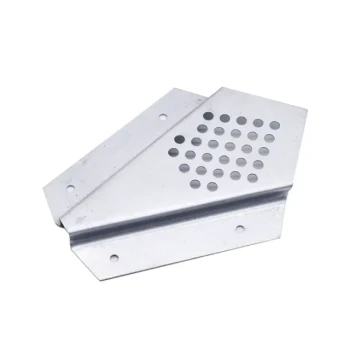
As detailed in technical beekeeping references, a queen excluder is a mechanical screen with precise gaps.
These gaps are large enough for worker bees to pass through but too narrow for the larger abdomen of a queen bee. In mature hives, this creates a physical boundary between the brood nest (babies) and the honey supers (food storage).
The Distinction Between Cage and Excluder
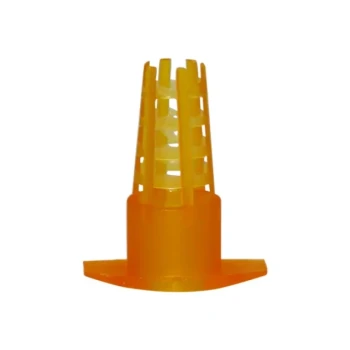
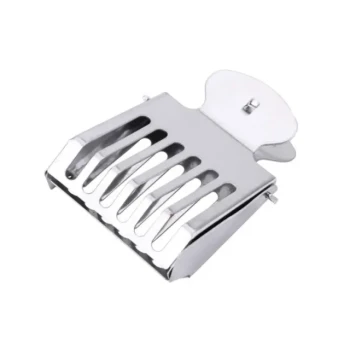
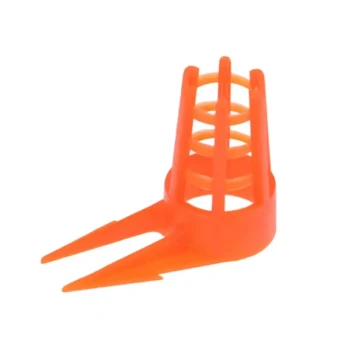
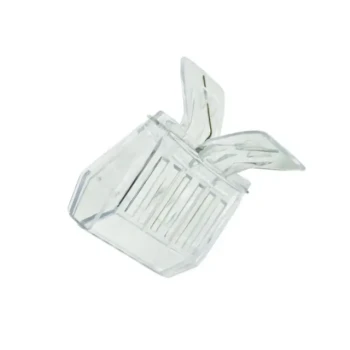
It is vital not to confuse the queen cage with the queen excluder.
The queen cage acts as a protective shield, allowing the workers to acclimate to the queen's pheromones without killing her. The excluder, however, is a hive-wide barrier. You generally keep the queen in her cage for release, but you remove the large excluder screen so she isn't trapped once she exits the cage.
Common Pitfalls and Trade-offs
When to Re-introduce the Excluder
You should only consider using a queen excluder once the colony is fully established and you are shifting focus to honey production.
Using it too early prevents the queen from "chimneying" (moving up through the hive to lay eggs), which is natural behavior in a growing colony.
The Risk of Premature Restriction
While excluders make it easier to find the queen during inspections by narrowing her location, this convenience comes at a cost during installation.
Prioritizing the beekeeper's convenience over the queen's biological need for space can lead to a smaller population and a weaker colony going into winter.
Making the Right Choice for Your Goal
To determine the correct equipment setup, assess the current stage of your colony's lifecycle:
- If your primary focus is installing a new colony: Remove the excluder completely to ensure the queen has total freedom to establish a robust brood nest.
- If your primary focus is harvesting pure honey: Re-install the excluder only after the colony is strong, placing it above the brood boxes to keep eggs out of your honey supers.
- If your primary focus is locating the queen quickly: Use the excluder temporarily (e.g., for three days) to confine her to a specific box for easier inspection, but do not leave it permanently during the growth phase.
Give your new queen the space she needs today so she can build the workforce you will need tomorrow.
Summary Table:
| Stage of Colony Lifecycle | Role of Queen Excluder | Benefit to Beekeeper |
|---|---|---|
| Installation / Nuc Phase | Removed | Facilitates rapid population growth & natural brood patterns. |
| Colony Growth Phase | Removed | Prevents "chimneying" restrictions and ensures a strong workforce. |
| Honey Production Phase | Installed | Keeps the queen out of honey supers for cleaner harvesting. |
| Targeted Queen Search | Temporary Use | Limits the queen to a specific box for easier identification. |
Scaling Your Beekeeping Operation? Partner with HONESTBEE
At HONESTBEE, we understand that commercial success depends on the right tools at every stage of the colony lifecycle. Whether you are a commercial apiary needing advanced hive-making and honey-filling machinery or a distributor looking for a reliable wholesale partner for beekeeping tools, hardware, and industry consumables, we provide the comprehensive equipment spectrum you need to thrive.
From specialized hardware to honey-themed cultural merchandise, our portfolio is designed to enhance your efficiency and profitability. Empower your apiary with professional-grade solutions—contact us today to discuss your wholesale requirements!
Related Products
- High Performance Plastic Queen Excluder for Beekeeping and Apiary Management
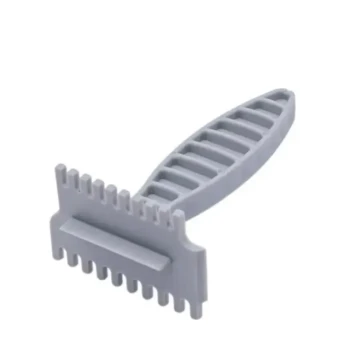
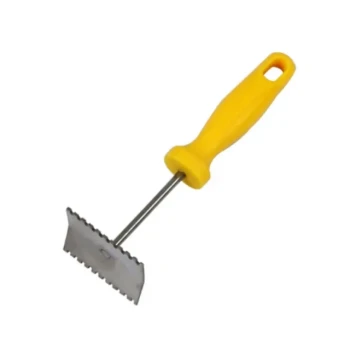
- Lightweight Durable Plastic Queen Excluder Scraper for Beekeeping
- Premium Wood Framed Metal Wire Queen Bee Excluder
- Professional Plastic Queen Excluder for Modern Beekeeping
- Metal Queen Bee Excluder for Beekeeping
People Also Ask
- What are the characteristics of a plastic queen excluder? Key Benefits for Cost-Effective Beekeeping
- What are the operational and cost advantages of using plastic queen excluders over metal or wire excluders in commercial hive management? Discover how they reduce labor, prevent wing damage, and lower total costs.
- What types of queen excluders are available for beekeepers? Choose the Right Tool for Your Hive
- Why are standardized hive frames and queen excluders essential for maintaining honey purity and quality? Scale Your Purity
- Do plastic queen excluders work? A Cost-Effective Solution for Modern Apiaries