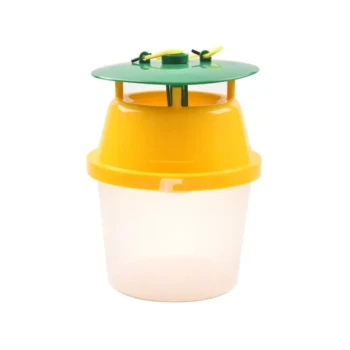
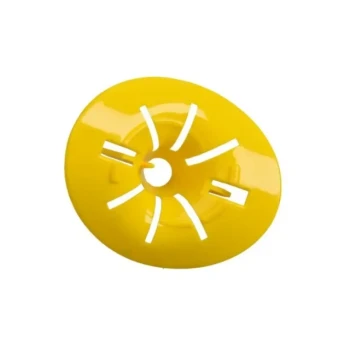
For a functional DIY pollen trap, the ideal hole size is precisely 5.2 mm. This specific diameter creates a restriction just tight enough to dislodge the pollen pellets from the bees' rear legs as they squeeze through, without preventing their entry into the hive.
Core Insight: A 5.2 mm aperture is the critical threshold for effective pollen collection. While the hole size dictates functionality, the placement of your trap (specifically top-mounting) dictates the purity of the harvest, though it comes with specific management trade-offs.
The Mechanics of Exclusion
The Precision of 5.2 mm
The success of a pollen trap relies entirely on the geometry of the entrance holes.
At 5.2 mm, the opening is calibrated to allow the bee’s body to pass through comfortably.
However, this size is too narrow for the pollen baskets (corbiculae) on their hind legs to pass untouched. As the bee forces her way in, a portion of the pollen is scraped off and falls into the collection tray below.
Why Precision Matters
If the holes are too large, the bees will enter with their pollen load intact, rendering the trap useless.
If the holes are too small, you risk stripping the bees of their hair, damaging their wings, or blocking entry entirely, which can stress the colony.
Optimizing Trap Placement
The Advantage of Top-Mounted Traps
When building your DIY trap, strongly consider a top-mounted design.
These traps are installed above the brood chambers rather than at the bottom board.
The primary benefit of this configuration is purity. Because debris like wax cappings and bee parts naturally fall to the bottom of the hive, top-mounted traps collect significantly cleaner pollen.
Required Acclimation
Bees are creatures of habit and typically orient to a bottom entrance.
To use a top-mounted trap effectively, you must pre-acclimate your bees to use a top entrance before installing the trap.
If you install the trap without this transition period, the colony may become confused and struggle to forage effectively.
Operational Trade-offs
The "All or Nothing" Factor
Unlike some bottom-board designs, top-mounted traps generally lack an "on/off" mechanism.
You cannot simply disengage the stripping plate to let the bees keep their pollen.
To stop collection, you must completely remove the trap and replace it with a standard top entrance.
Disruption During Removal
Because the trap is integrated into the hive structure, removing it requires physical manipulation of the hive components.
This is less convenient than sliding a tray out or flipping a lever, making top-mounted traps better suited for planned, longer-term collection periods rather than intermittent daily use.
Making the Right Choice for Your Project
- If your primary focus is pollen purity: Build a top-mounted trap to minimize contamination from hive debris and wax.
- If your primary focus is colony stability: Ensure you have ample time to train your bees to a top entrance before the pollen flow begins.
- If your primary focus is ease of operation: Be prepared for the manual labor required to remove the entire unit when you wish to stop harvesting.
Success in pollen trapping requires balancing precise construction with patient hive management.
Summary Table:
| Feature | Specification/Detail | Benefit |
|---|---|---|
| Ideal Hole Diameter | 5.2 mm | Scrapes pollen off legs without harming the bee |
| Optimal Placement | Top-mounted | Ensures purity by avoiding hive debris and wax |
| Trap Mechanism | Mechanical Exclusion | High-efficiency collection of pollen pellets |
| Key Requirement | Pre-acclimation | Ensures bees are trained to the top entrance |
| Primary Goal | Purity & Function | Balances high-quality harvest with colony safety |
Maximize Your Harvest with HONESTBEE Professional Equipment
At HONESTBEE, we understand that precision is the difference between a struggling colony and a thriving business. Whether you are building a custom DIY setup or scaling your operations, we provide the industrial-grade tools and hardware necessary for success.
How we empower commercial apiaries and distributors:
- High-Precision Machinery: From honey-filling machines to specialized hive-making equipment.
- Wholesale Solutions: A full spectrum of beekeeping tools and essential consumables at scale.
- Expert Support: Specialized hardware designed to increase efficiency and minimize labor.
Ready to elevate your beekeeping productivity? Contact HONESTBEE today to explore our comprehensive wholesale offerings and find the perfect equipment tailored to your business needs.
Related Products
- Removable Plastic Pollen Trap With Ventilated Tray for Bees Pollen Collector
- 30 cm Plastic Entrance Hole Bee Pollen Trap and Collector
- Plastic Bee Pollen Trap Strips Comb Catcher Collector
- 8 Frame and 10 Frame Propolis Trap Collector Screen for Propolis Collection
- Professional Bucket Style Wasp and Moth Pheromone Trap
People Also Ask
- What are the design principles and advantages of pollen traps in the collection of bee pollen? Boost Your Apiary Yield
- What is the function of professional pollen traps in evaluating honey plants? Quantifying Pollination and Crop Potential
- What functions do pollen traps serve for bee bread production? Optimize Your Raw Material Collection
- What maintenance and pest prevention measures should be taken for pollen traps? Protect Your Hive and Harvest Quality
- How does the use of pollen traps in honeybee hives enhance crop fertilization? Boost Your Yield Through Induced Activity