During a nectar flow, keep the colony at least one honey super ahead of its storage needs. Place clean-comb or foundation supers above a queen excluder, and add a fresh super when the active one is approximately three-quarters full. Position the new, empty super directly above the excluder, then move the partially filled super above it.
Core takeaway: The queen excluder keeps brood out of the honey-storage area, while timely supering prevents nectar congestion. During the flow, maintain spare capacity by adding supers before the bees run out of storage space.
Set Up the Hive Before the Flow Peaks
Confirm the Colony Is Ready
Use a queen excluder only when the colony has a strong, established worker population and is actively building toward surplus production. Installing it too early can make it more difficult for workers to occupy the supers.
The excluder is generally introduced once the brood chamber is well established and the nectar flow is underway, often during the second or third week of a substantial flow. Local weather, forage, and colony strength should determine the exact timing.
Complete Mite Treatments First
Remove any spring or late-season Varroa treatments before adding honey supers intended for harvest. This prevents treatment materials from contaminating marketable honey.
The timing described as “May” applies to some seasonal beekeeping calendars, but the governing principle is local: supers should be added only after treatments are complete and removed according to the product label.
Inspect the Queen’s Location
Before installing the excluder, verify that the queen is in the brood chamber. The queen should remain below the excluder, while worker bees retain access to the supers for nectar storage.
Regular inspections are important because queen cells, restricted laying, or other signs of swarm preparation may require corrective management.
Position the Queen Excluder and Supers Correctly
Install the Excluder Above the Brood Box
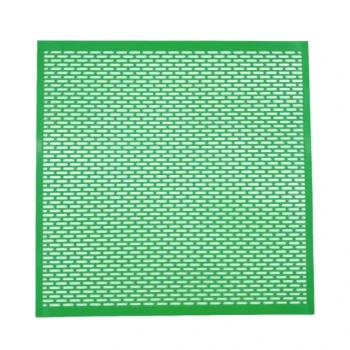
Place the queen excluder directly above the brood chamber. It allows worker bees to pass through while preventing the queen from laying eggs in the honey-storage area.
A correctly positioned excluder keeps harvested honey supers free of brood and reduces the risk of extracting honey containing developing bees.
Add a Prepared Honey Super
Place a honey super containing clean drawn comb or foundation above the excluder. Clean drawn comb is usually immediately usable, while foundation requires the bees to draw comb before they can store substantial nectar.
During an intense flow, prepared comb gives the colony the fastest access to storage capacity.
Help Workers Accept the Excluder
If the bees are reluctant to move above the excluder, placing a couple of comb frames without brood immediately above it can encourage worker traffic into the super. This is particularly useful when the colony has not previously worked above an excluder.
Avoid creating a situation where the excluder becomes an effective barrier to expansion; the objective is to guide the queen, not restrict the workers.
Manage Super Capacity Throughout the Flow
Add the Next Super at Three-Quarter Capacity
When the active super is approximately 75% full, remove it from its position directly above the excluder. Place a fresh, empty super directly above the excluder, then position the partially filled super on top of the new one.
This arrangement puts empty storage immediately where workers enter the honey-storage area while preserving access to the partially filled super above it.
Stay One Super Ahead
The central management rule is to keep one super ahead of the bees throughout the nectar flow. Do not wait until the existing super is completely full before adding capacity.
Adequate empty space prevents nectar congestion in the brood nest and allows foraging bees to continue delivering incoming nectar without delay.
Inspect the Hive Weekly During Peak Flow
Check the colony approximately weekly during periods of rapid nectar intake. Monitor super fill level, queen status, brood condition, queen cells, and the need for additional storage.
Weekly inspection also supports reliable inventory planning for commercial operations, since the demand for supers, frames, foundation, and excluders can rise quickly during a concentrated flow.
Optional Measures to Improve Nectar Movement
Use an Upper Entrance Where Appropriate
An upper entrance can give returning foragers more direct access to the honey supers. It may be created with a dedicated super entrance or by staggering boxes slightly, provided the design remains secure and manageable.
The purpose is to reduce traffic through the bottom entrance, brood chamber, and excluder. This is an optional optimization rather than a substitute for adequate super capacity.
Match Equipment to Operating Scale
Commercial apiaries and distributors should prepare sufficient quantities of compatible supers, frames, foundation, and queen excluders before the flow begins. A standardized equipment program simplifies deployment and reduces delays when colonies require additional storage.
For wholesalers and resellers, dependable availability and rapid fulfillment matter because a delayed super can become a production constraint during a short nectar flow.
Understanding the Trade-offs
Queen Excluders Improve Separation but Can Slow Expansion
A queen excluder provides reliable separation between brood and honey, but some colonies may be slow to pass through it, especially when the upper box is empty or contains only foundation.
Strong colonies, prepared comb, correct timing, and gradual introduction reduce this risk. The excluder should support honey management, not be treated as an automatic solution for every colony.
Adding Supers Too Late Causes Congestion
Waiting until a super is completely full reduces the colony’s available storage space at the moment demand is highest. Bees may then place nectar in the brood area, restricting the queen’s laying space and increasing congestion.
The practical safeguard is simple: add the next super when the current one is about three-quarters full.
Adding Equipment Too Early Can Be Inefficient
Adding supers before the colony has enough workers or before nectar is available can leave the bees unable to occupy the space effectively. This may make temperature regulation and colony management more difficult.
Supering should therefore follow colony strength and forage conditions rather than a fixed calendar date.
Inspections Must Not Become Excessive Disturbance
Weekly checks are valuable during peak flow, but inspections should remain purposeful and efficient. Focus on storage capacity, queen status, brood condition, swarm indicators, and equipment placement.
The goal is to make timely decisions while preserving the colony’s foraging momentum.
How to Apply This to Your Operation
Use the following procedure as a practical operating sequence:
- If your primary focus is maximizing honey production: Install clean-comb or foundation supers above the queen excluder, add the next super at approximately 75% fill, and keep one super ahead of the colony.
- If your primary focus is preventing brood in harvested honey: Confirm the queen is below the excluder, place the excluder above the brood box, and inspect regularly for queen movement or brood above it.
- If your primary focus is commercial apiary efficiency: Complete mite treatments before supering, standardize compatible equipment, and maintain ready inventory for rapid expansion during peak flow.
- If your primary focus is supporting distributors or resellers: Stock a full range of supers, frames, foundation, and queen excluders so customers can respond immediately when colonies reach capacity.
- If your primary focus is improving bee traffic: Consider an upper entrance only after adequate super capacity and correct excluder placement are already in place.
Timely, capacity-led super management keeps colonies productive and gives beekeepers the control needed to convert a strong nectar flow into a clean, efficient honey harvest.
Summary Table:
| Step | Action | Timing/Trigger |
|---|---|---|
| 1 | Verify colony strength and queen location | Before flow peaks |
| 2 | Complete mite treatments before supering | Prior to adding supers |
| 3 | Install queen excluder above brood box | When colony is strong |
| 4 | Add honey super with drawn comb or foundation | Above excluder |
| 5 | Add new super when active one is ¾ full | During flow |
| 6 | Keep at least one super ahead of bees | Throughout flow |
| 7 | Inspect weekly during peak flow | Weekly |
Ready to optimize your nectar flow management? HONESTBEE offers a full range of honey supers, frames, and queen excluders to support your operation. For distributors and commercial beekeepers, we provide wholesale pricing, OEM/ODM options, and rapid fulfillment to keep your colonies productive. Contact us today to discuss your bulk needs and ensure you never miss a beat during peak flows.
Related Products
- High Performance Plastic Queen Excluder for Beekeeping and Apiary Management
- Circular Labyrinth Bee Escape for Efficient Hive Management
- High-Efficiency Diamond Maze Bee Escape for Clearing Supers
- Durable 16 Way Circular Bee Escape for Efficient Honey Harvesting
- Wooden Queen Bee Excluder for Beekeeping
People Also Ask
- What are the characteristics of a plastic queen excluder? Key Benefits for Cost-Effective Beekeeping
- What are the operational and cost advantages of using plastic queen excluders over metal or wire excluders in commercial hive management? Discover how they reduce labor, prevent wing damage, and lower total costs.
- What types of queen excluders are available for beekeepers? Choose the Right Tool for Your Hive
- Why are standardized hive frames and queen excluders essential for maintaining honey purity and quality? Scale Your Purity
- Do plastic queen excluders work? A Cost-Effective Solution for Modern Apiaries