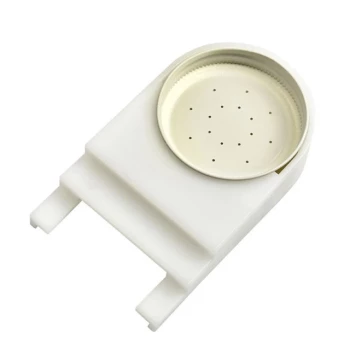
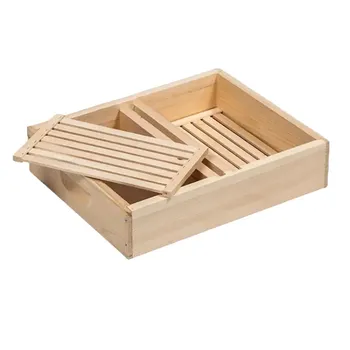
Use a 1:1 sugar syrup and apply it lightly with feeding equipment. Mix equal parts sugar and water, then use a clean spray feeder bottle to mist the package bees through the shipping screen and lightly over the inner hive frames. Before handling, this encourages the bees to engorge on syrup, which generally makes them calmer and easier to install.
Recommended method: Use 1 part white granulated sugar to 1 part water, lightly mist the bees rather than soaking them, then provide continuing syrup through a clean, leak-proof hive-mounted feeder after installation.
How to Prepare the Syrup
Use the correct ratio
For installing package bees, prepare a 1:1 sugar-to-water syrup. This is a light feed that supports hydration and early colony establishment.
Use clean, pure white granulated cane or beet sugar. Avoid brown sugar, molasses, sorghum, dairy-derived sugars, and powdered sugar because they can create digestive problems or blockages.
Avoid overheating the mixture
Do not unnecessarily heat fructose-based feeds or add acidic ingredients such as cream of tartar. High heat and acid can promote formation of hydroxymethylfurfural (HMF), which is toxic to honey bees.
How to Apply Syrup During Installation
Mist the bees through the package screen
Place the syrup in a clean spray feeder bottle and apply a light mist through the package’s screen. The bees should be dampened lightly, not saturated or drenched.
The spray helps hydrate the bees and encourages them to fill their honey stomachs, improving handling behavior during installation.
Mist the inner hive frames lightly
A light application over the inner hive frames can help make syrup immediately available as the bees enter the hive. Avoid excessive spraying, which can chill or stress the bees and create unnecessary moisture.
Install the queen and release the bees
After confirming that the queen is alive and exposing the candy plug, create working space by temporarily removing several frames. Hang the queen cage between frames with the candy side facing upward, then pour or shake the package bees into the hive.
The syrup application should take place before and during this handling process, not as a substitute for properly positioning the queen cage.
How to Feed Bees After Installation
Use a hive-mounted feeder
After the bees are installed, provide additional 1:1 syrup in a hive-mounted feeder, such as a top feeder or another clean syrup container designed for hive use.
This sustained supply supports wax production, comb construction, brood rearing, and early colony establishment when natural nectar is limited.
Maintain a reliable feeding schedule
Continue providing light syrup during the early establishment period, commonly for several weeks when conditions require it. Refill based on consumption and colony condition rather than automatically providing unlimited syrup.
A practical approach is to allow several days between substantial refills and inspect the colony regularly.
Understanding the Trade-offs
Avoid overfeeding
Rapid syrup consumption does not necessarily mean the colony needs unlimited feed. Excessive syrup can fill available comb and create a honeybound condition, leaving insufficient open cells for the queen to lay eggs.
Match feeding to conditions
The 1:1 ratio is appropriate for package installation and spring stimulation. A thicker 2:1 sugar-to-water syrup is generally reserved for building winter stores, not for the initial installation process.
Protect feed quality
Use clean, leak-proof equipment and replace contaminated syrup promptly. Poor feeder hygiene or leaking equipment can create moisture, robbing, and colony-management problems.
How to Apply This to Your Project
The best method depends on whether the priority is safe installation, rapid establishment, or efficient apiary operations.
- If your primary focus is safe package installation: Use a clean spray feeder bottle to apply a light mist of 1:1 syrup through the package screen and over the inner frames before handling.
- If your primary focus is early colony growth: Install a hive-mounted top or gravity feeder containing fresh 1:1 syrup after the bees and queen cage are positioned.
- If your primary focus is equipment reliability: Use leak-proof, hive-compatible feeders and maintain consistent cleaning and refill procedures.
- If your primary focus is preventing management problems: Monitor syrup intake and avoid excessive feeding that could leave the colony honeybound.
A light 1:1 mist calms and hydrates package bees, while controlled hive-feeder use supplies the sustained nutrition needed for successful establishment.
Summary Table:
| Aspect | Recommendation |
|---|---|
| Syrup ratio | 1:1 (white sugar to water) |
| Application method | Light mist with spray feeder on bees and frames |
| Post-installation feeding | Use hive-mounted feeder with 1:1 syrup |
| Avoid | Overheating syrup, overfeeding, and poor hygiene |
Ready to equip your apiary with top-quality feeding tools? HONESTBEE offers a comprehensive range of beekeeping equipment, from spray feeders to hive-mounted feeders, designed for efficiency and reliability. Whether you're a commercial apiary or a distributor, our one-stop sourcing and premium services ensure you get the best products with fast delivery. Contact us today to discuss your needs and experience the HONESTBEE advantage! Get in touch.
Related Products
- HONESTBEE Entrance Bee Feeder Efficient Hive Front Liquid Feeding Solution for Beekeeping
- Rapid Bee Feeder White Plastic 2L Round Top Feeder for 8 or 10-Frame Bee Hives
- White Plastic 0.5L Beekeeping Entrance Feeder for Bees
- Classic Boardman Entrance Bee Feeder Hive Front Feeding Solution
- HONESTBEE Professional Hive Top Bee Feeder Feeding Solution
People Also Ask
- What types of bee feeders are available for beginners? Start with the Simple Entrance Feeder
- What are the advantages and disadvantages of using an entrance feeder for bees? Balance Convenience and Hive Security.
- What is a bee entrance feeder and what are its drawbacks? Essential Guide to Hive Security and Feeding Efficiency
- How does a bee entrance feeder work? A Simple Guide to Convenient Hive Feeding
- How to make an entrance feeder for bees? A DIY Guide for Safe & Effective Feeding