High-magnification magnifying glasses are critical for the rapid, on-site identification of Varroa mites, enabling technicians to observe parasites directly on adult bees and within capped brood cells. This tool bridges the gap between naked-eye observation and laboratory analysis, allowing for immediate infestation rate calculations that are vital for colony survival. By providing visual enhancement, these tools ensure that mites—typically measuring only 1.1 mm to 1.7 mm—are not missed during manual inspections.
A high-magnification lens is the primary diagnostic tool for determining honeybee infestation rates in the field, ensuring accurate differentiation between Varroa mites and look-alikes like bee-lice. For distributors, offering these high-precision optical tools is essential for providing a complete, professional-grade integrated pest management (IPM) solution.
Direct Observation and Infestation Assessment
Visual Verification on Adult Honeybees
Varroa mites are extremely small ectoparasites that typically hide within the thorax or abdominal segments of adult honeybees.
A high-magnification magnifying glass provides the necessary visual enlargement for technicians to identify these minute foreign bodies directly on the bee's surface.
This immediate visual confirmation allows for a rapid assessment of the infestation level within a colony without waiting for laboratory results.
Calculating Field Infestation Rates
Accurate manual inspections are vital for calculating the percentage of bees affected, which helps determine if infection rates have reached critical damage levels (typically 3% to 30%).
By using magnification to ensure individual mites are not overlooked, professionals can maintain the scientific rigor of their initial data.
Our deep professional industry expertise ensures that the optical tools we source meet the specific resolution requirements for these precise field calculations.
Precision Diagnostics in Complex Environments
Critical Brood Cell Inspection
Diagnosis often requires researchers to individually open capped cells to observe larvae or pupae for signs of parasitism.
High-magnification tools, especially those with integrated light sources, allow for the identification of small female mites and nymphs hidden in cell corners.
Providing these specialized tools as part of a full-spectrum product portfolio allows distributors to serve the most detail-oriented commercial apiaries.
Differentiating Varroa Mites from Bee-Lice
To the naked eye, Varroa mites and Bee-lice appear remarkably similar, frequently leading to costly misidentification and incorrect treatments.
Magnification allows experts to distinguish species based on specific limb morphology and parasitic positioning on the honeybee.
This portable and cost-effective optical solution is critical for preventing the large-scale spread of mites through early and accurate detection.
Analyzing Hive Floor Debris
Varroa mites are often mixed with hive debris, such as wax scales and pollen residue, making them difficult to spot on the hive floor.
High-magnification equipment allows technicians to accurately distinguish dead mites from impurities to calculate acaricidal efficiency.
Our ultra-fast delivery and efficient fulfillment processes ensure that these essential diagnostic tools reach your customers before the peak inspection season.
Understanding the Trade-offs
Portability vs. Power
While handheld magnifiers offer unmatched portability for field use, they lack the extreme precision of laboratory-grade microscopes used for quantitative risk assessments.
Field tools are designed for preliminary screening and rapid decision-making, whereas lab equipment is reserved for standardized testing and precise counting of large samples.
Environmental Limitations
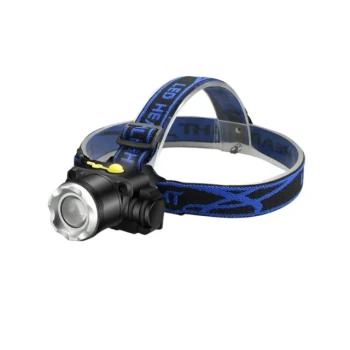
Field inspections can be hampered by poor lighting or weather conditions, which is why lenses with integrated LED illumination are preferred.
Technicians must balance the need for high magnification with a sufficient field of view to ensure they do not lose context while scanning a frame of bees.
How to Apply This to Your Inventory Strategy
The right optical tool depends on the specific operational scale and technical proficiency of the end-user.
- If your primary focus is rapid field screening: Stock high-magnification handheld lenses with integrated LEDs to provide technicians with a portable, all-in-one diagnostic solution.
- If your primary focus is commercial research and data accuracy: Prioritize high-precision electronic or industrial-grade magnifiers that allow for the differentiation of nymphs and debris.
- If your primary focus is providing a complete IPM kit: Ensure magnifying tools are bundled with uncapping needles and sampling containers to offer a comprehensive one-stop sourcing experience.
Equipping your clients with high-magnification tools transforms preliminary field inspections from guesswork into a precise, data-driven diagnostic process.
Summary Table:
| Application Stage | Key Benefit of Magnification | Essential Tool Feature |
|---|---|---|
| Adult Bee Inspection | Rapid on-site infestation rate calculation | High-resolution lens (10x+) |
| Capped Brood Cells | Detection of hidden nymphs and female mites | Integrated LED illumination |
| Species Differentiation | Distinguishing Varroa mites from bee-lice | Superior optical clarity |
| Hive Debris Analysis | Separating dead mites from wax and pollen | Portable, ergonomic design |
Partner with HONESTBEE for Professional-Grade Beekeeping Solutions
Elevate your product portfolio with HONESTBEE, your premier one-stop sourcing partner for commercial apiaries and B2B distributors. We offer a comprehensive full-spectrum product range—from high-precision diagnostic tools and honey-themed merchandise to specialized hardware like hive-making and honey-filling machinery.
Why Choose HONESTBEE?
- For Distributors & Wholesalers: Benefit from competitive profit margins, robust OEM/ODM support, and reliable industry certifications.
- Unmatched Service: Leverage our deep professional expertise, rapid response times, and ultra-fast delivery to fulfill orders efficiently during peak seasons.
- Complete Inventory: Access everything from essential consumables to heavy-duty beekeeping machinery in one place.
Ready to scale your business with a trusted industry leader? Contact us today to explore our wholesale offerings!
References
- Reyam J. Khadim, Abbas. K. Hamza. Molecular Detection of <i>Varroa</i> spp. Mite Infesting Honey Bees in Apiaries of Al-Diwaniyah Province, Iraq. DOI: 10.34172/ijmpes.6209
This article is also based on technical information from HonestBee Knowledge Base .
Related Products
- Heavy-Duty Ergonomic Grip Galvanized Pollen Shovel
- Solar Beeswax Melter Easy Solar Wax Melter for Beeswax
- HONESTBEE AC Powered Wire Embedder with Alligator Clips
- 5 Gallon Pail Opener Bucket Opener Tool for Honey Bucket
- Professional Dual Action Queen Excluder Scraper for Beekeeping
People Also Ask
- For what reasons do beekeepers collect bee pollen? Boost Hive Health and Unlock New Revenue Streams
- Why should commercial apiaries focus on the collection of diversified bee products? Maximize Your Hive’s Profit Potential
- How do bee pollen collection tools affect the quality of bee pollen used in functional dairy ice cream production?
- How does a specialized pollen collector facilitate the harvesting of diverse bee products? Automate High-Value Yields
- What is the impact of pollen collectors and associated equipment on the cost structure of pollen production? Maximize ROI