The primary role of a high-speed centrifuge in honey pretreatment is target concentration. By generating approximately 12,000 x g of centrifugal force, the device effectively precipitates pathogen cells, spores, and other insoluble components from a diluted honey solution. This mechanical separation isolates biological targets from the liquid matrix, creating a concentrated pellet suitable for downstream analysis.
Core Insight: Honey is a complex, voluminous matrix where pathogens often exist only in trace amounts. High-speed centrifugation bridges the gap between sample volume and detection limit; it compresses the biological content of a large sample into a high-density pellet, directly increasing DNA concentration and maximizing the sensitivity of diagnostic tests.
The Mechanics of Pathogen Enrichment
Overcoming the Honey Matrix
Honey is viscous and chemically complex. Before analysis can begin, the sample is typically diluted to reduce viscosity.
Even in a diluted state, bacteria and spores remain suspended. High-speed centrifugation applies massive force to overcome this suspension, driving solid biological matter to the bottom of the tube.
The Necessity of 12,000 x g
Standard filtration or low-speed spinning is often insufficient for microbial targets.
To effectively sediment small bacterial cells and hardy spores (such as those causing foulbrood), a force of approximately 12,000 x g is required. This specific threshold ensures that even lightweight biological particles are captured in the sediment.
Impact on Diagnostic Performance
Increasing DNA Yield
The ultimate goal of this pretreatment is often DNA extraction for PCR or sequencing.
By discarding the supernatant (the liquid top layer) and retaining the pellet, you effectively increase the number of target gene copies available for extraction. This step transforms a low-concentration sample into a high-concentration input.
Improving Sensitivity
Diagnostic instruments have a limit of detection (LOD).
If a pathogen is present at very low levels, direct testing of the honey might yield a false negative. Centrifugal concentration brings the sample above the LOD, ensuring that trace contamination is accurately flagged.
Distinguishing Applications and Trade-offs
Analytical vs. Industrial Centrifugation
It is critical not to confuse laboratory pretreatment with industrial processing.
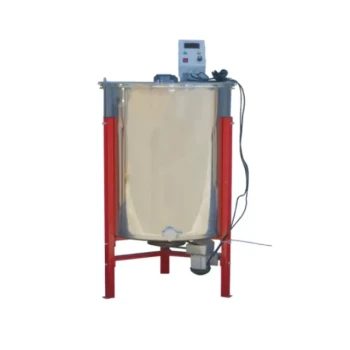
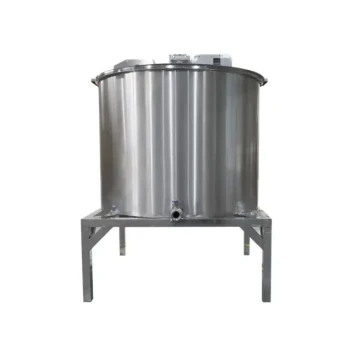
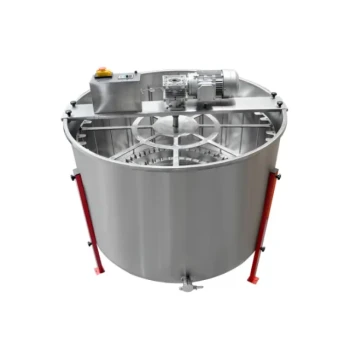
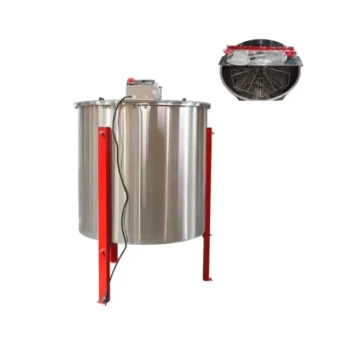
Industrial centrifuges are used to harvest honey from honeycomb frames using lower speeds to preserve physical structure and remove coarse debris like wax. In contrast, the high-speed centrifuge discussed here is a laboratory-grade instrument designed strictly for microbiological isolation, not bulk food processing.
The Limits of Centrifugation
While centrifugation concentrates solids, it does not remove chemical contaminants dissolved in the liquid.
For example, if you are testing for fungicides or soluble antibiotics, centrifugation alone is insufficient. Those workflows typically require high-speed vortexing and solvent extraction (emulsification) rather than sedimentation.
Making the Right Choice for Your Goal
When establishing your honey analysis protocol, ensure your equipment matches your specific target analyte.
- If your primary focus is Pathogen Detection (Bacteria/Spores): Prioritize a centrifuge capable of at least 12,000 x g to maximize the sedimentation of biological cells for DNA extraction.
- If your primary focus is Physical Purity (Harvesting): Use industrial-grade centrifuges with lower speeds to separate honey from the comb without destroying the frame structure.
- If your primary focus is Chemical Residue (Pesticides): Shift focus to high-shear vortex mixers that facilitate liquid-liquid extraction rather than solid-liquid separation.
Successful pathogen detection relies not just on the test itself, but on the mechanical concentration of the sample before the testing begins.
Summary Table:
| Feature | Laboratory Pretreatment | Industrial Processing |
|---|---|---|
| Primary Goal | Pathogen/Microbial Isolation | Honey Extraction/Debris Removal |
| Required Force | High Speed (~12,000 x g) | Low to Medium Speed |
| Sample State | Diluted Liquid Matrix | Bulk Raw Honey/Frames |
| Output | Concentrated Biological Pellet | Clarified Liquid Honey |
| Key Outcome | Increased DNA Yield for PCR | Improved Physical Purity |
Elevate Your Beekeeping Operation with HONESTBEE Professional Solutions
At HONESTBEE, we understand that maintaining a healthy, pathogen-free apiary is the foundation of a successful honey business. We cater to commercial apiaries and distributors by providing a comprehensive wholesale offering designed to streamline every stage of production—from the hive to the lab.
How we add value to your business:
- Advanced Machinery: Access specialized honey-filling and hive-making machines to scale your output.
- Comprehensive Equipment: From high-grade laboratory tools for sample analysis to heavy-duty beekeeping hardware.
- Industry Consumables: A reliable supply of essential consumables and honey-themed cultural merchandise to diversify your portfolio.
Whether you are looking to enhance your diagnostic capabilities or upgrade your industrial processing line, our experts are ready to assist. Contact HONESTBEE today to discuss your wholesale needs and discover how our integrated equipment solutions can grow your business.
References
- Mariko Okamoto, Daisuke Takamatsu. A novel multiplex PCR assay to detect and distinguish between different types of <i>Paenibacillus larvae</i> and <i>Melissococcus plutonius</i>, and a survey of foulbrood pathogen contamination in Japanese honey. DOI: 10.1292/jvms.21-0629
This article is also based on technical information from HonestBee Knowledge Base .
Related Products
- Manual Hand Crank 4 Frame Honey Extractor Centrifuge for Beekeeping
- Professional 4 Frame Self Reversing Electric Honey Extractor for Beekeeping
- electric honey extractor honey centrifuge 3 frame honey extractor stainless steel honey frame extractor
- High Quality Honey Dehumidifier Dryer Thickening Machine for Beekeeping
- Honey Concentrating and Filtering Dehumidifier Machine 2T Capacity for Honey
People Also Ask
- What are some tips for achieving efficient honey extraction with a centrifuge extractor? Maximize Your Yield & Efficiency
- What is the proper procedure for maintaining a centrifuge honey extractor? Expert Tips for Longevity and Hygiene
- What are the advantages of using a centrifuge honey extractor? Maximize Yields and Protect Your Honeycombs
- Which type of honey extractor is generally more durable? Focus on Material & Build Quality for Longevity
- What is a manual honey extractor? The Essential Guide to Cost-Effective Beekeeping for Beginners