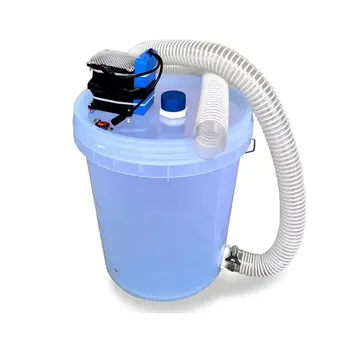
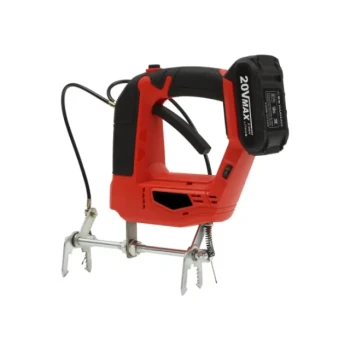
The primary role of a portable electric vacuum pump and suction hose is to surgically extract honey from the delicate, irregular pots of stingless bees with minimal physical disturbance. By piercing the sealed cerumen pots and applying controlled negative pressure, this equipment draws out honey directly without crushing the surrounding hive structure. This precise isolation is essential for preventing the introduction of external debris or hive materials that would compromise laboratory analysis.
The vacuum extraction method is superior to crushing or pressing because it creates a closed loop from the hive to the collection container. This ensures the honey sample retains its specific botanical signature without being contaminated by stored pollen (bee bread) or wax, which is a prerequisite for accurate palynological analysis.
The Mechanics of Precision Extraction
Navigating Complex Hive Architecture
Stingless bees do not store honey in uniform hexagonal combs, but rather in clusters of small, structurally complex cerumen pots.
A flexible suction hose allows the collector to maneuver through the hive's irregular interior. The operator can target and pierce specific pots individually, leaving the rest of the colony's structure intact.
Utilization of Negative Pressure
The electric pump generates negative pressure to extract the viscous liquid immediately upon piercing the pot.
This prevents honey from spilling onto the hive floor or mixing with other hive elements. It ensures that the harvested material comes strictly from the honey pot and nowhere else.
Critical Importance for Palynological Analysis
Preventing Pollen Contamination
Palynological analysis aims to identify the botanical origin of honey by examining its natural pollen content.
Crucially, this analysis can be skewed if the honey is contaminated by bee bread (stored pollen), which is often located near honey pots. Vacuum extraction prevents the crushing of pollen pots, ensuring the sample reflects only the nectar source, not the colony's protein stores.
Exclusion of Physical Impurities
To obtain accurate data, the sample must be free of wax debris and environmental dust.
The suction method minimizes the honey's exposure to the open air and the collector's hands. This maintains the sample's purity, ensuring that any particulate matter found during analysis is inherent to the honey, not an artifact of the harvesting process.
Operational Considerations and Trade-offs
Equipment Maintenance and Sterility
While the vacuum pump ensures high purity during extraction, the equipment itself can become a vector for contamination if not managed correctly.
The suction hose and pump reservoir must be rigorously cleaned between hives. Failure to do so leads to cross-contamination of samples, rendering distinct palynological profiles useless.
Power and Portability Constraints
Unlike manual extraction methods, electric pumps introduce a dependency on power sources.
Fieldwork in remote locations requires battery packs or generators. This adds logistical weight and complexity to the collection process compared to traditional, albeit less precise, manual methods.
Making the Right Choice for Your Goal
To ensure your data is valid for scientific study, align your extraction method with your analytical needs.
- If your primary focus is accurate botanical determination: Prioritize vacuum extraction to strictly isolate honey from bee bread and prevent false pollen profiles.
- If your primary focus is colony sustainability: Utilize the vacuum's non-destructive piercing capability to maintain colony productivity and structure for future sampling.
By isolating the extraction process, you secure the biological fidelity required for rigorous palynological study.
Summary Table:
| Feature | Impact on Palynological Analysis | Benefit to Stingless Bee Hive |
|---|---|---|
| Controlled Negative Pressure | Prevents honey spillage and mixing with external contaminants. | Minimizes stress and mess within the colony. |
| Flexible Suction Hose | Enables targeting of individual cerumen pots without crushing nearby pollen stores. | Preserves the delicate, irregular hive architecture. |
| Closed-Loop System | Eliminates exposure to air, dust, and human contact. | Maintains high hygiene standards for the colony. |
| Non-Destructive Piercing | Ensures the pollen profile reflects only the nectar source, not stored bee bread. | Allows the colony to quickly repair pots and resume storage. |
Elevate Your Beekeeping Operation with HONESTBEE
At HONESTBEE, we understand that precision is the difference between a successful harvest and a compromised sample. Whether you are a commercial apiary scaling production or a distributor seeking high-quality gear, we provide the specialized equipment you need to succeed.
Our value to your business:
- Comprehensive Wholesale Range: From industrial honey-filling machines to precision vacuum extraction tools.
- Specialized Hardware: Robust hive-making machinery and beekeeping consumables designed for efficiency.
- Tailored Solutions: We cater to the specific needs of large-scale operations and global distributors.
Ready to enhance your efficiency and product purity? Contact us today to discuss your wholesale requirements!
References
- Tiara Sayusti, Hermann Behling. Melissopalynological Analysis Revealed a Higher Pollen Diversity in Stingless Bees than in Honey Bees. DOI: 10.4308/hjb.33.1.196-203
This article is also based on technical information from HonestBee Knowledge Base .
Related Products
- Portable Electric Bee Vacuum with Lithium Battery and 20L Collection Bucket
- Full Set Beekeeping Electronic Bee Venom Collector Machine Device for Bee Venom Collecting
- High Performance Cordless Electric Bee Shaker for Beekeeping
- electric honey extractor honey centrifuge 3 frame honey extractor stainless steel honey frame extractor
- Commercial Grade Vertical Electric Bee Sweeper for Bee Removal
People Also Ask
- What are the advantages of using portable bee vacuums for sampling honey bees? Optimize Nosema Detection Efficiency
- Who is qualified to use a bee vacuum? Essential Safety and Experience Requirements for Effective Bee Relocation
- What potential problems can occur when using a bee vacuum? Prevent Colony Mortality and Ensure Safe Bee Removal
- What are the benefits of using a bee vacuum? Safely Remove & Preserve Honey Bee Colonies
- Why do people use bee vacuums? A Humane Solution for Live Bee Removal