Improper use of a bee vacuum can lead to high mortality rates within the colony. The most significant risks involve physical trauma from high-velocity impact, suffocation from liquid honey, and rapid overheating due to inadequate ventilation in the collection chamber.
While bee vacuums provide necessary access to hard-to-reach colonies, they are mechanical devices that lack the delicacy of hand removal. Without precise pressure regulation and proper containment design, the vacuuming process can easily transition from a rescue operation to a lethal event for the bees.
The Mechanics of Injury
Impact Trauma from Suction
The most immediate danger to the bees is excessive suction power.
If the vacuum pressure is too high, bees are pulled through the hose at dangerous velocities. Upon entering the collection container, they strike the walls with significant force.
This impact frequently results in broken wings, crippling the bees, or immediate death due to blunt force trauma.
Suffocation via Liquid Honey
A hive containing significant amounts of liquid honey poses a severe biological hazard during vacuum extraction.
As the vacuum disrupts the comb, honey is aerosolized or smeared onto the bees. This sticky substance coats their bodies and blocks their breathing holes (spiracles).
This leads to a high mortality rate through suffocation, regardless of how gentle the suction might be.
Thermal Failure and Overheating
A critical, often overlooked design flaw involves inadequate ventilation within the collection container.
Bees generate significant heat, especially when stressed. Once the vacuum is turned off and the airflow stops, the temperature inside a poorly ventilated container spikes rapidly.
This causes the captured colony to overheat and die within a short period after capture.
Understanding the Trade-offs
The DIY Risk Factor
Many of these issues are particularly prevalent in DIY bee vacuums.
Homemade devices often rely on standard shop vacuums that lack fine-tuned pressure regulators or bypass valves.
Without the ability to precisely control the suction, the operator cannot adjust for the delicate nature of the bees, leading to the trauma described above.
Efficiency vs. Mortality
The bee vacuum is designed for efficiency and access, allowing removal from recesses, chimneys, or high branches where manual removal is impossible.
However, this efficiency comes at the cost of tactile feedback. Unlike manual removal, you cannot feel if you are crushing a bee or if a comb is leaking honey until the damage is done.
Making the Right Choice for Your Goal
To ensure the safety of the colony, you must mitigate the mechanical risks inherent in the device.
- If your primary focus is minimizing physical injury: Regulate the suction to the absolute minimum required to move the bees, preventing high-velocity impact against container walls.
- If your primary focus is preventing suffocation: Avoid vacuuming areas with open nectar or honey; remove these combs manually or exclude them to prevent blocking the bees' breathing holes.
- If your primary focus is transport safety: Ensure the collection container has extensive passive ventilation to prevent overheating once the active airflow of the vacuum is disabled.
Precision and moderation are the only safeguards against the lethal force of a vacuum.
Summary Table:
| Potential Risk | Primary Cause | Impact on Bees |
|---|---|---|
| Impact Trauma | Excessive suction/High velocity | Broken wings, blunt force trauma, and immediate death. |
| Suffocation | Aerosolized liquid honey | Honey blocks breathing holes (spiracles), leading to asphyxiation. |
| Overheating | Lack of ventilation in container | Rapid temperature spikes from stress leads to thermal failure. |
| Mechanical Failure | DIY/Unregulated equipment | Lack of pressure control increases physical injury rates. |
Maximize Your Colony Survival Rate with Professional Gear
At HONESTBEE, we understand that for commercial apiaries and distributors, the health of the colony is paramount. Standard vacuuming methods can be lethal, but the right equipment makes all the difference.
We provide a comprehensive range of professional beekeeping machinery, specialized tools, and essential consumables designed to prioritize bee safety and operational efficiency. Whether you need precise honey-filling machines or high-quality hardware to scale your wholesale business, our team is here to support your growth.
Ready to upgrade your beekeeping operations? Contact us today to explore our wholesale solutions and discover how HONESTBEE can deliver the value and reliability your business deserves.
Related Products
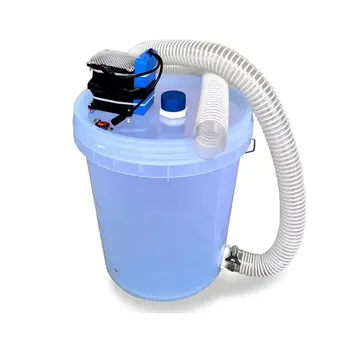
- Portable Electric Bee Vacuum with Lithium Battery and 20L Collection Bucket
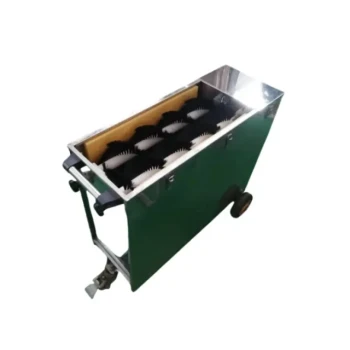
- Commercial Grade Vertical Electric Bee Sweeper for Bee Removal
- High-Efficiency Pneumatic Bee Hive Making Machine for Rapid Box Assembly
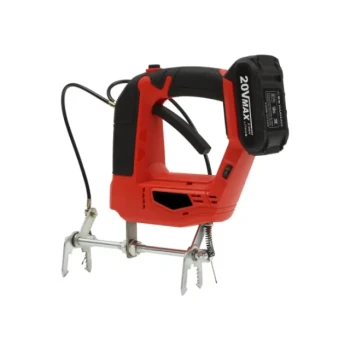
- High Performance Cordless Electric Bee Shaker for Beekeeping
- Full Set Beekeeping Electronic Bee Venom Collector Machine Device for Bee Venom Collecting
People Also Ask
- What are the advantages of using portable bee vacuums for sampling honey bees? Optimize Nosema Detection Efficiency
- Who is qualified to use a bee vacuum? Essential Safety and Experience Requirements for Effective Bee Relocation
- What are the benefits of using a bee vacuum? Safely Remove & Preserve Honey Bee Colonies
- Why do people use bee vacuums? A Humane Solution for Live Bee Removal
- What factors can increase bee mortality when using a bee vacuum? Mastering Safe Bee Removal Techniques