For safety reasons, only individuals experienced in working with bees are qualified to use a bee vacuum. Although honeybees are often docile, the vacuuming process can be perceived as a direct threat to the colony and the queen, triggering immediate defensive behavior that requires expert handling.
A bee vacuum is a precise tool for relocation, not a household cleaning device. Successful operation requires a deep understanding of bee behavior to manage defensive surges and prevent accidentally killing the colony during transfer.
The Critical Role of Experience
The primary requirement for operating a bee vacuum is not technical skill with machinery, but rather biological knowledge of the hive.
Anticipating Defensive Behavior
When a vacuum is introduced to a hive, the colony often perceives it as a predator. Even normally calm bees may try to attack to protect their queen.
Interpreting Colony Stress
An experienced beekeeper can recognize the auditory and visual cues of a colony under distress. They can adjust their approach immediately to de-escalate the situation, ensuring the safety of both the operator and the bees.
Technical Risks and Mortality Factors
A bee vacuum is not simply a vacuum cleaner with a box attached; it is a life-support transfer system. Without expert calibration, the equipment becomes lethal.
The Danger of Excessive Suction
If the suction is too powerful, bees are pulled into the collection container with excessive force. This impact against the container walls frequently results in broken wings or immediate death.
Ventilation and Overheating
Once the vacuum is turned off, the danger is not over. Inadequate ventilation in the collection container causes rapid overheating, which can kill the captured bees quickly.
The Hazard of Liquid Honey
Vacuuming a hive containing significant amounts of liquid honey creates a specific biological hazard. The honey can coat the bees, blocking their breathing holes (spiracles) and leading to mass suffocation.
Understanding the Trade-offs
Using a bee vacuum offers high efficiency for removing colonies from difficult locations like chimneys or high branches, but it comes with distinct risks that must be managed.
Commercial vs. DIY Equipment
Commercial models are purpose-built and tested to ensure humane removal. While DIY versions are possible, they often lack safety testing, leading to suction levels that harm the bees.
Efficiency vs. Gentle Handling
The vacuum is the most efficient method for consistent collection, but it is more aggressive than manual frame removal. The trade-off is speed versus the stress placed on the colony.
The Ethical Standard of Use
Conservation, Not Extermination
The sole purpose of a bee vacuum is the safe transfer of a colony from one location to another. It should never be used as a tool for extermination or to discard bees.
Assessment of Location
Professionals use vacuums specifically for hard-to-reach recesses where traditional removal is impossible. If the hive is accessible by hand, a vacuum may not be the primary tool of choice.
Making the Right Choice for Your Goal
If you are considering using a bee vacuum, align your decision with your level of expertise and your ultimate objective.
- If your primary focus is removing bees from your property: Do not attempt this yourself; hire a professional beekeeper who has the protective gear and experience to manage a defensive colony.
- If your primary focus is building your own equipment: You must rigorously test the suction power on non-living objects first to ensure it is gentle enough to avoid harming the bees.
- If your primary focus is acquiring a reliable tool: Invest in a purpose-built commercial model from a trusted supplier to minimize the risk of overheating or impact damage.
The bee vacuum is a powerful conservation tool, but it is only as safe as the hands holding it.
Summary Table:
| Factor | Professional Qualification Requirement | Risk of Inexperienced Use |
|---|---|---|
| Biological Knowledge | Deep understanding of colony stress & defensive behavior | Triggering aggressive attacks and queen loss |
| Suction Calibration | Precise adjustment to prevent physical impact | Broken wings and high bee mortality |
| Temperature Control | Managing ventilation to prevent heat spikes | Rapid colony death due to overheating |
| Equipment Type | Use of purpose-built commercial vacuum systems | DIY tools lack safety testing and suction regulation |
| Ethical Standards | Focus on conservation and live relocation | Accidental extermination or suffocation |
Elevate Your Beekeeping Operation with HONESTBEE
For commercial apiaries and distributors, providing the right tools is the difference between successful conservation and colony loss. HONESTBEE specializes in a comprehensive wholesale range of professional beekeeping machinery and equipment designed for the highest industry standards. From specialized hive-making and honey-filling machines to essential consumables and cultural merchandise, we provide everything your business needs to support professional beekeepers.
Ready to scale your inventory with premium beekeeping technology? Contact us today to explore our wholesale solutions and see how HONESTBEE can deliver value to your professional clientele.
Related Products
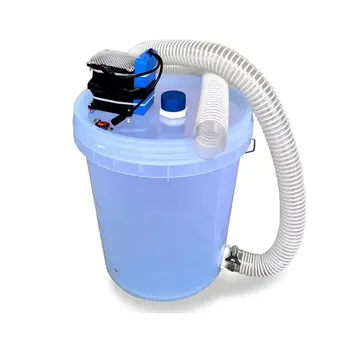
- Portable Electric Bee Vacuum with Lithium Battery and 20L Collection Bucket
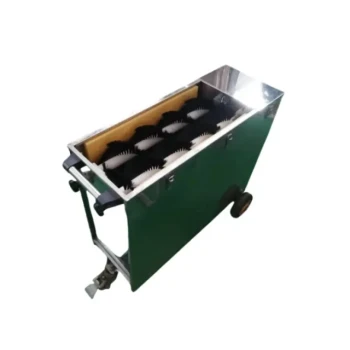
- Commercial Grade Vertical Electric Bee Sweeper for Bee Removal
- High-Efficiency Pneumatic Bee Hive Making Machine for Rapid Box Assembly
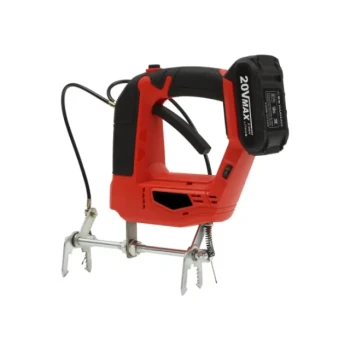
- High Performance Cordless Electric Bee Shaker for Beekeeping
- Full Set Beekeeping Electronic Bee Venom Collector Machine Device for Bee Venom Collecting
People Also Ask
- What are the advantages of using portable bee vacuums for sampling honey bees? Optimize Nosema Detection Efficiency
- What potential problems can occur when using a bee vacuum? Prevent Colony Mortality and Ensure Safe Bee Removal
- What are the benefits of using a bee vacuum? Safely Remove & Preserve Honey Bee Colonies
- Why do people use bee vacuums? A Humane Solution for Live Bee Removal
- What factors can increase bee mortality when using a bee vacuum? Mastering Safe Bee Removal Techniques