Boiling water blanching acts as the critical stabilization phase in the processing of drone pupae, functioning simultaneously as a lethal step and a preservation method. Its primary technical role is to inactivate endogenous enzymes—specifically polyphenol oxidase, lactase, and peroxidase—to inhibit browning reactions, while also rapidly killing the insect and significantly reducing the microbial load for safety.
This thermal treatment is not merely about cooking; it is a precise biological arrest mechanism. By neutralizing enzymatic activity and reducing surface bacteria, blanching secures the visual and sanitary integrity of the pupae before they undergo further industrial processing.
The Biological and Chemical Impact
Inactivation of Endogenous Enzymes
The most immediate chemical goal of blanching is to halt enzymatic deterioration.
Drone pupae contain enzymes such as polyphenol oxidase, lactase, and peroxidase. Without thermal inactivation, these enzymes catalyze reactions that lead to rapid browning and nutrient loss, compromising the final product's quality.
Preliminary Sterilization
Blanching provides a vital sanitary baseline for food safety.
The high-temperature application acts as a pre-treatment that effectively kills surface microorganisms. This reduction in the initial microbial count ensures the biomass complies with international food hygiene standards prior to subsequent steps.
Rapid Mortality
From an ethical and processing standpoint, blanching serves as the method of termination.
The process rapidly kills individual insects through thermal shock. This ensures that biological processes cease immediately, preparing the raw material for consistent handling.
Operational Criticality and Trade-offs
Prevention of Nutrient Loss
Beyond color preservation, enzyme inactivation protects the nutritional profile of the pupae.
By stopping internal biological activity, the process locks in nutrients that would otherwise degrade during downstream processing. This is essential for maintaining the physicochemical stability of the product.
The Risk of Residual Heat
While heat is necessary for enzyme inactivation, prolonged exposure is detrimental.
If the pupae retain heat after blanching, "carry-over cooking" occurs. This residual heat can lead to unwanted protein denaturation and tissue softening, resulting in a mushy texture.
The Necessity of Thermal Arrest
To mitigate the risks of overheating, the heating phase must be immediately followed by rapid cooling.
Submerging the blanched pupae in a 4 °C water bath is essential to interrupt heat transfer instantly. This step preserves the sensory quality and structural integrity of the protein.
Making the Right Choice for Your Goal
To maximize the value of drone pupae biomass, your processing parameters must balance sterilization with texture preservation.
- If your primary focus is Visual Quality and Shelf Life: Ensure the blanching duration is sufficient to fully inactivate polyphenol oxidase to prevent browning during storage.
- If your primary focus is Texture and Protein Integrity: Prioritize the immediate transfer of biomass to a 4 °C cooling bath to prevent tissue softening and denaturation.
Mastering the transition from high-heat blanching to rapid cooling is the defining factor in producing commercial-grade drone pupae products.
Summary Table:
| Function | Primary Mechanism | Impact on Quality |
|---|---|---|
| Enzyme Inactivation | Neutralizes polyphenol oxidase & peroxidase | Prevents browning and nutrient loss |
| Microbial Control | High-temperature thermal shock | Reduces microbial load for food safety |
| Biological Arrest | Rapid lethal thermal step | Ensures consistent raw material handling |
| Texture Preservation | Rapid cooling (4 °C) post-blanching | Prevents protein denaturation and softening |
Elevate Your Beekeeping Operation with HONESTBEE
At HONESTBEE, we understand the technical precision required for high-value apiculture products. As a premier provider for commercial apiaries and distributors, we offer more than just equipment—we provide the tools for industry-leading processing.
From advanced honey-filling and hive-making machinery to a comprehensive range of beekeeping tools and consumables, we support your business at every scale. Whether you are expanding your wholesale portfolio or refining your drone pupae processing line, our expertise ensures your success.
Ready to scale your production? Contact us today to discover how our professional beekeeping solutions can optimize your workflow and product quality.
References
- Seung-Hee Baek, In Sik Nam. Optimization of the Heat-Drying Conditions of Drone Pupae by Response Surface Methodology (RSM). DOI: 10.3390/foods12163062
This article is also based on technical information from HonestBee Knowledge Base .
Related Products
- Honey Bee Lifecycle Model: A Detailed Honeycomb Display of Bee Development
- Heavy-Duty Ergonomic Grip Galvanized Pollen Shovel
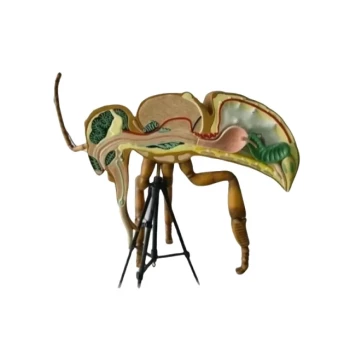
- HONESTBEE Anatomy Bee Model Detailed Anatomical Display for Education and Study
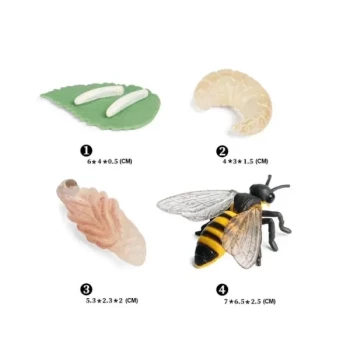
- Honey Bee Life Cycle Model 4 Stage Educational Set for Kids Learning
- Professional Dual Action Queen Excluder Scraper for Beekeeping
People Also Ask
- Are honey bees good to have around? The Essential Role and Ecological Impact of Bees
- Why does standardized equipment lower honey bee winter loss? Master Large-Scale Beekeeping Success
- Do honey bees leave their hives? Understanding the Critical Role of Swarming
- What activities require a lot of energy for honey bees? Understanding the Colony's Energy Budget
- How do honey bees develop from egg to adult? The Complete 4-Stage Metamorphosis Guide